
Who Are You In The Dark?
The Road to Darkness
This weekend, a friend of mine introduced me to their spiritual practice.
It all started with a road trip up to Shelburne Falls, Massachusetts. A teeny tiny town, the kind that feels almost suspended in time, surrounded by sacred Buddhist retreat spaces tucked quietly into the landscape.
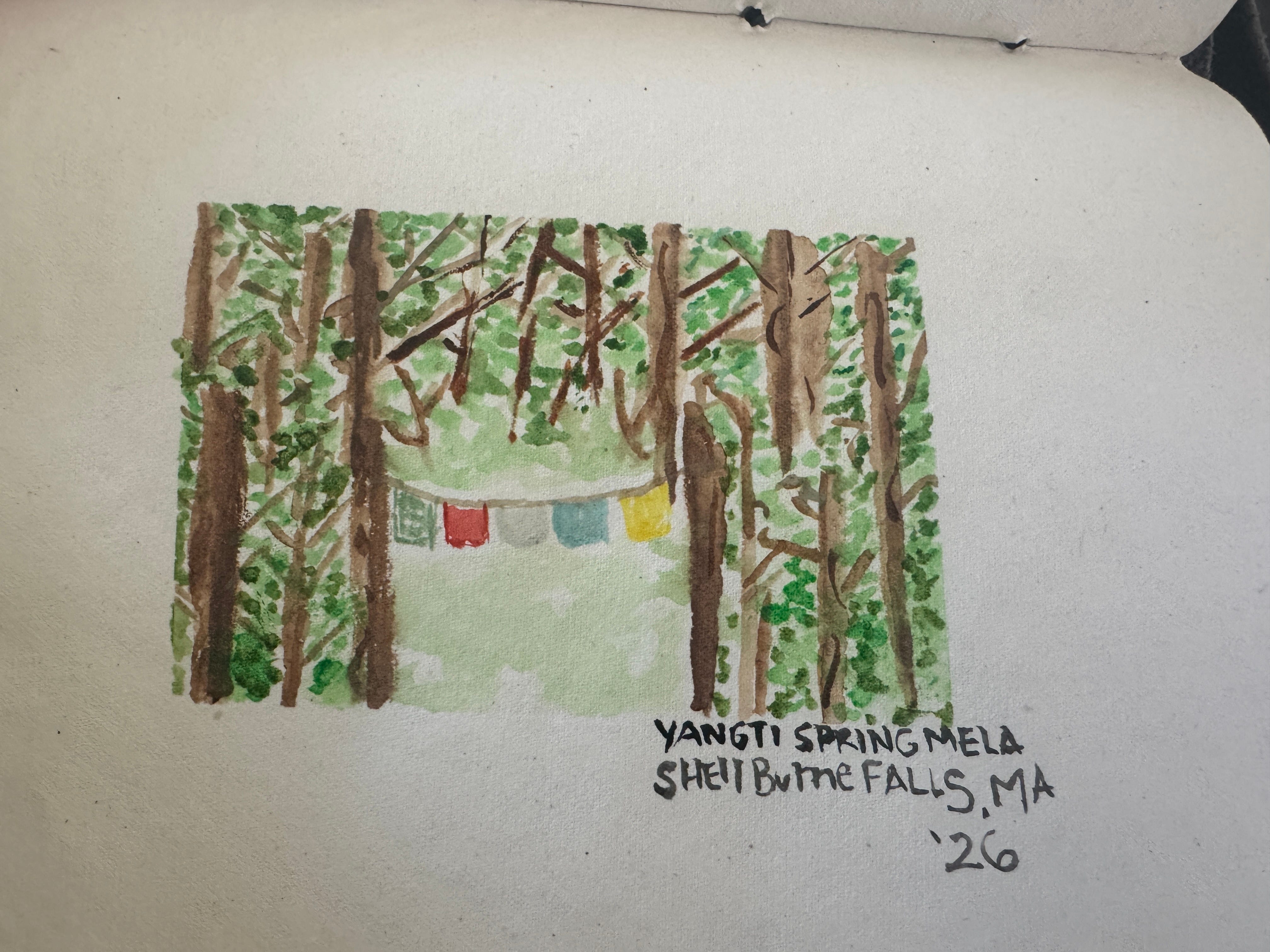
Their lama, the teacher they practice under, is currently building out a retreat center there specializing in dark retreats.
Now, if you’re not familiar, a dark retreat is exactly what it sounds like.
Three, seven, or forty-nine straight days in complete and total darkness.
No light leaks. No candles. No accidental glow from under a door.
Just… darkness.
This particular teacher had just come out of a forty-nine day one.
I know what you’re all thinking.
That’s wild.
And honestly?
Same.
For someone whose literal job is to see, to notice, to obsess over interiors, materials, atmosphere, and the emotional impact of space… this felt borderline bonkers.
Sight and light, for me, are so much of the point.
They’re not just part of the experience.
They often are the experience.
So naturally, I was intrigued.
What would it feel like to completely lose my sense of sight?
To be totally in the dark?
The Practice
I spent a lot of the weekend listening to the ideology behind the Buddhist teachings.
Some of it, if I’m being honest, was a little hard to follow.
Certain concepts felt so expansive they almost slipped through my brain before I could fully hold onto them.
But other parts?
They made perfect sense.
The ideas around mind. Attachment. Awareness. Perception.
Those landed.
And then came the practice.
We split into groups of eight and were led into a completely dark space for thirty minutes.
No light.
No visual reference.
No clue what anyone else was doing.
Just darkness.
And almost immediately, my sense of certainty started to dissolve.
It became strangely hard to tell if I was awake or asleep.
If my eyes were open or closed.
If I was deeply meditating… dreaming… or honestly, mildly hallucinating 🤷🏻♀️
Without sight, the usual markers disappeared.
Time felt strange.
My mind felt louder.
Then quieter.
Then louder again.
And weirdly…
It was comforting.
Not in an obvious way.
But in the way that happens when there’s suddenly nothing external asking anything of you.
No performance.
No visual noise.
No pressure to observe, interpret, or aesthetically process.
For maybe the first time in a long time, there was nothing to look at.
And because of that, nothing pulling me outside of myself.
What I expected to feel was fear, or at the very least discomfort.
What I actually felt was held.
Mind as Light
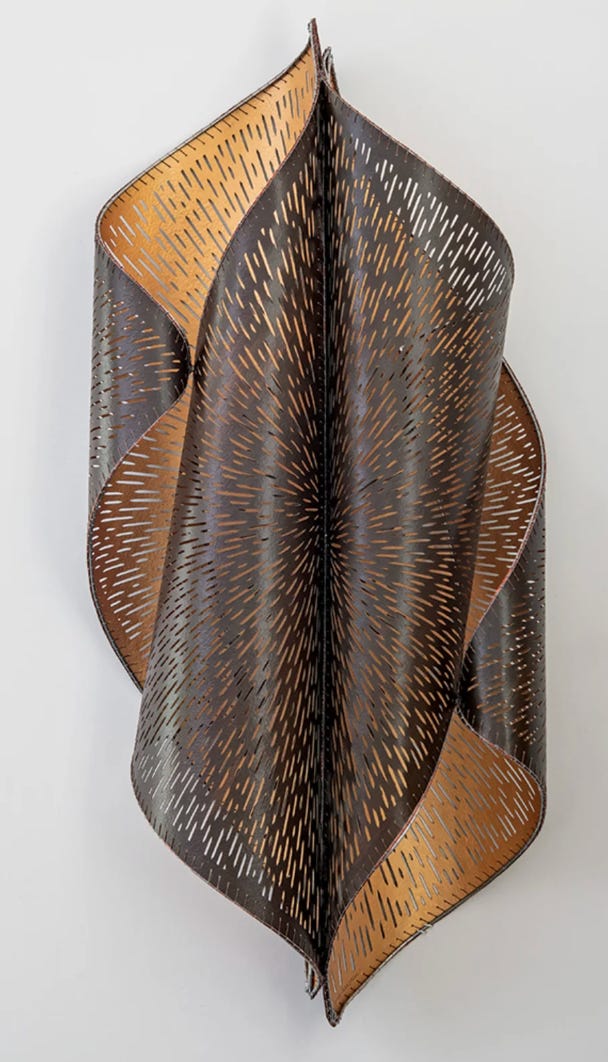
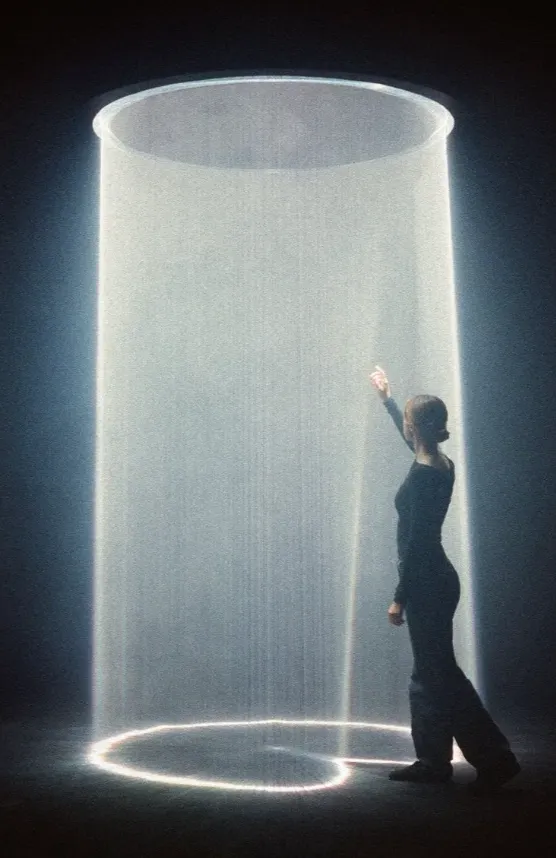
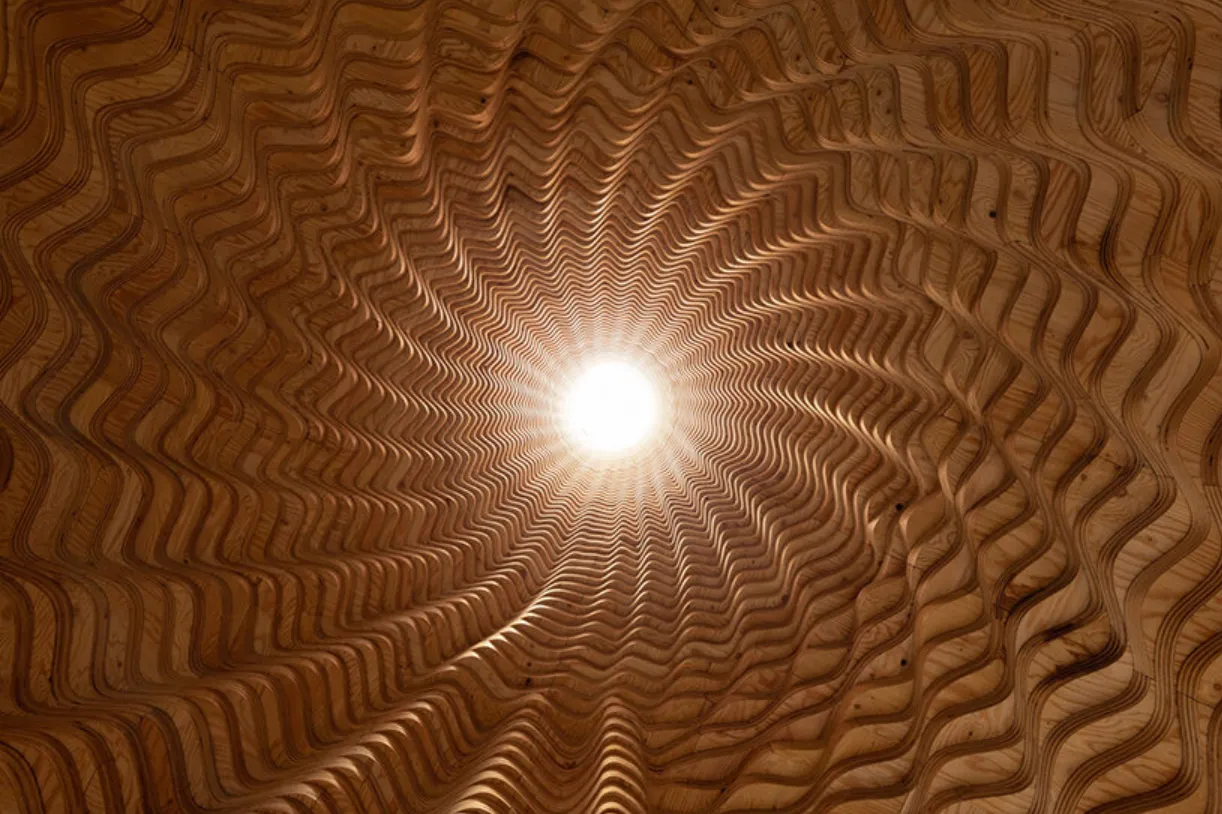
At one point, I swear, I saw the entire room flood with white light.
Not metaphorically.
Like… genuinely.
It startled me.
For a second, I thought maybe someone had opened a door. Or light had leaked in somehow.
But nothing had changed.
The room was still dark.
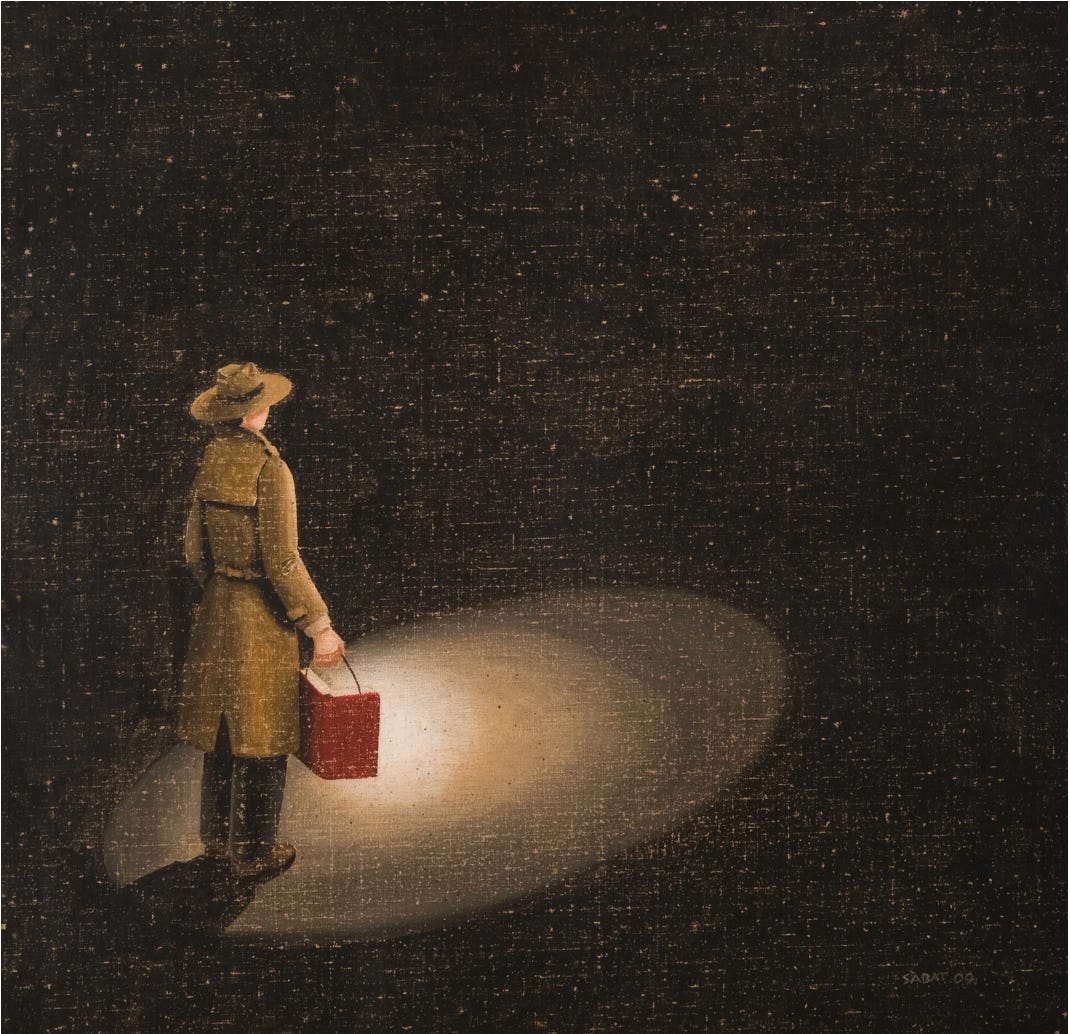
And then I remembered a conversation I’d had earlier with another retreat participant, who casually mentioned that during his three-day dark retreat, he visualized himself in a grotto the entire time.
At the time, I mentally filed that under: fascinating, but surely not me.
And yet… there I was.
Flooded in white light.
It was one of the first moments I really understood that when external sight is removed, the mind doesn’t just go blank.
It creates.
Images.
Sensations.
Entire environments.
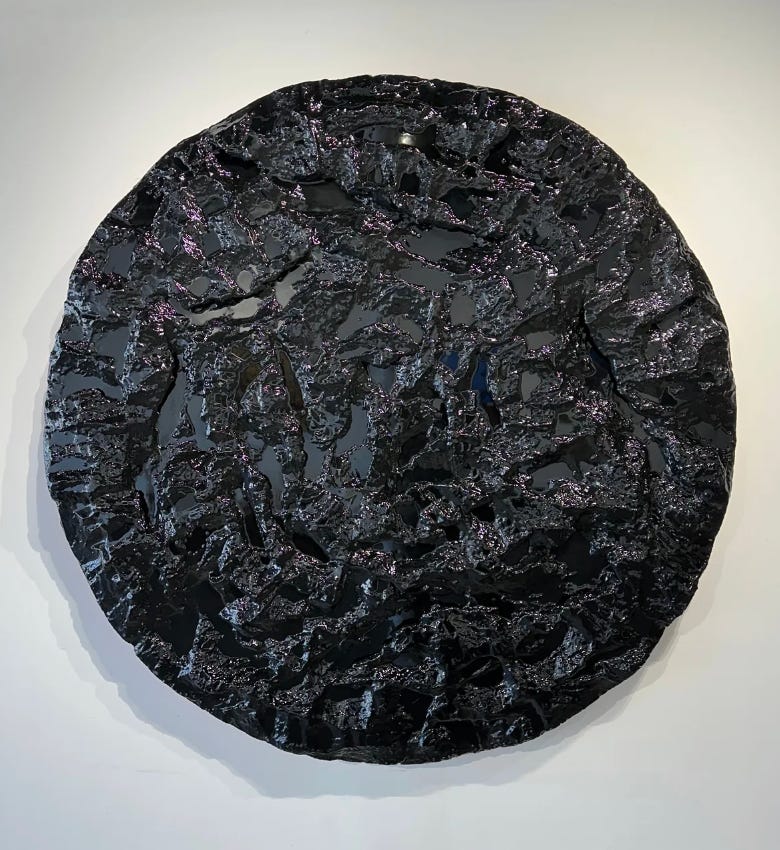
Even in darkness, the mind keeps making meaning.
And weirdly…
That didn’t feel chaotic.
It felt expansive.
Returning to Light
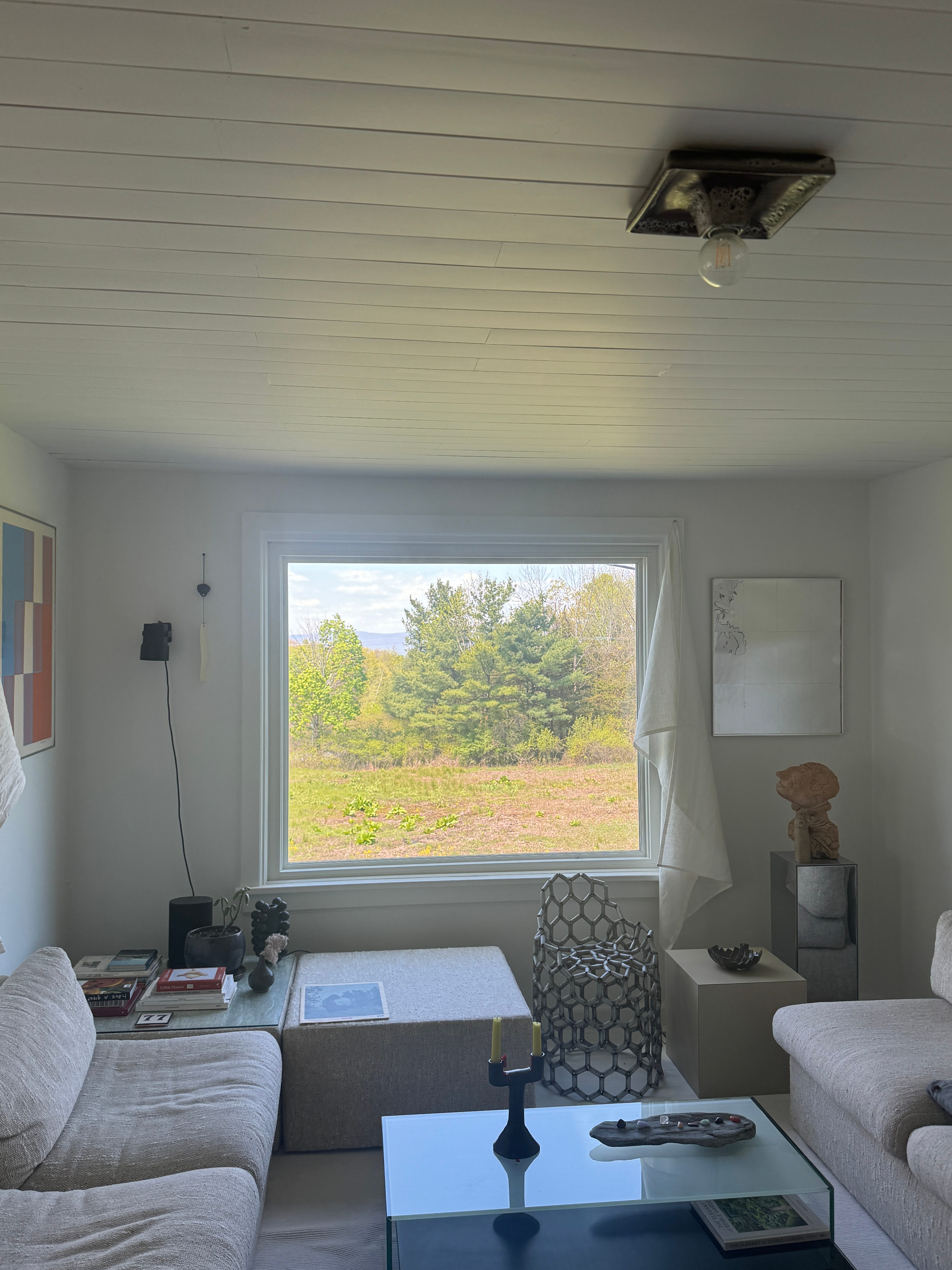
After the retreat, to break up the drive home, we stopped at the house I’m renting for the summer in Elizaville.
And maybe it was the darkness.
Or maybe it was the contrast of going from total sensory deprivation back into a thoughtfully designed space.
But I don’t think I’ve ever noticed it quite like that before.
I walked in differently.
More aware.
More sensitive.
More appreciative.
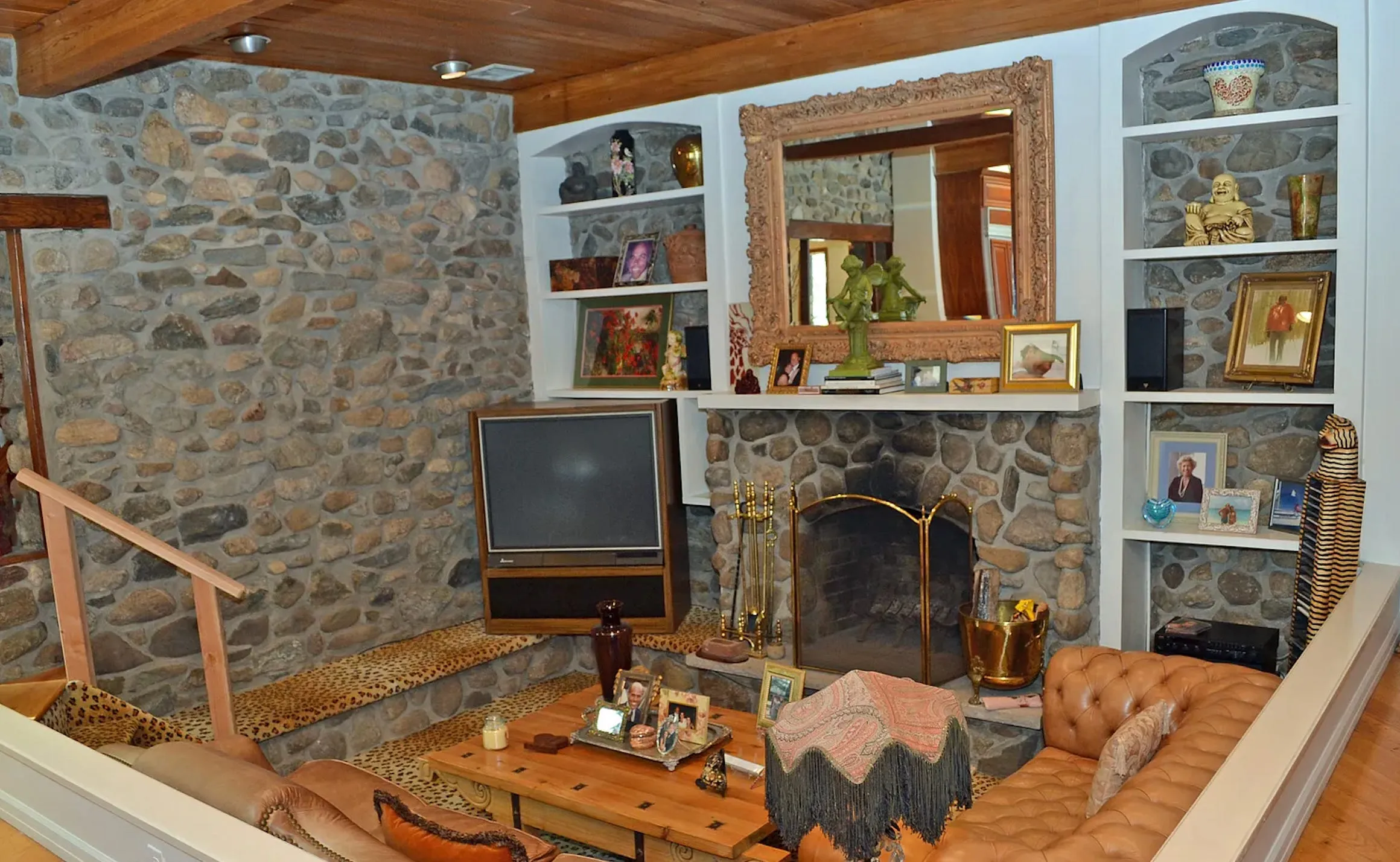
The house is decorated perfectly.
A kind of midcentury modern minimalism, but softened.
Nothing overly precious. Nothing trying too hard.
Just really, really well considered.
And it wasn’t the big things that got me.
Not the furniture layout or even the architecture, though both are beautiful.
It was the smallest details.
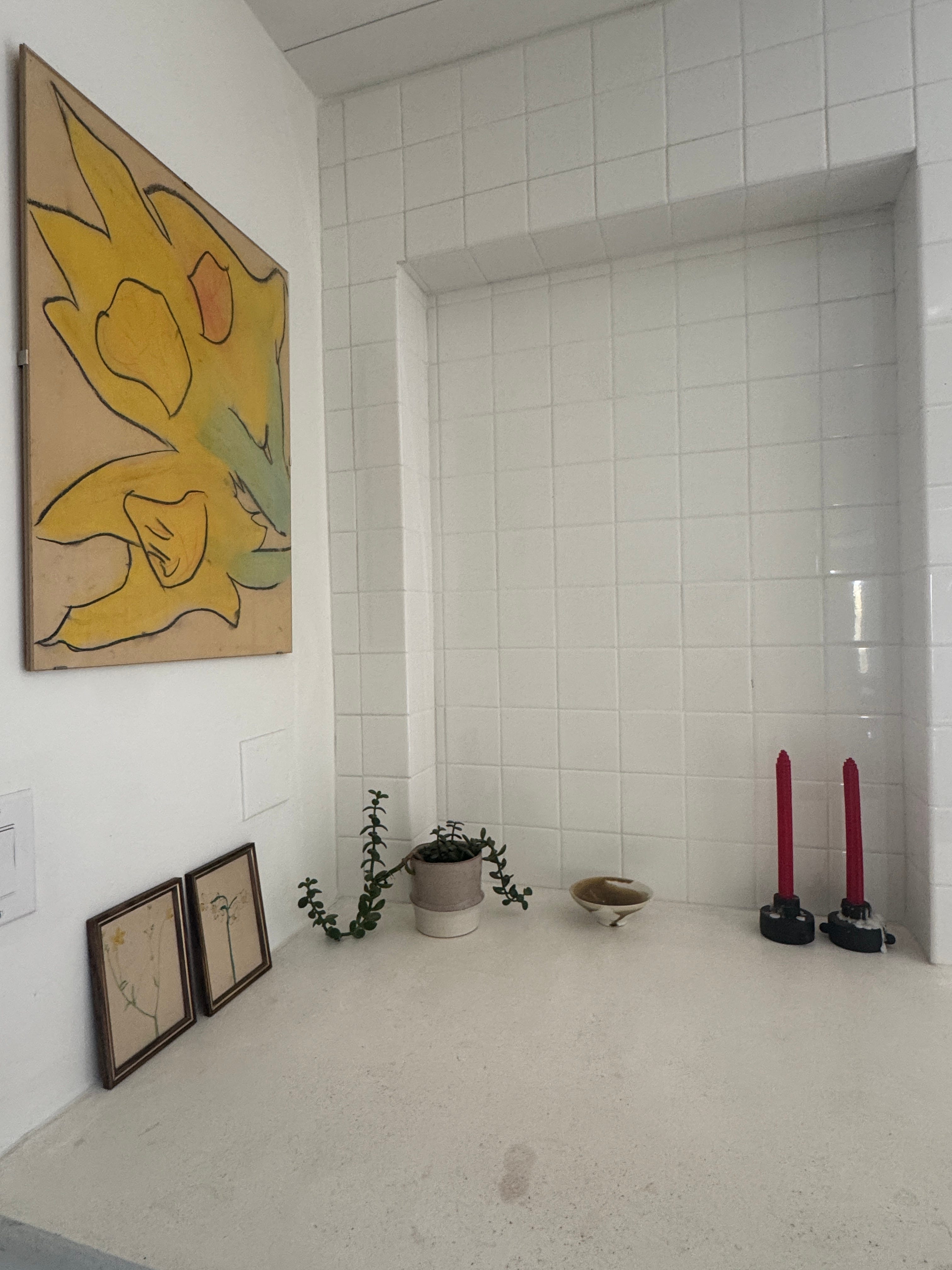
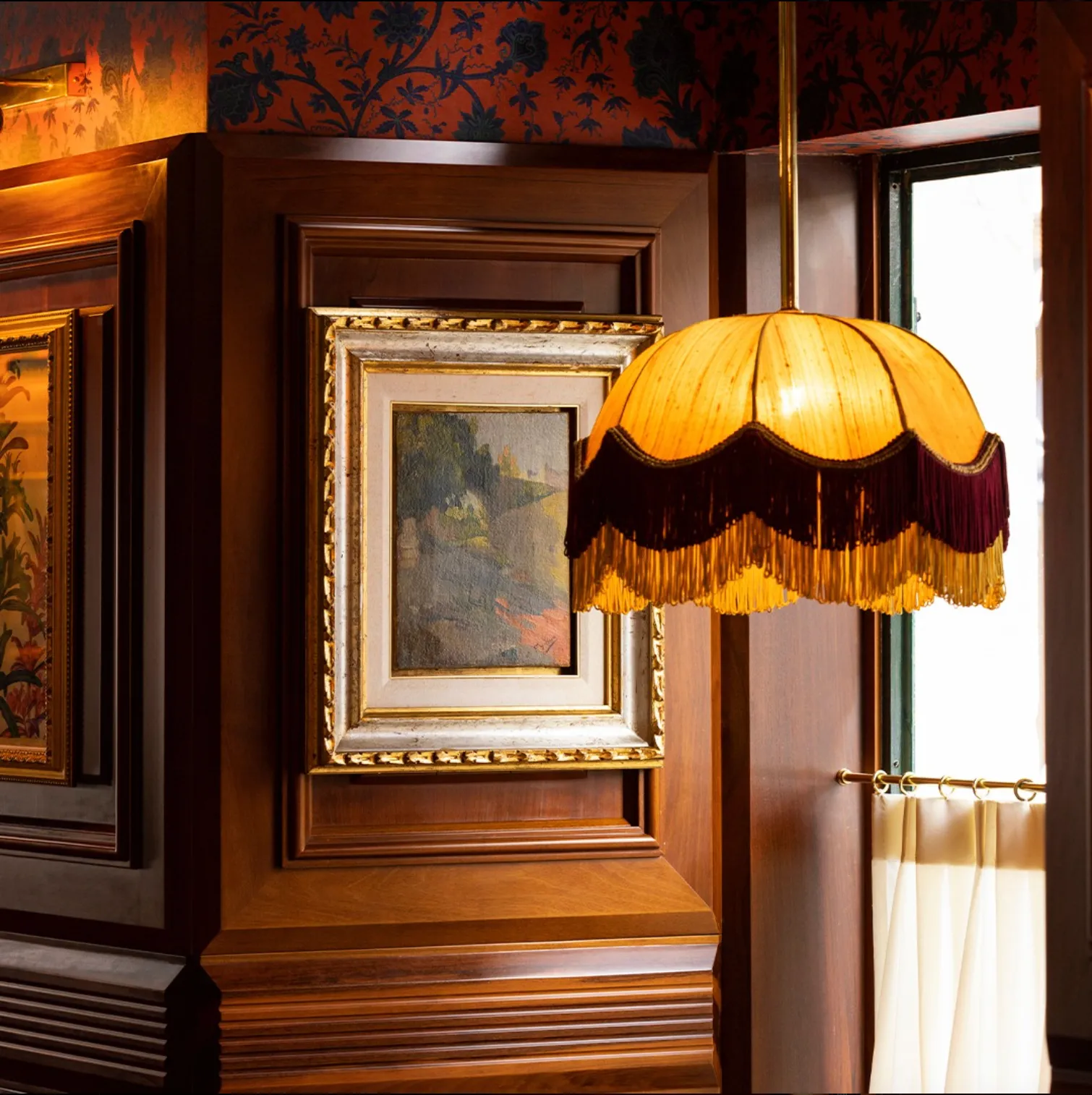
The way a lamp cast light into a corner.
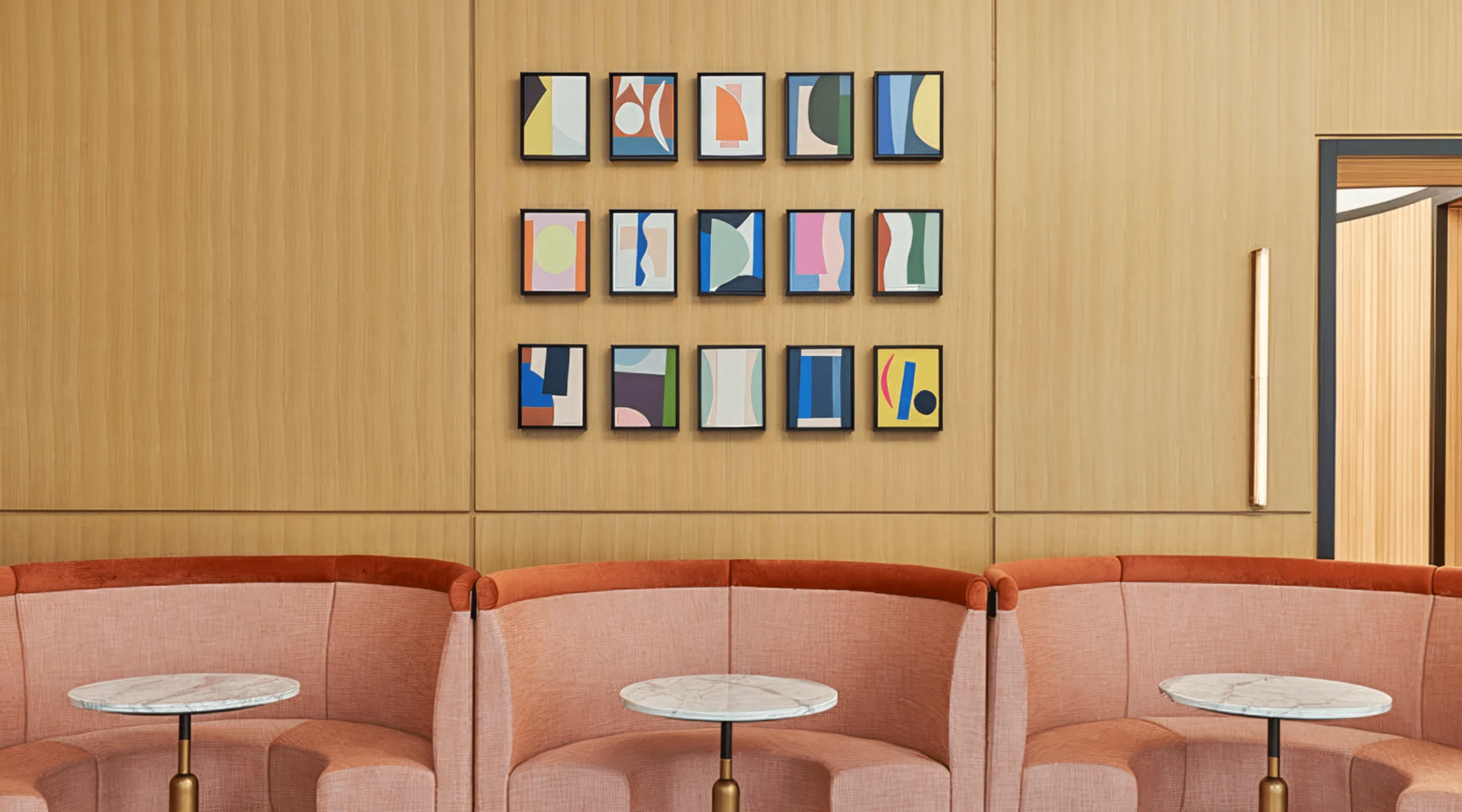
The curve of a chair.
The exact placement of an object on a shelf.
The quiet restraint of things that didn’t need to announce themselves to be felt.
Everything felt amplified.
Not in volume.
In presence.
Like the dark retreat had somehow recalibrated my sensitivity.
After spending time in complete darkness, where the mind was left to generate its own imagery, returning to a home where someone had carefully chosen what would be seen felt almost emotional.
Every small detail felt more intentional.
More generous.
It made me realize how quickly beauty can become background noise when we’re overstimulated.
How often even the most thoughtful design goes underappreciated simply because we’re consuming too much, too fast.
But after darkness?
Light feels different.
Objects feel different.
Design feels different.
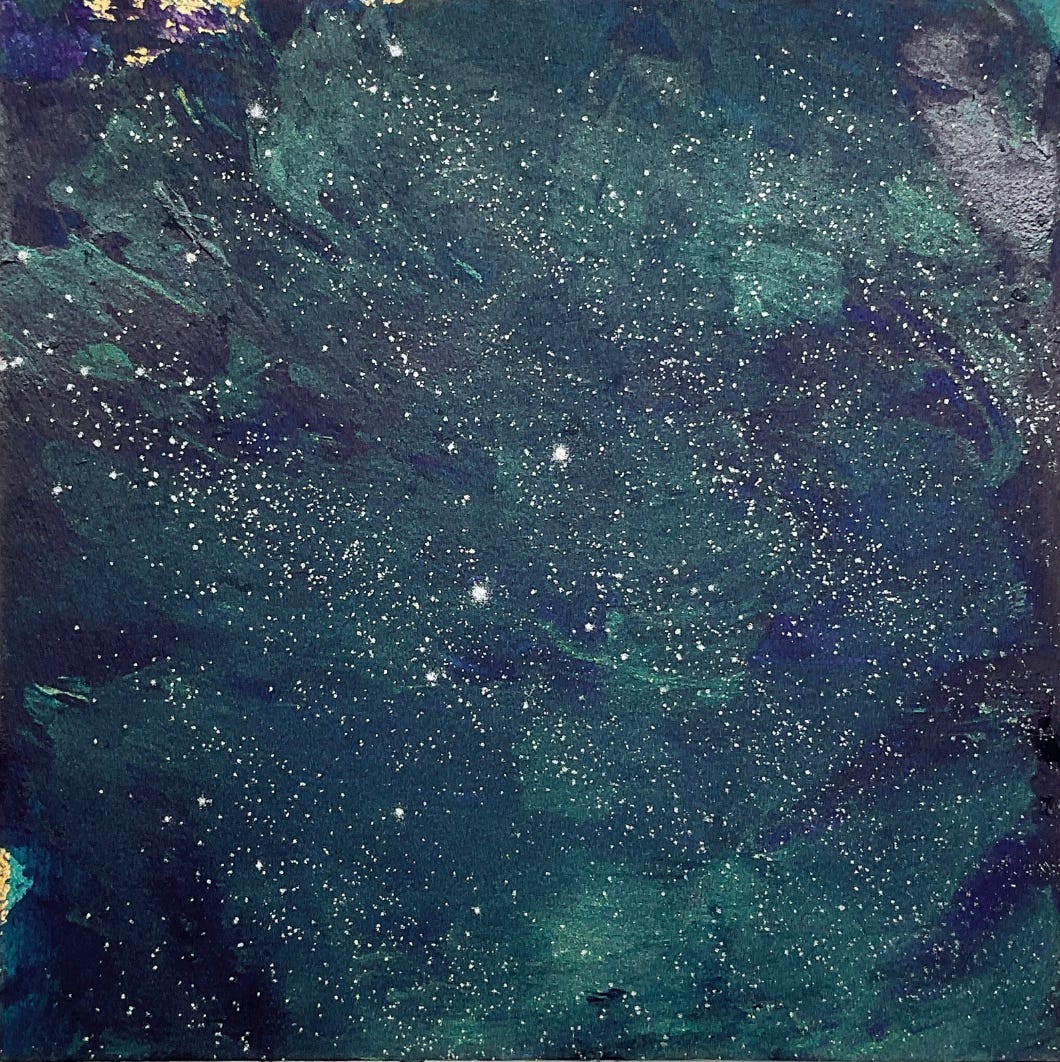
It was as if briefly losing my dependence on sight gave it back to me with more reverence.
Final Thought
I spend so much of my life thinking about what we see.
How spaces shape us.
How beauty moves us.
How design can alter emotion.
But this weekend made me wonder what happens when all of that disappears.
What remains when there’s nothing external to focus on?
For me, the answer was surprising.
Not emptiness.
Not fear.
Just a deeper appreciation for both the mind… and the beauty of returning to light.
💌 Elle
P.S. Try this: tonight, turn off the lights a little earlier than usual. Sit in the dark for a few extra minutes before reaching for your phone or flipping on a lamp. Notice what surfaces, what softens, and what you appreciate a little more when the light comes back.





.svg)
.svg)
















.webp)
.webp)
.webp)
.webp)
.webp)
-min.webp)