
Knock On Wood
I split my time between Brooklyn and the Hudson Valley—a duality I never want to give up. One sharpens me. The other softens me. Together, they create a rhythm that feels essential.
This past weekend, I hosted a girls’ weekend for close college friends upstate. Without planning it, nearly everything we did orbited around wood. We ate at Chleo in Kingston,where all the food is cooked over open fire in a visible kitchen.
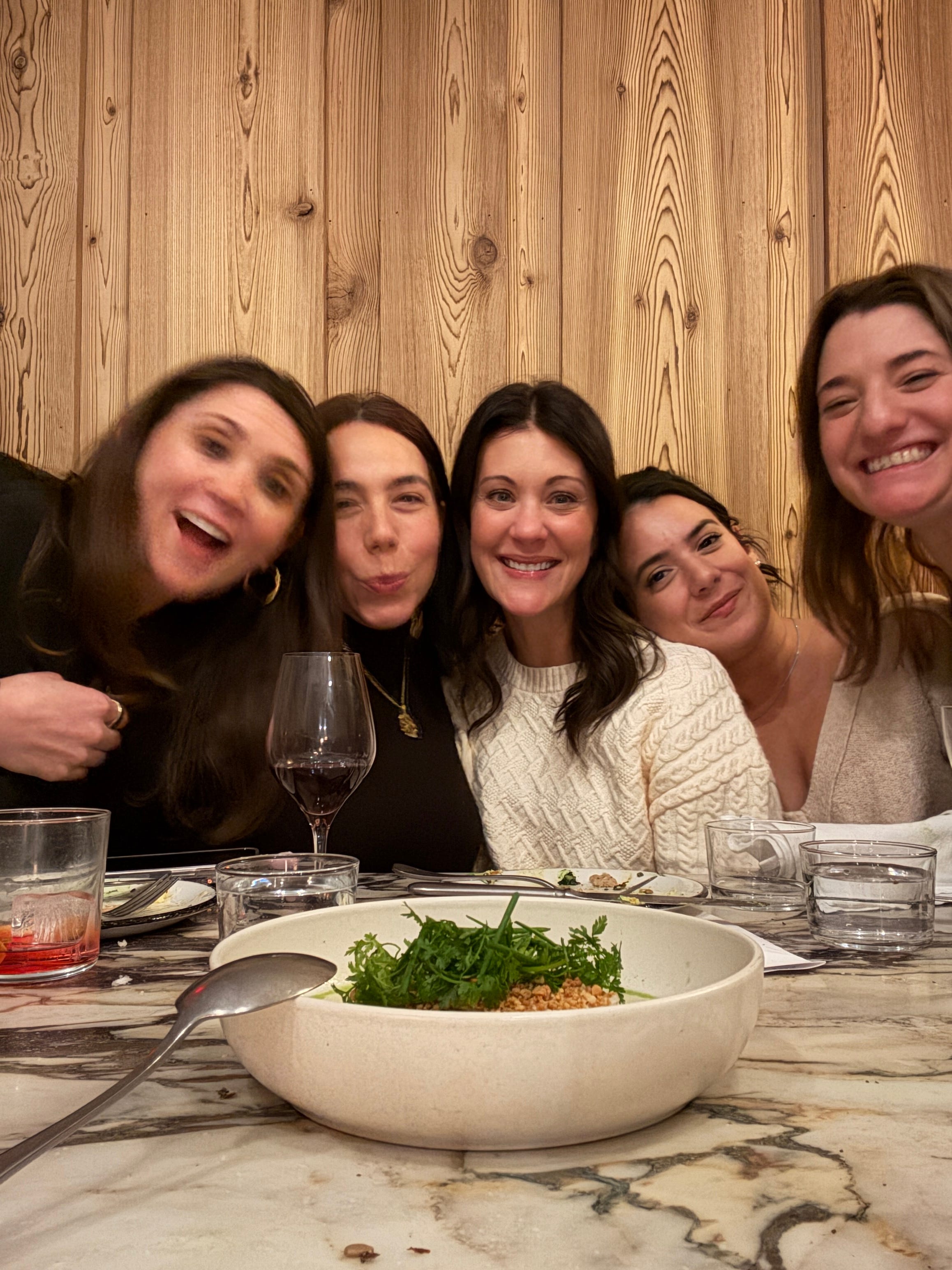
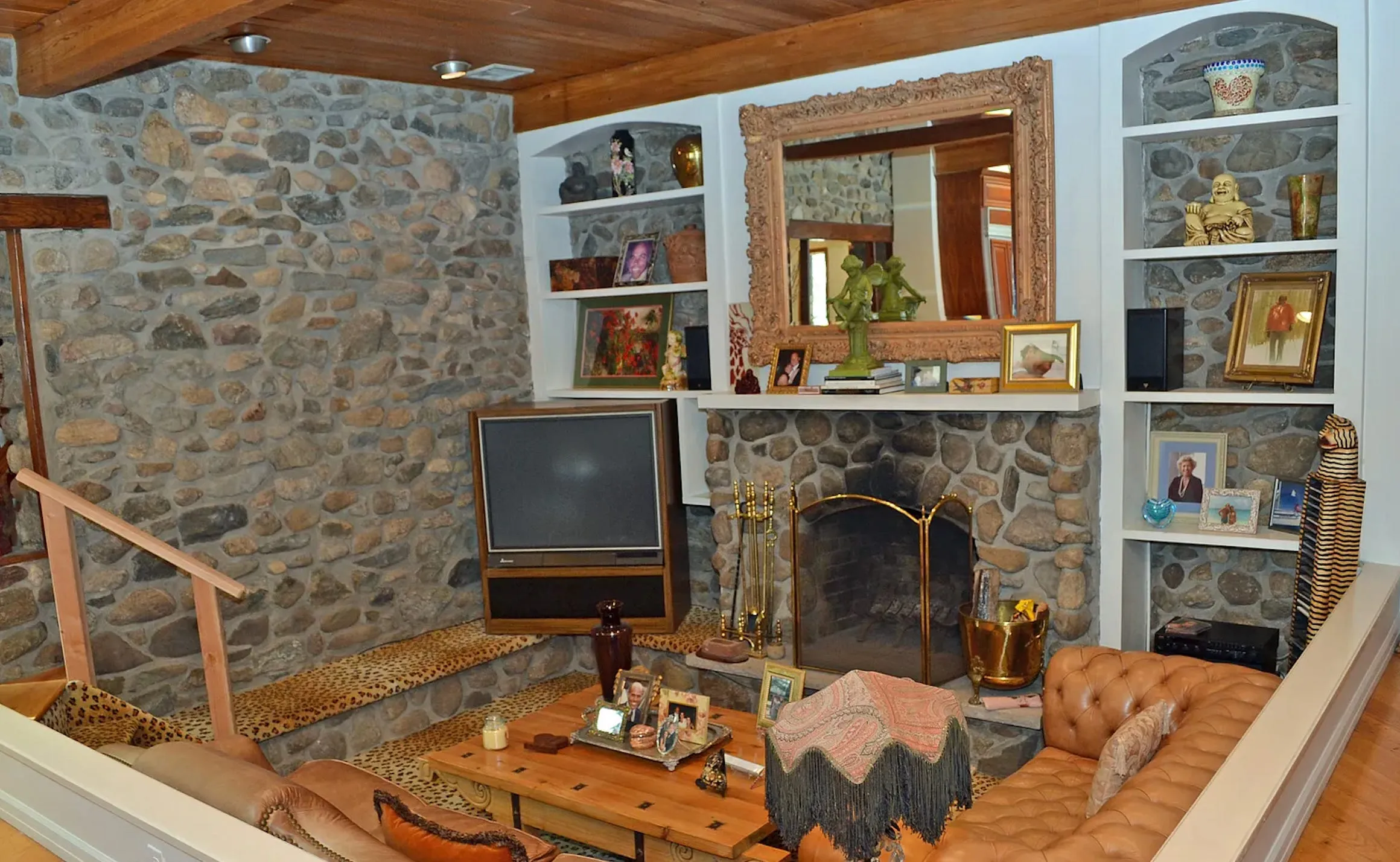
Later, back at my house, we gathered around the living room fireplace, talking in long, looping arcs, laughing until at least one of us was bent over in giggle tears.
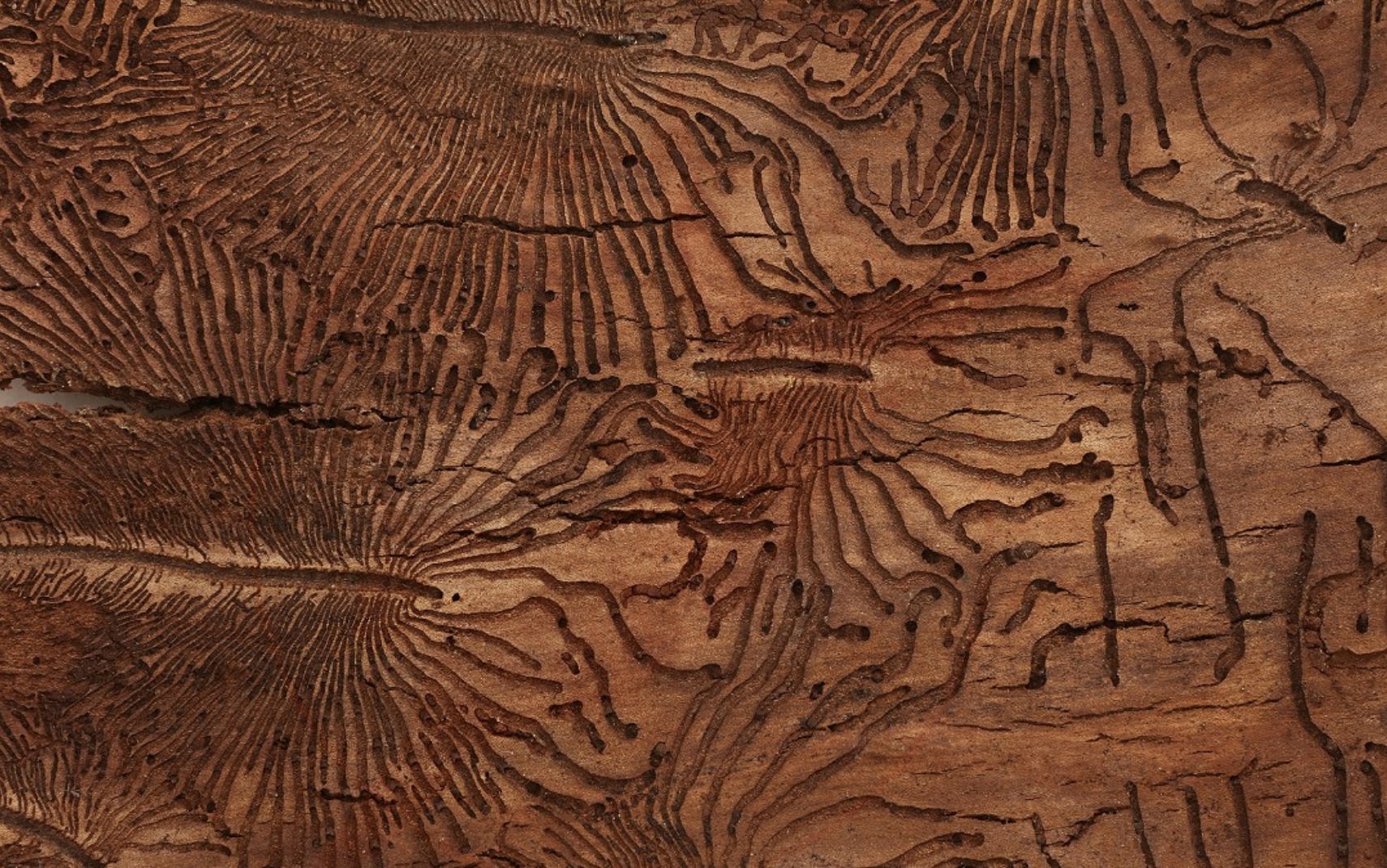
Somewhere in the middle of it all, I slipped into the role of ceremonial fire keeper—feeding the fire, paying attention to the burn, choosing which logs to add and when. It was then that I picked up a piece of wood that stopped me. It had been carved by a beetle.
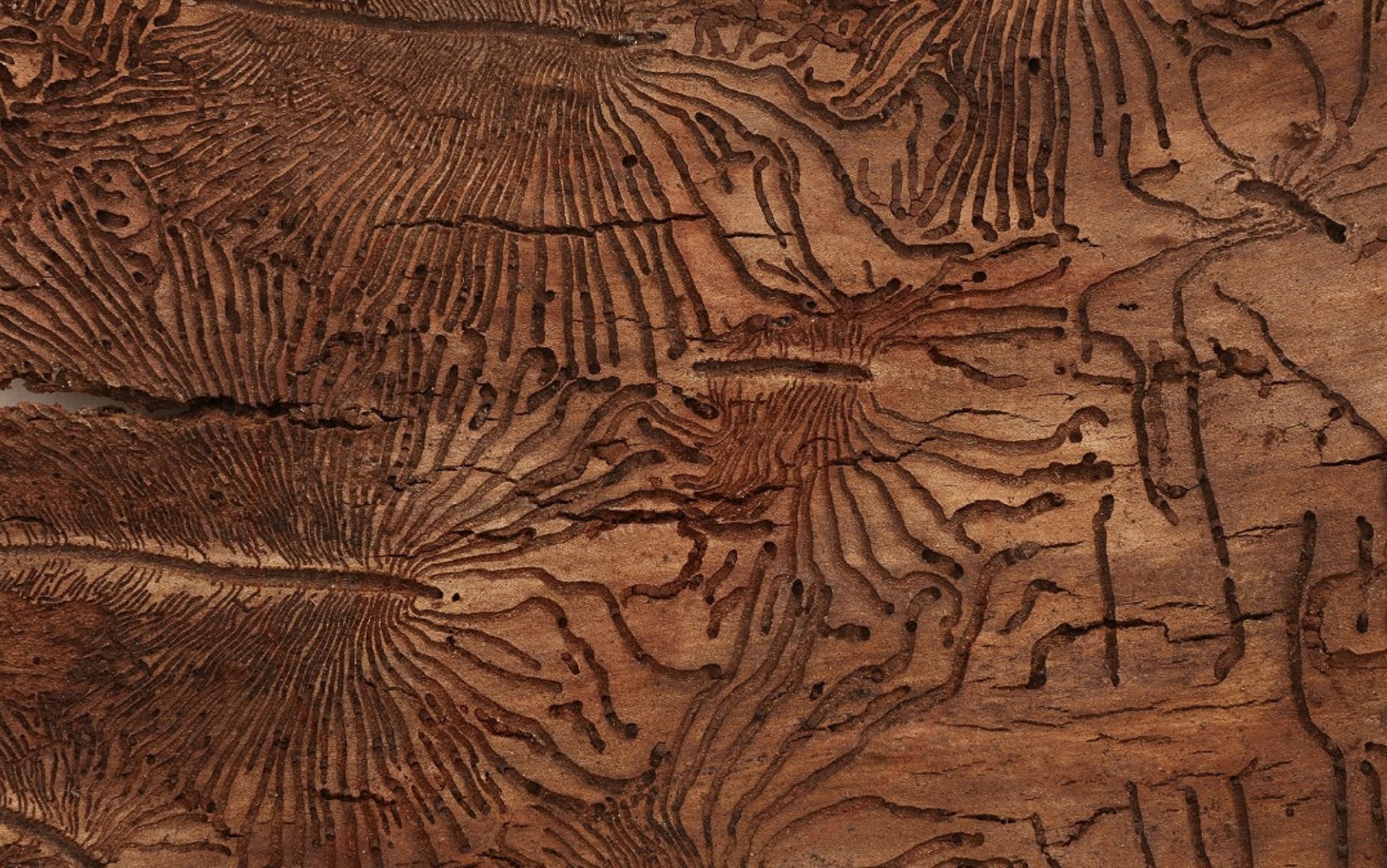
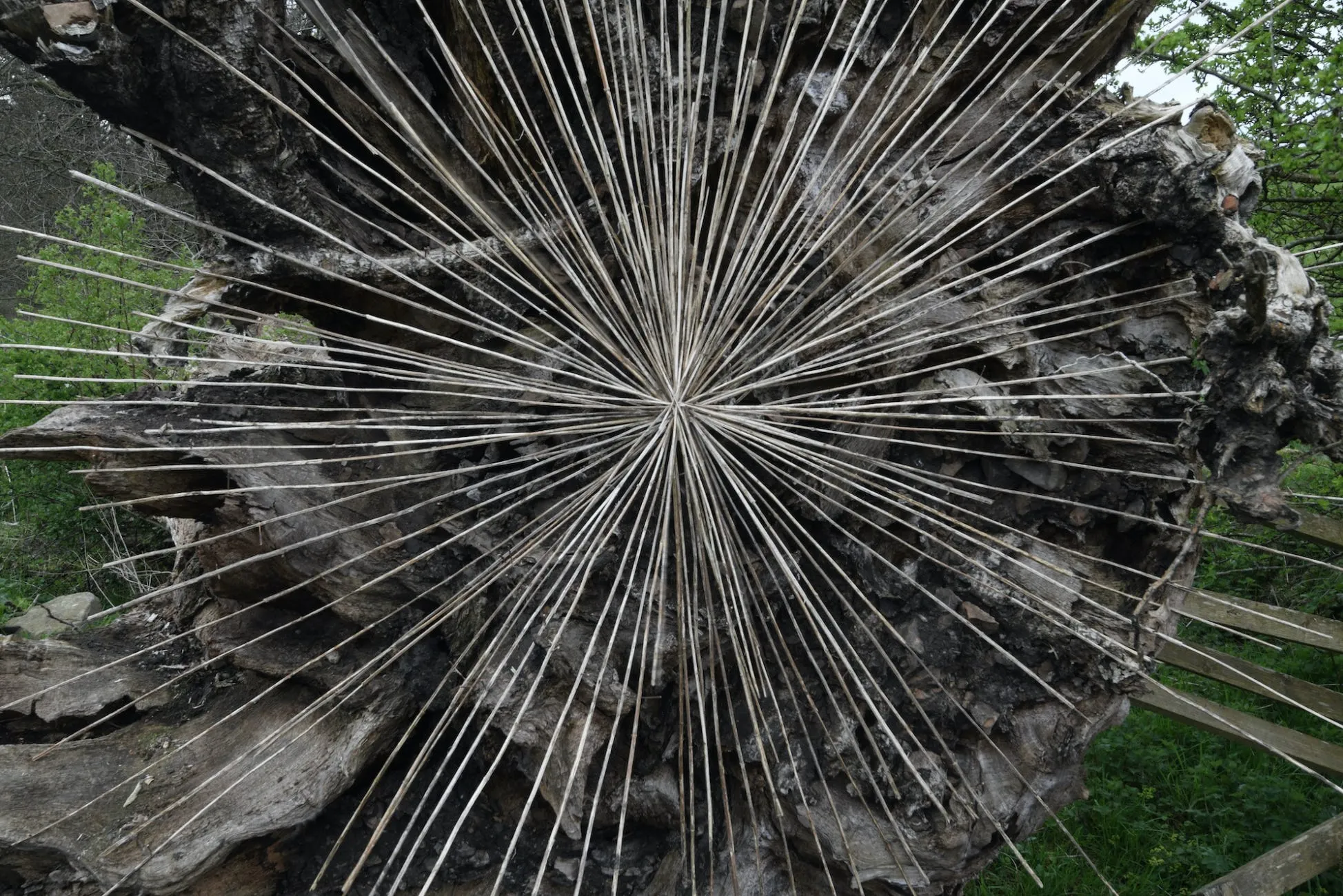
At first glance, it looked like damage. But closer inspection revealed something else entirely: delicate channels etched into the surface, branching and looping with astonishing precision. Patterns within patterns. A quiet map carved by a life lived inside the grain. It felt less like destruction and more like collaboration—between tree, insect, time.
What Wood Knows
By the time wood reaches our hands, it has already lived many lives.

Trees grow slowly toward light. Weather shapes density and grain. Beetles carve private pathways. Fungi begin the long work of transformation. Humans step in late…cutting, stacking, burning, building.
Creation layered on creation.
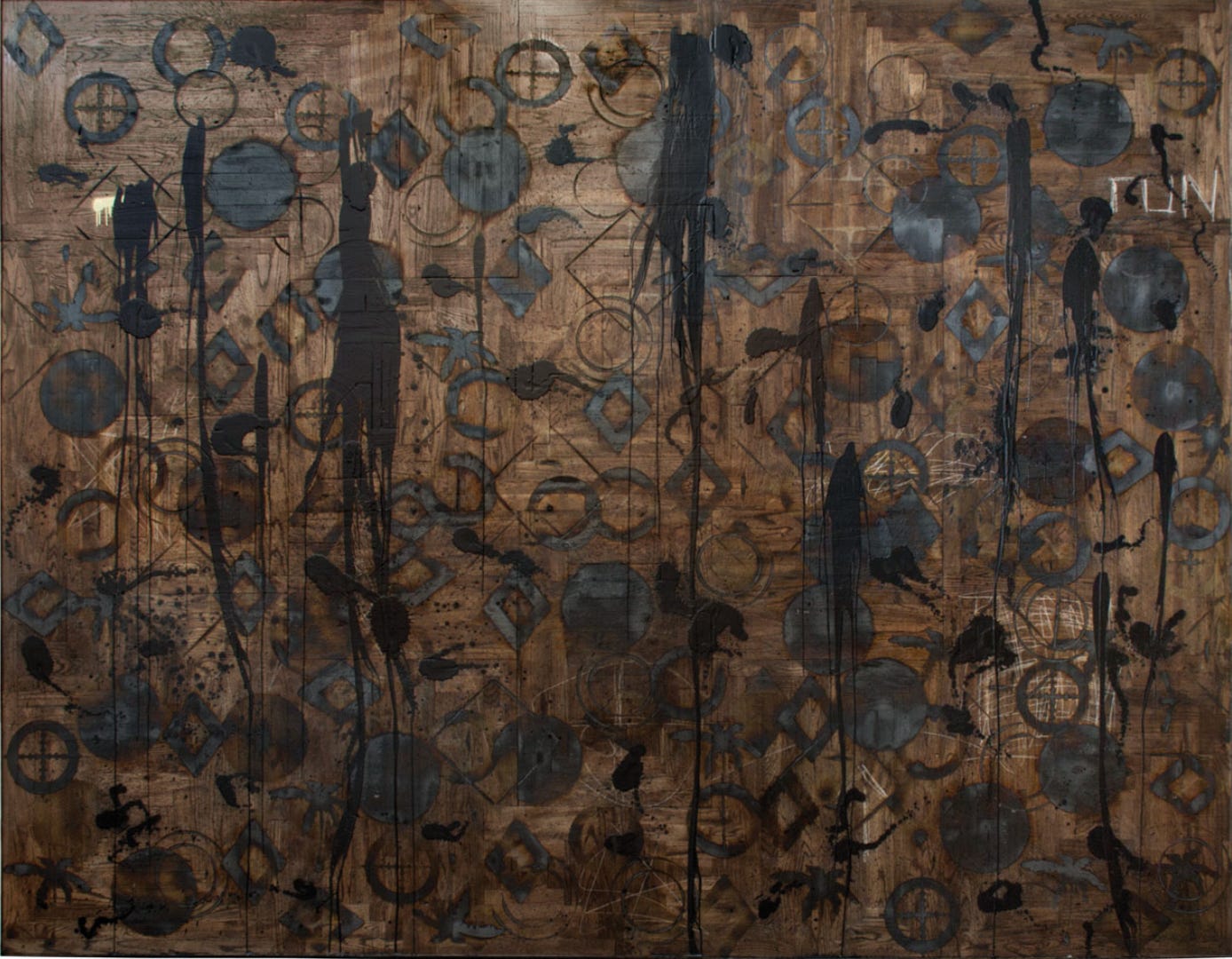
We tend to think of wood only at the moment we use it: as fuel, as structure, as furniture, as art. But wood is an archive. Grain tells you how fast a tree grew. Knots reveal stress and survival. Scratches, burns, and patina are not flaws but records, evidence of time allowed to show.
Living with fire makes this impossible to ignore. You don’t burn wood casually once you understand what it took to grow. You feel the weight of years in your hands when you stack logs. You watch a single piece hold heat for hours and realize how generous that is.
Reverence Built In
Before insulation, before electricity, before engineered systems, there was wood. Firewood. Structural beams. Tables, floors, doorways. It kept us warm, housed, fed, and gathered.
The body remembers this. The crackle of fire, the smell of smoke, the soft irregular light. These are cues that signal safety, rest, continuity. Wood turns energy into warmth in a way that feels earned rather than mechanical.
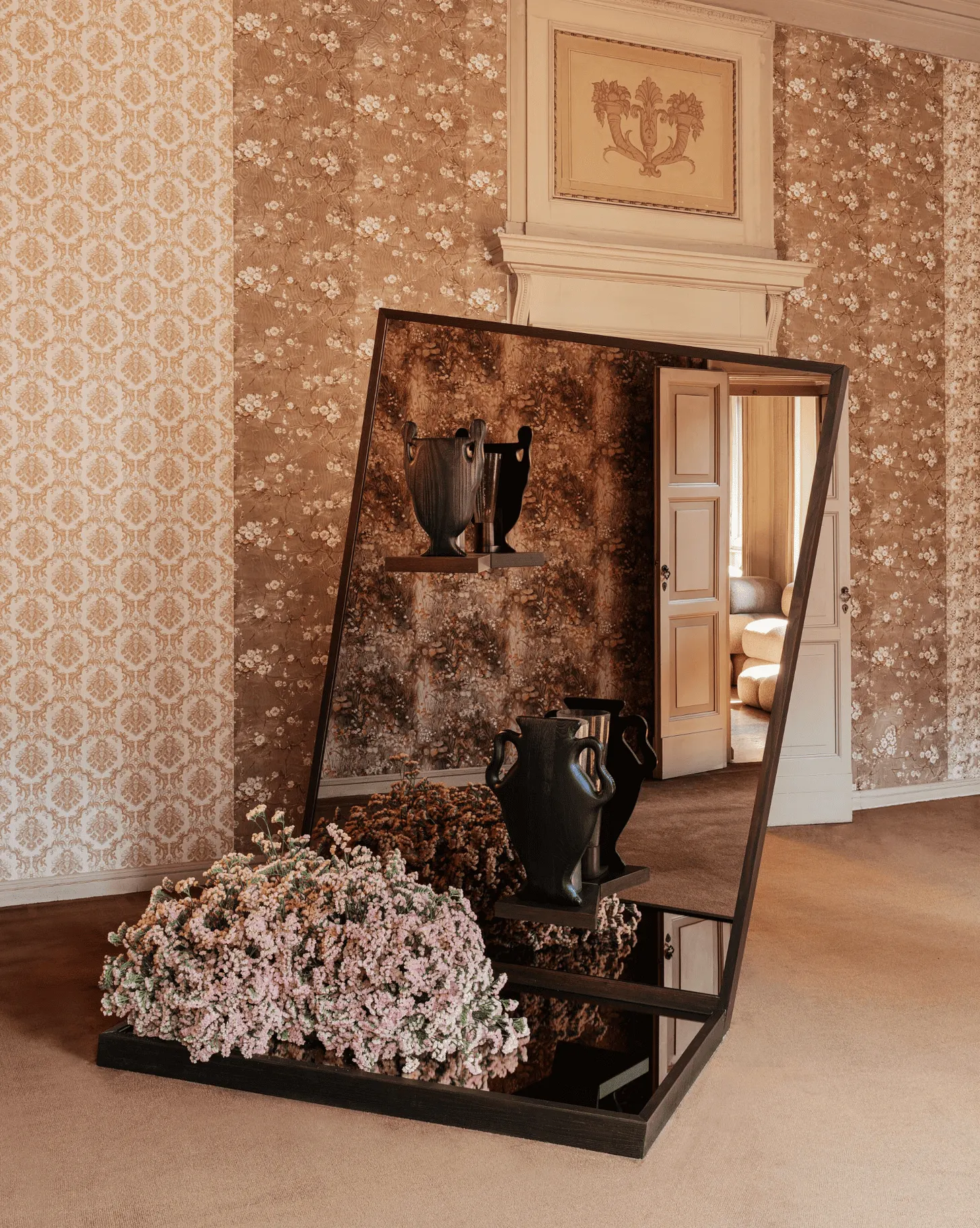
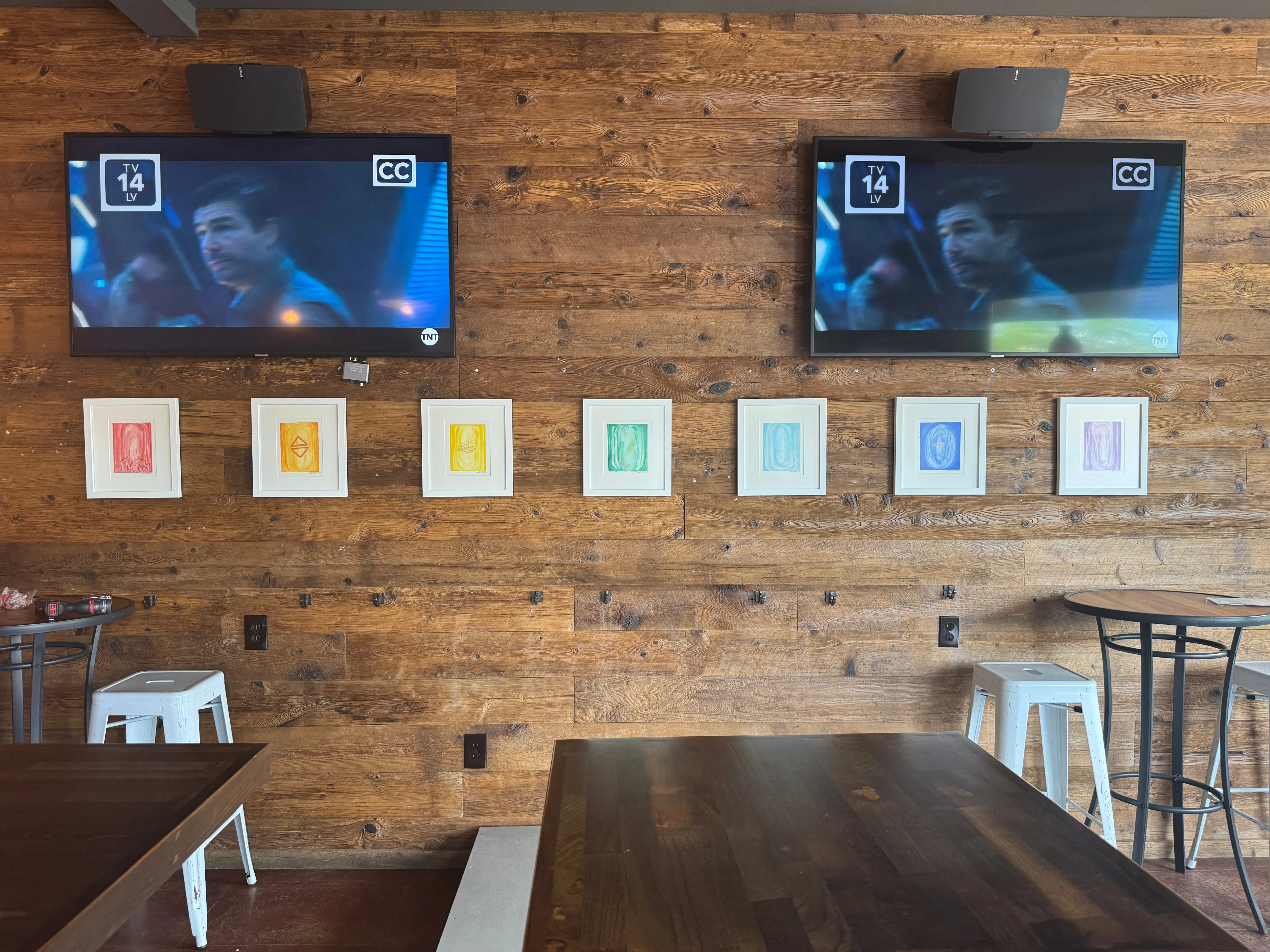
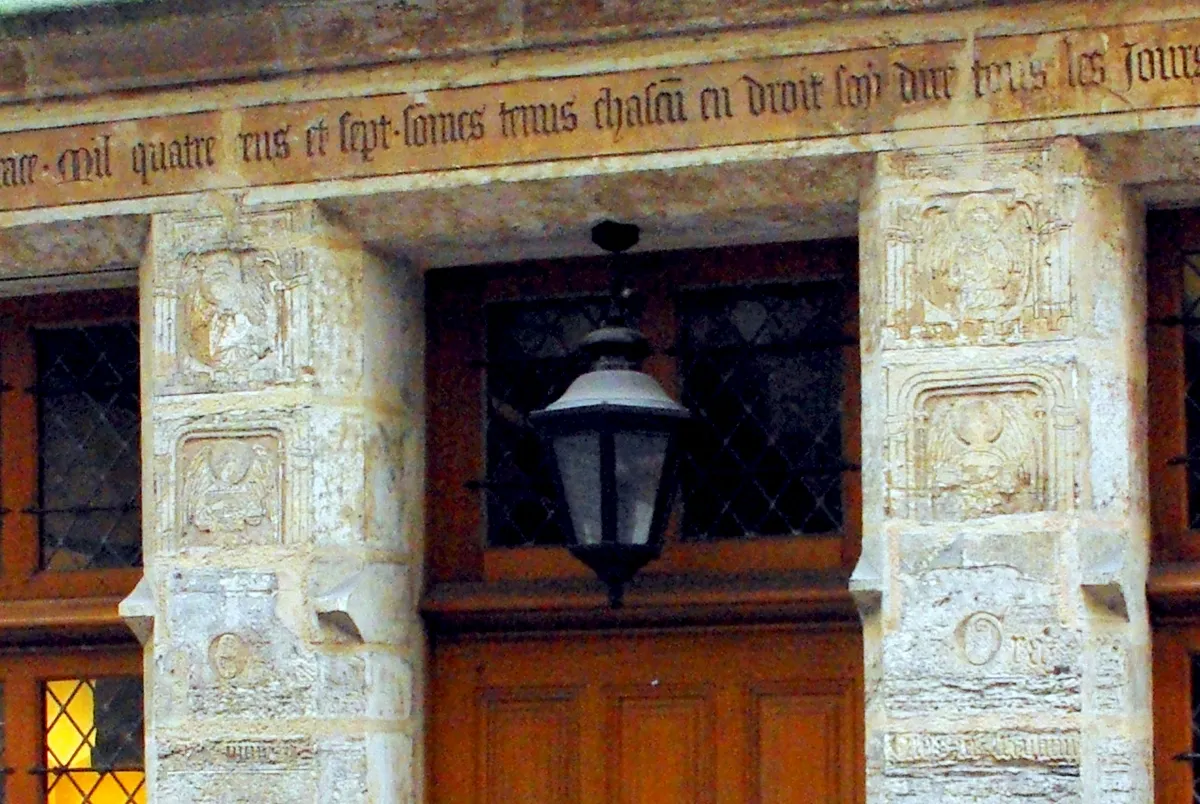
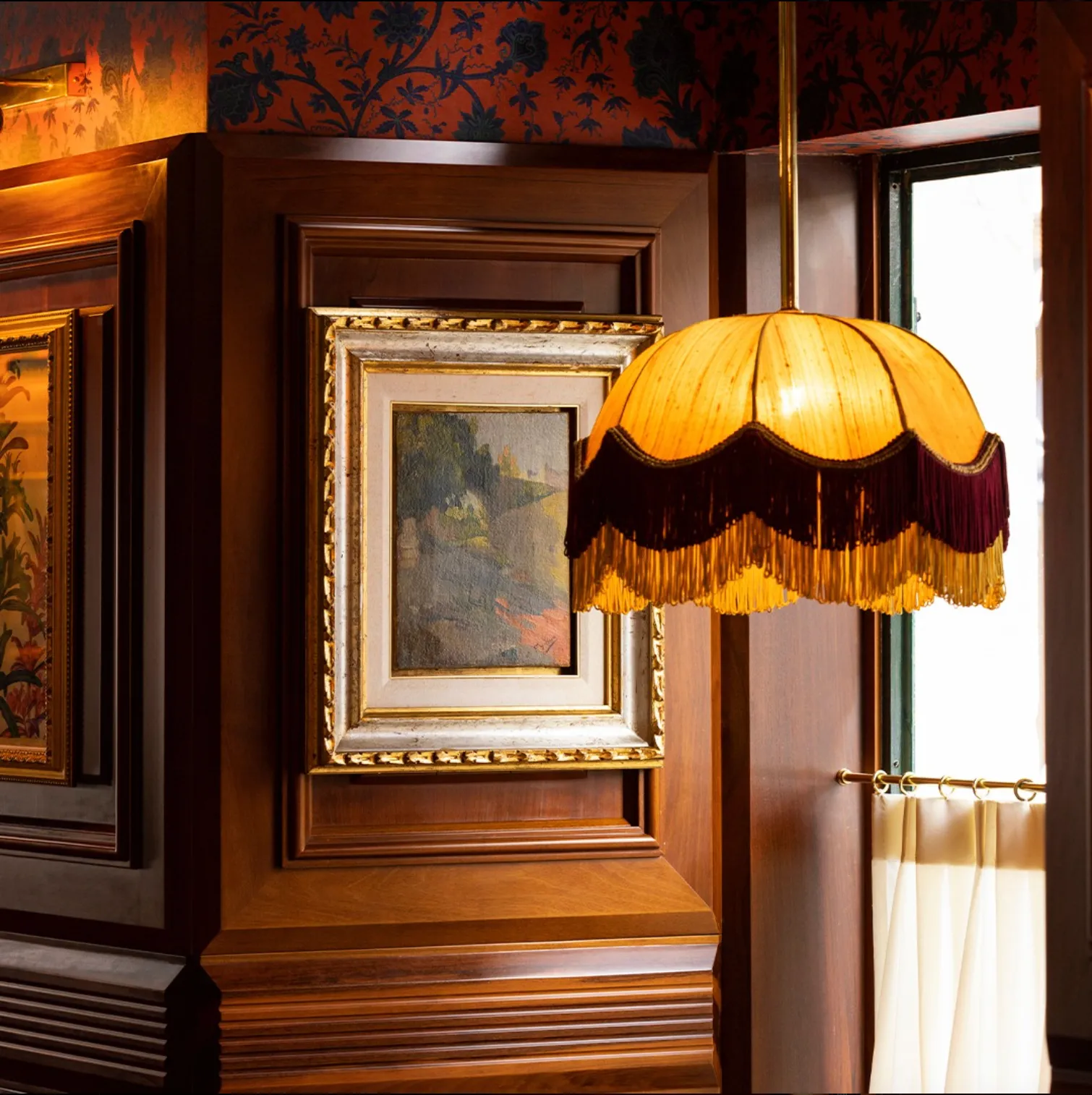
Structurally, wood is forgiving. It bends. It bears weight. It flexes with time. Floors creak. Beams settle. Nothing pretends to be permanent, yet everything holds. A wood-paneled room absorbs sound and softens light. Comfort here isn’t decorative—it’s physical.

Unlike synthetic materials, wood keeps a visible memory. It doesn’t erase time; it records it. And in a culture obsessed with the new, that insistence on continuity feels pretty radical.
Final Thoughts
That beetle-carved log made something click for me. Wood isn’t just a material we use or control. It’s something we participate with. Whether we’re building, burning, carving, or simply gathering around it, we’re entering an ongoing process—one that started long before us and will continue long after.
Maybe that’s why wood feels so trustworthy. So steady. It teaches us that making doesn’t begin with us. That creation is rarely solitary.
We talk often about innovation—about what’s next, what’s smarter, what’s more advanced.
But sometimes the most intelligent move is remembering what has always worked.
💌Elle
P.S. I’d love to know, what’s your most memorable encounter with wood? A table, a floor, a cabin, a fire? Some materials stay with us for a reason.




.svg)

.svg)




























.webp)
.webp)

.webp)
.webp)
.webp)


-min.webp)