
The Room Is Always Humming

I went to a yoga class yesterday expecting movement. A gentle stretch, maybe even a humbling hip opener with my favorite 65 year old yoga teacher in Hudson NY.
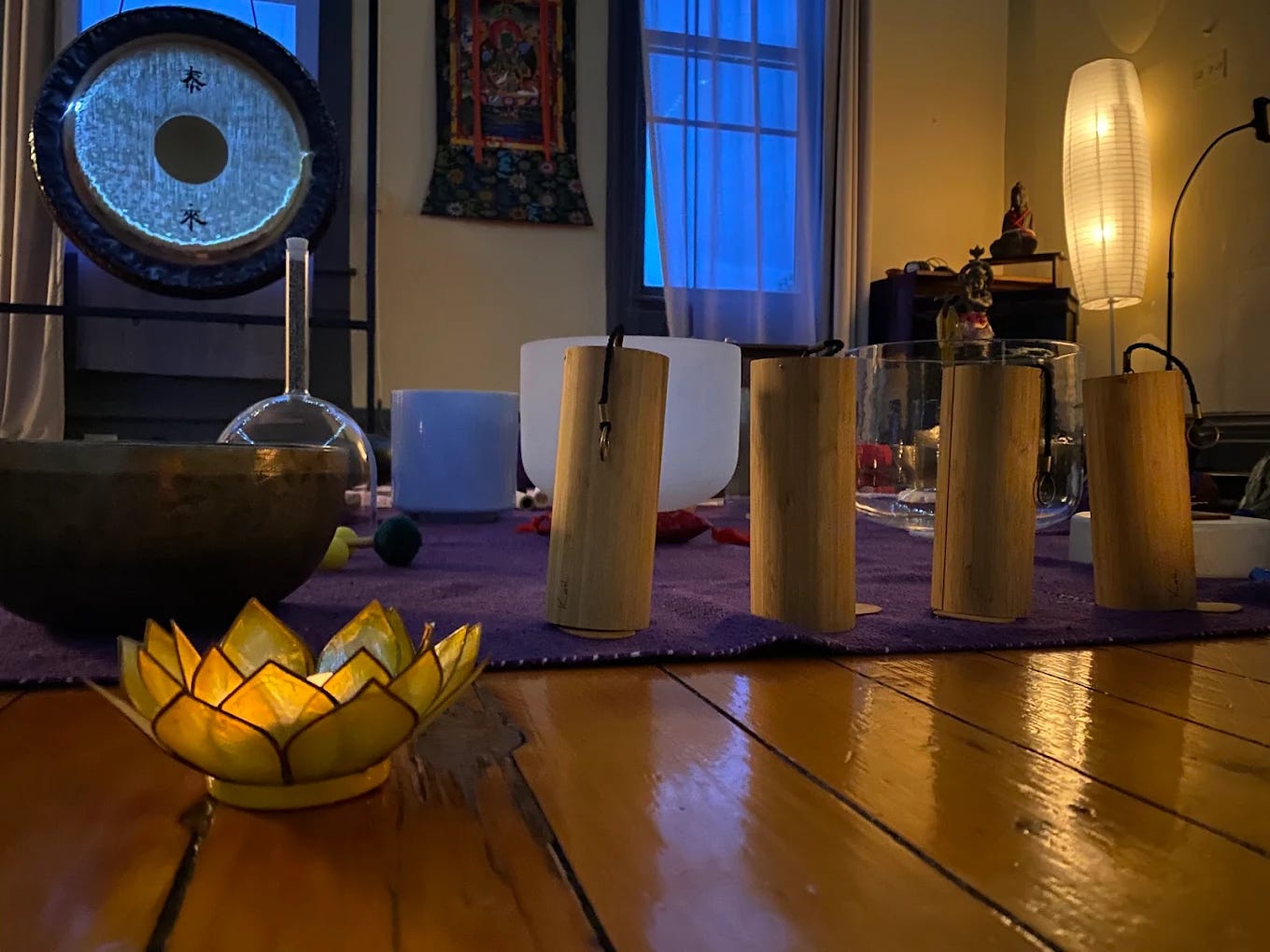
Instead, halfway through, the teacher rolled in a gong.
The first strike didn’t sound loud. It felt structural. Like something inside my ribcage had been gently rearranged.
Then she asked us to chant. Long, sustained vowels. A room full of strangers humming the same tone.
At first it felt intimate in the awkward way.
Then it felt cohesive.
You could feel the exact moment we synchronized. When the sound stopped being individual voices and became one layered frequency. Not louder. Just steadier.
I left thinking less about flexibility and more about this:
Every room is already vibrating.
We just don’t always notice.
Vibration Isn’t Mystical — It’s Mechanical
Sound is oscillation moving through air.
When the gong was struck, the metal vibrated. That vibration traveled outward, into our eardrums, through bone, into the nervous system.
Low frequencies aren’t only heard. They’re felt. Through fascia. Through the chest cavity.
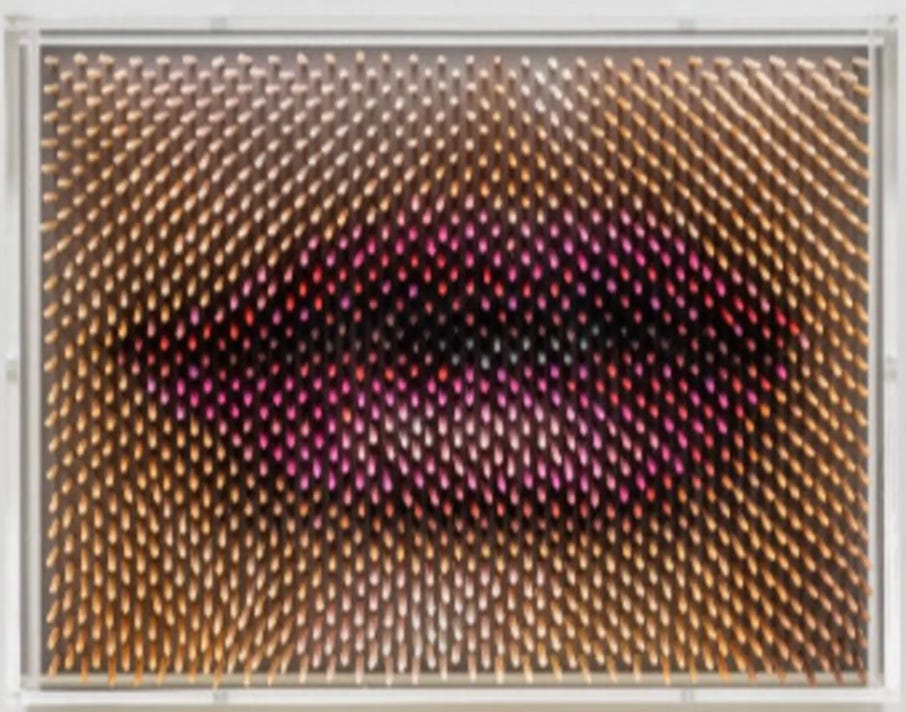
But it’s not just ceremonial instruments.
HVAC systems hum.
Footsteps reverberate.
Lighting flickers at microscopic intervals.
Voices carry micro-shifts in tone.
Buildings are not static. They are frequency environments.
Nikola Tesla once said, “If you want to find the secrets of the universe, think in terms of energy, frequency and vibration.”
Even if you remove the poetry, the physics still stands.
Everything is moving.
The Nervous System Is Always Listening
Stephen Porges’ Polyvagal Theory suggests that our autonomic nervous system is constantly scanning for cues of safety.
Not intellectually.
Somatically.
Tone of voice.
Rhythm.
Spatial coherence.
Acoustic sharpness.
When we were chanting together, something subtle happened: our breathing aligned. Our tones softened. The room felt safer — not because anyone announced it, but because our bodies registered it.

There’s a term for this: entrainment.
Rhythmic systems synchronize when exposed to shared frequency.
We call it “good energy.”
What we usually mean is:
My body can settle here.
What This Has to Do With Design
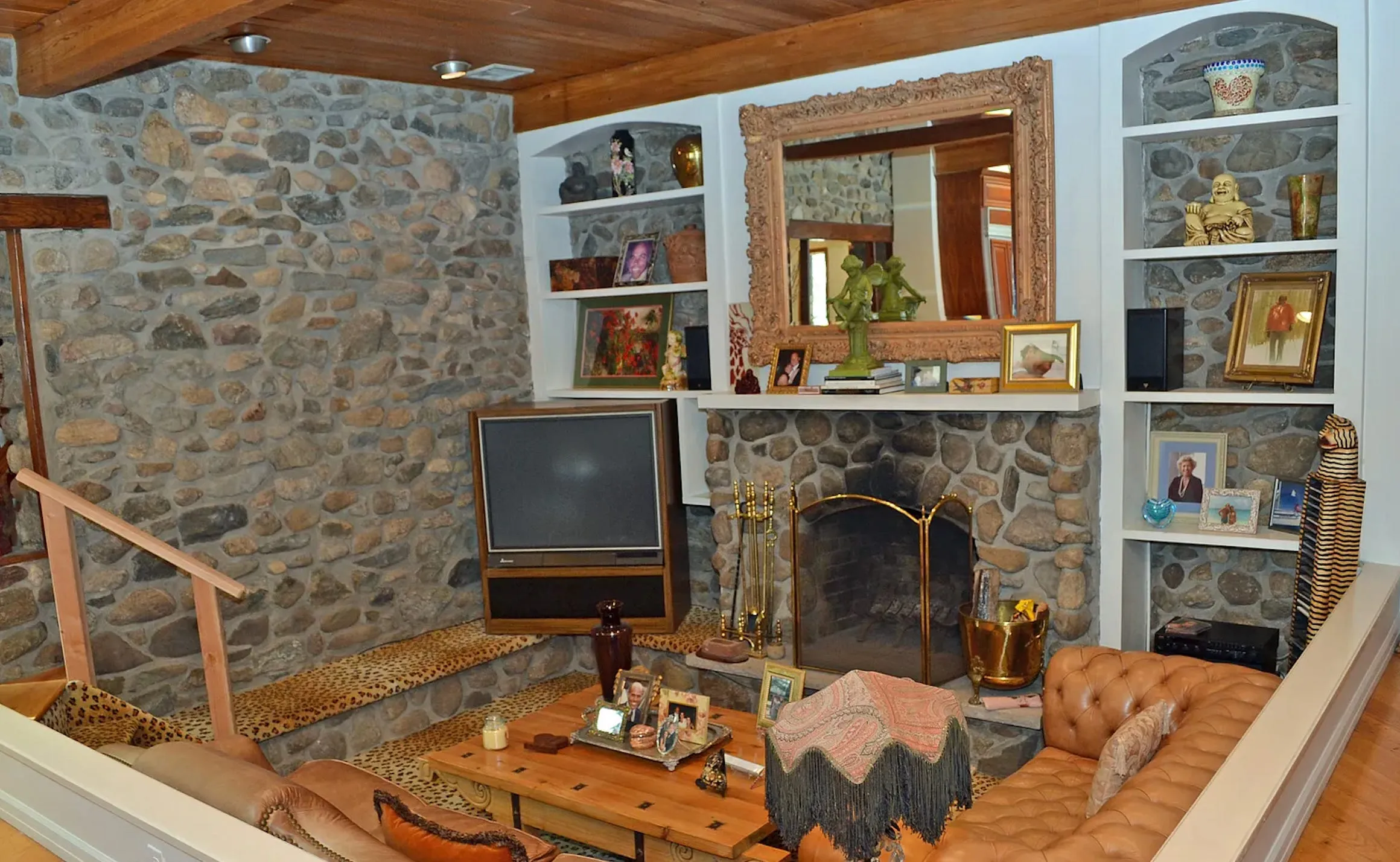
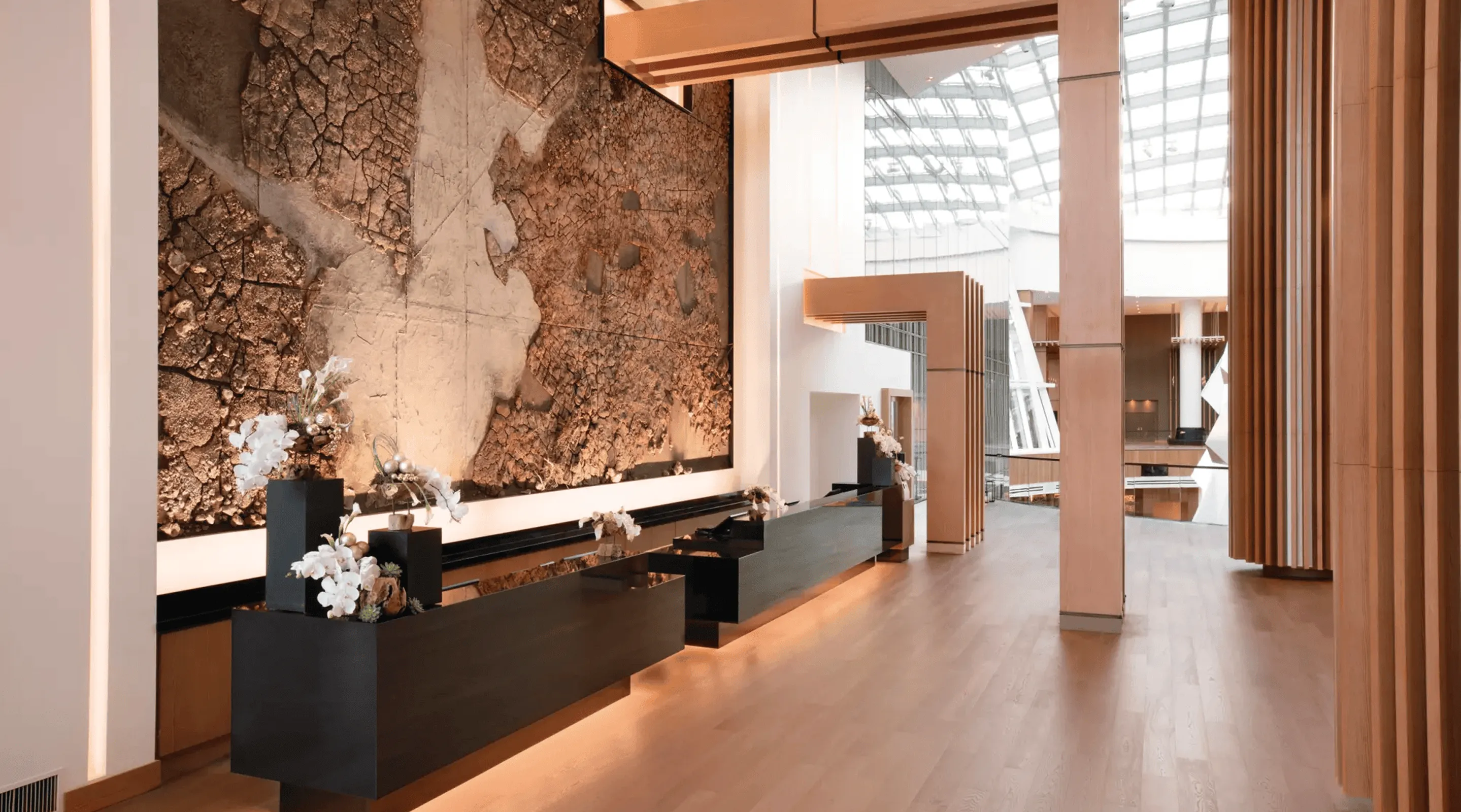
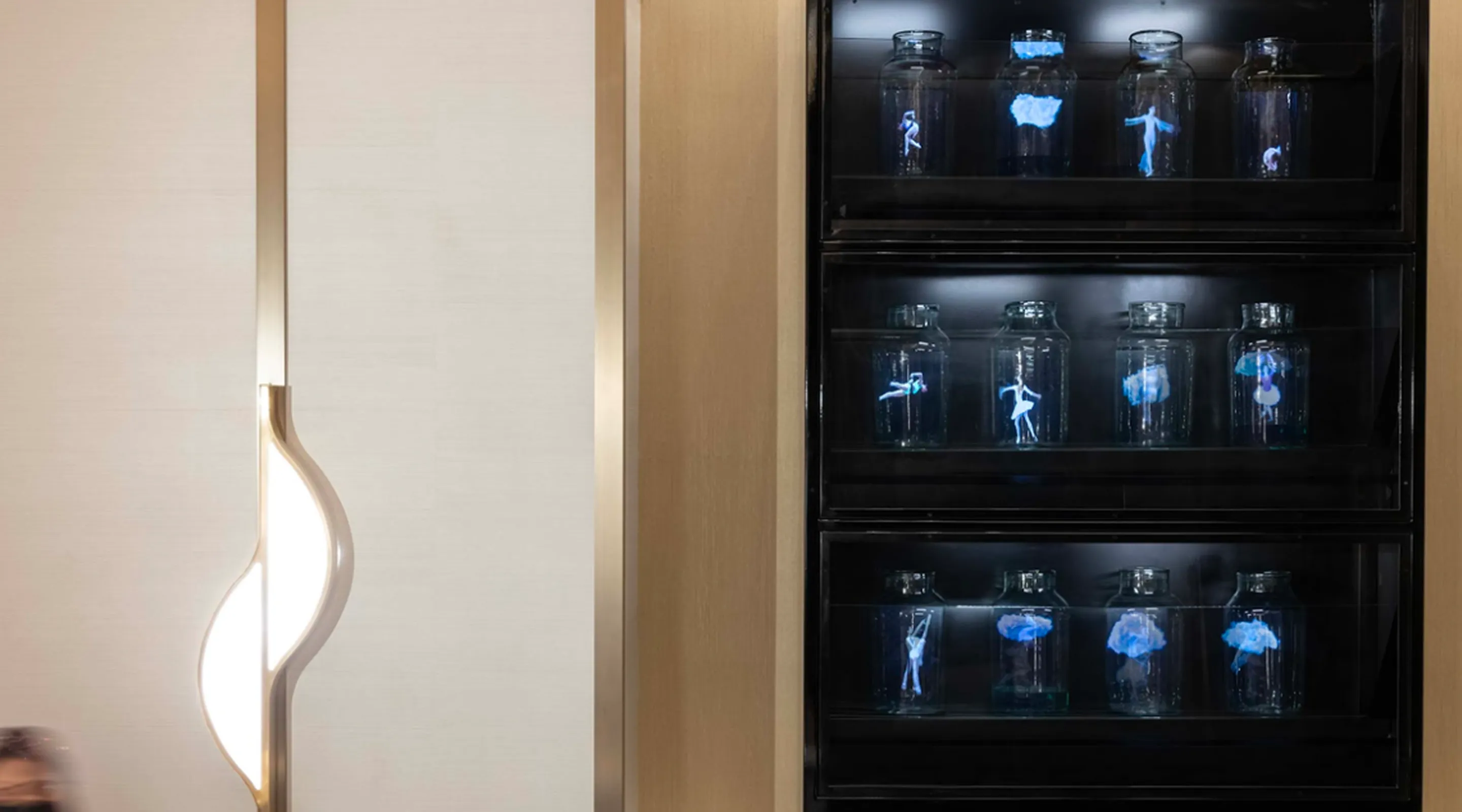
I kept thinking about Hotel lobbies. Galleries. Homes.
We obsess over visuals; color, layout, styling.
But what if the more important question is:
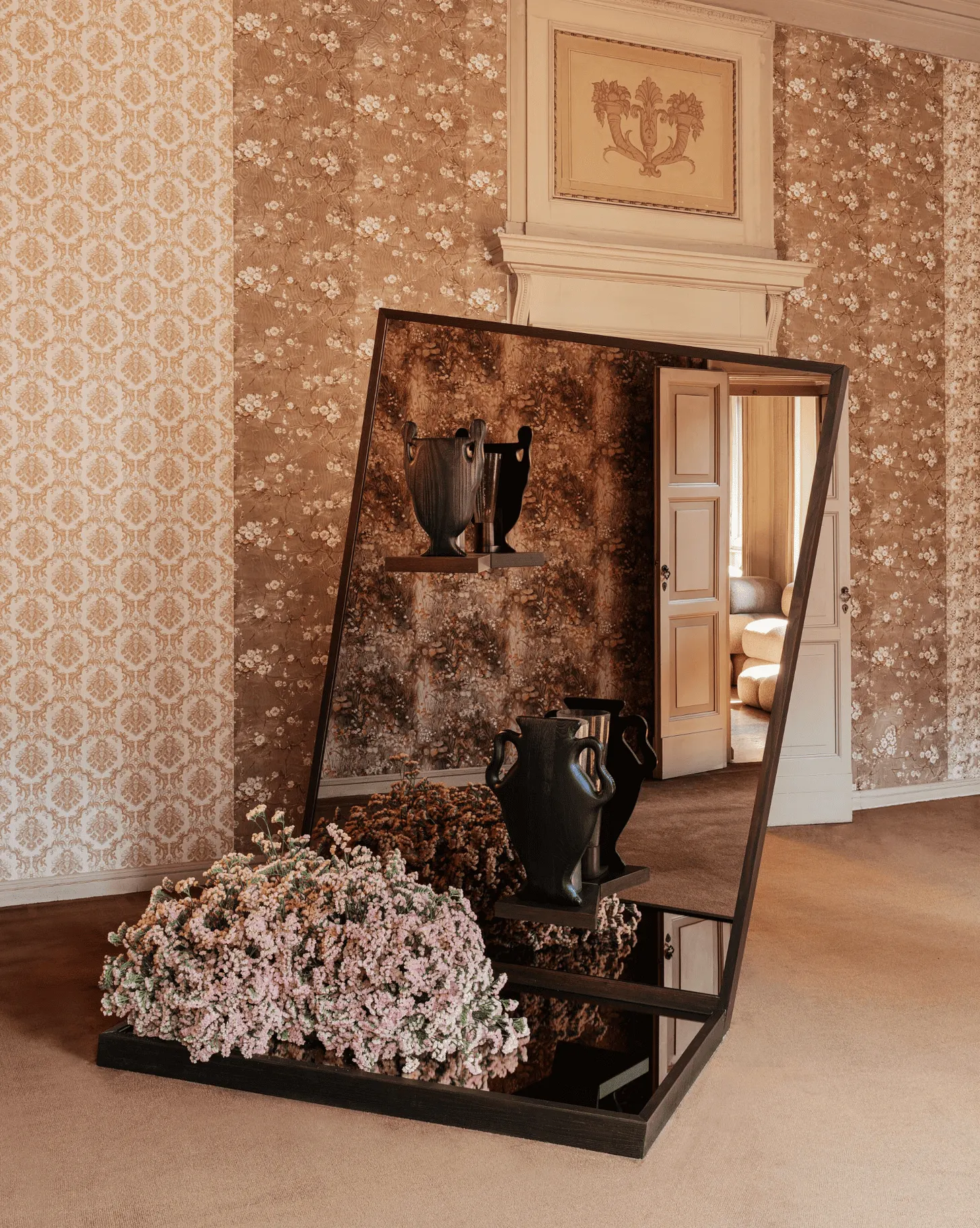
What frequency is this room holding?
Concrete reflects sound.
Glass sharpens it.
Wood diffuses it.
Textiles absorb harshness.
Warm light softens vigilance.
Indirect light lets the eyes rest.
Clutter increases micro-scanning.
Even ceiling height shifts cognition. Expansive ceilings encourage abstract thought. Lower ceilings create containment.
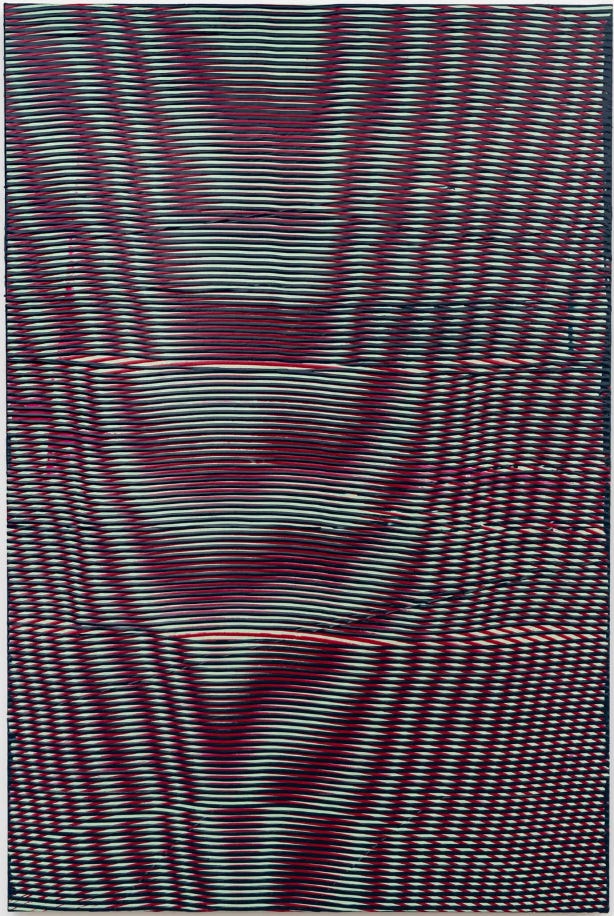
Design isn’t decoration.
It’s atmosphere.
It’s pacing.
It’s nervous system choreography.
The gong was simply an exaggerated reminder of what rooms already do.
They tune us.
Coherence > Performance
There’s a lot of language online about “raising your vibration.” It often sounds like forced positivity.
But what happened in that class wasn’t hype.
It was coherence.
No one tried to dominate the room.
No one overperformed calm.
We just aligned.
When one nervous system stabilizes, others subtly follow.
Regulation is contagious.
So is tension.
You can feel the difference immediately.
Protection Isn’t Bracing
The most surprising part of the class wasn’t the sound.
It was how clearly I could feel what wasn’t mine.
In shared spaces, we brush against each other’s stress, anticipation, distraction. It’s subtle. But it’s real.
Protection isn’t armoring.
It’s knowing your baseline.
When you know your own internal tone, you notice when it shifts. You don’t need to manipulate the room. You don’t need to overpower it.
You tune back.
And when enough people do that, the room changes.
Not dramatically, but just enough.
Final Thought
The room is always humming.
The only question is:
Are you adding noise
or resonance?
💌Elle
P.S. I’m curious — what’s a room that always makes your body settle? A hotel lobby, a friend’s kitchen, a gallery, your own living room at night? I’d love to know what spaces feel coherent to you.




.svg)

.svg)









































.webp)

.webp)

.webp)
.webp)
.webp)



-min.webp)