The Thrill of The Hunt

Let me start by saying this:
I am not the biggest antique warehouse fan.
When talking to friends, I lovingly refer to them as “rooms full of dead people’s things,” which, if I’m being honest, kind of creeps me out.

Now don’t get me wrong.
I love a well-curated estate sale.
I love thoughtfully selected dead people’s things displayed beautifully in a charming shop.
I love dead people’s things that someone else has already sifted through and listed on the internet so I can browse them from the comfort of my couch.
But endless warehouses? Endless booths? Endless collections of objects whose origins I know nothing about?
Historically, not my thing.
Which is why I’m surprised to report that I’ve spent the past two weekends at antique shows.

Brimfield last weekend.
The Rhinebeck Antique Fair this weekend.
And somewhere between the vintage paintings, stacks of old books, garden statuary, tarnished silver, and people hauling furniture larger than their vehicles, I started questioning some long-held beliefs about myself.
Namely:
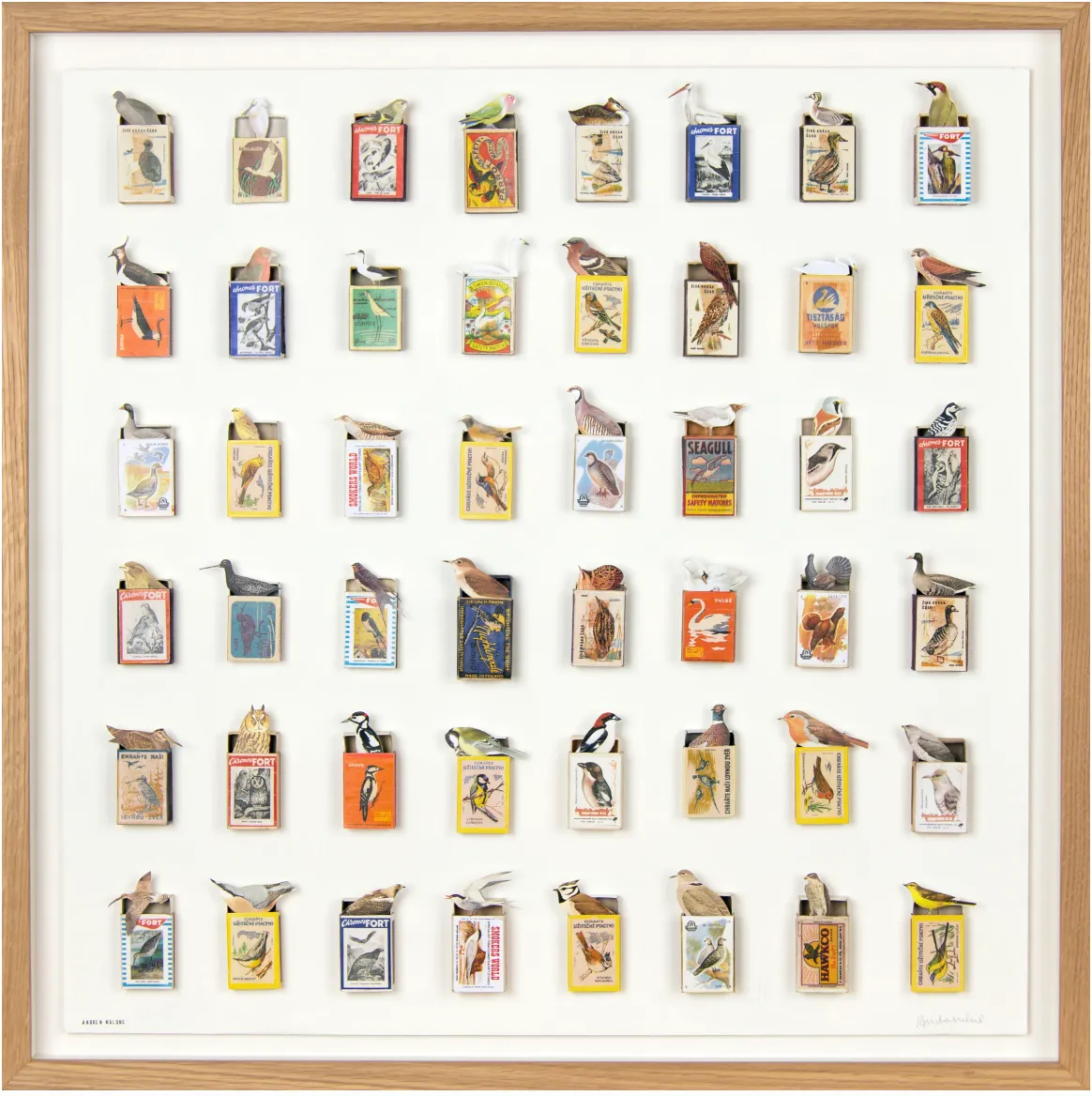
Maybe I like collecting more than I thought.
Or perhaps more accurately, maybe I’m fascinated by people who collect.
Because what became increasingly clear to me while wandering aisles of objects is that most people aren’t actually shopping.
They’re hunting.
And I started wondering if that feeling, that thrill of discovery, that obsession with finding the perfect thing, might be doing something deeper for the nervous system than simply filling a house with beautiful objects.
The Dopamine Is in the Discovery
The more I thought about it, the more I realized that collecting isn’t really about ownership.
It’s about discovery.
Anyone who has spent time with a serious collector knows this.
The object matters, of course.
But the story of how they found it matters almost as much.
The flea market they woke up at dawn to attend.
The estate sale they drove two hours for.
The booth they almost skipped.

The painting hidden behind another painting.
Every object comes with a story.
And from a neuroscience perspective, that makes perfect sense.
Researchers often describe dopamine not as the chemical of reward, but the chemical of anticipation.
The excitement lives in the possibility.
The maybe.
The what if.
The next booth could have it.
The next aisle could contain the thing you’ve been searching for for years.

Brimfield, in particular, is basically one giant dopamine machine
Field after field.
Tent after tent.
Thousands of objects.
Most of which you don’t need.
But any one of which could become the thing you can’t stop thinking about.
Collected, Not Decorated
The funny thing is that while wandering these fairs, I kept thinking about a project I’m currently curating.
The goal isn’t simply to make it beautiful.
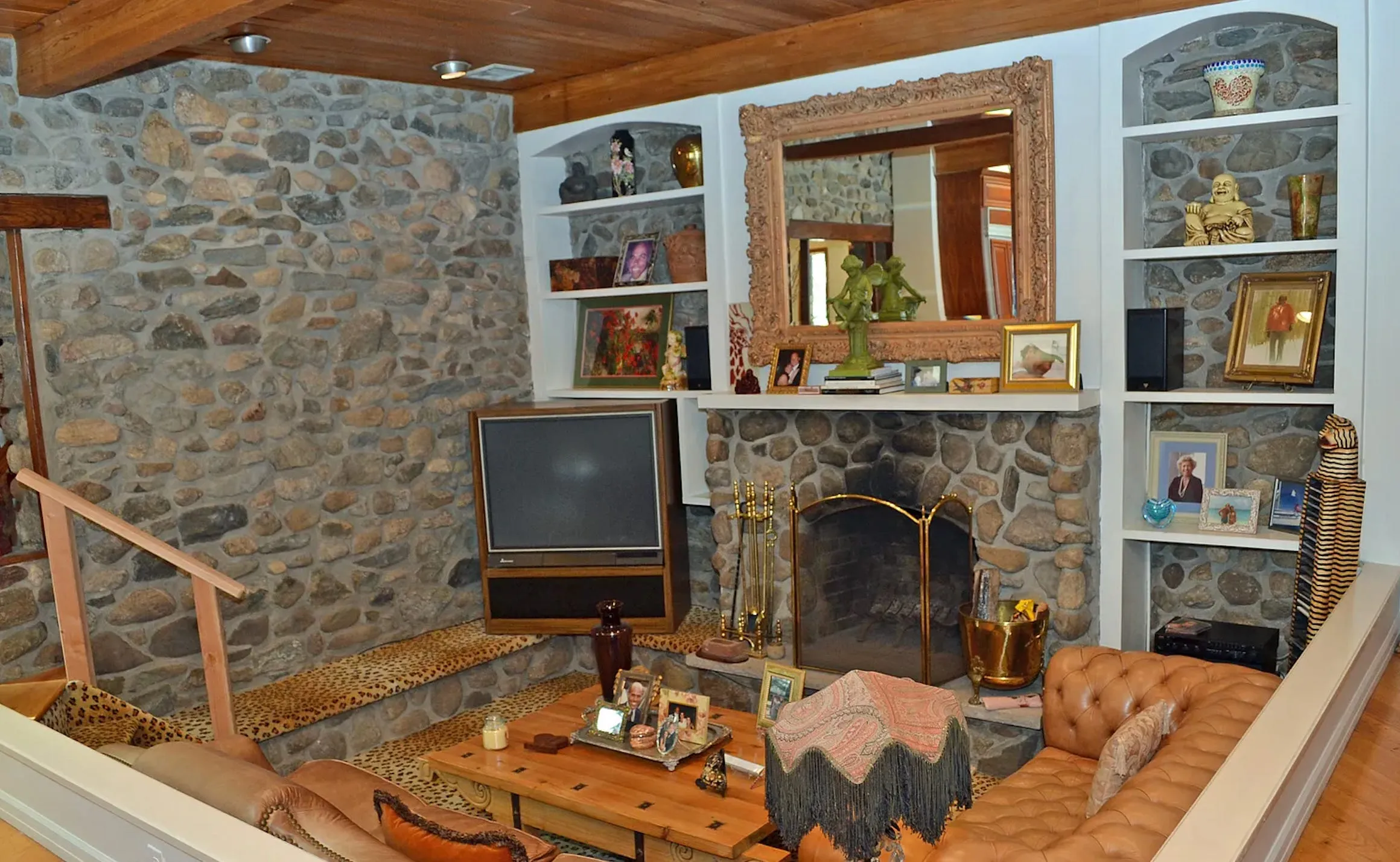
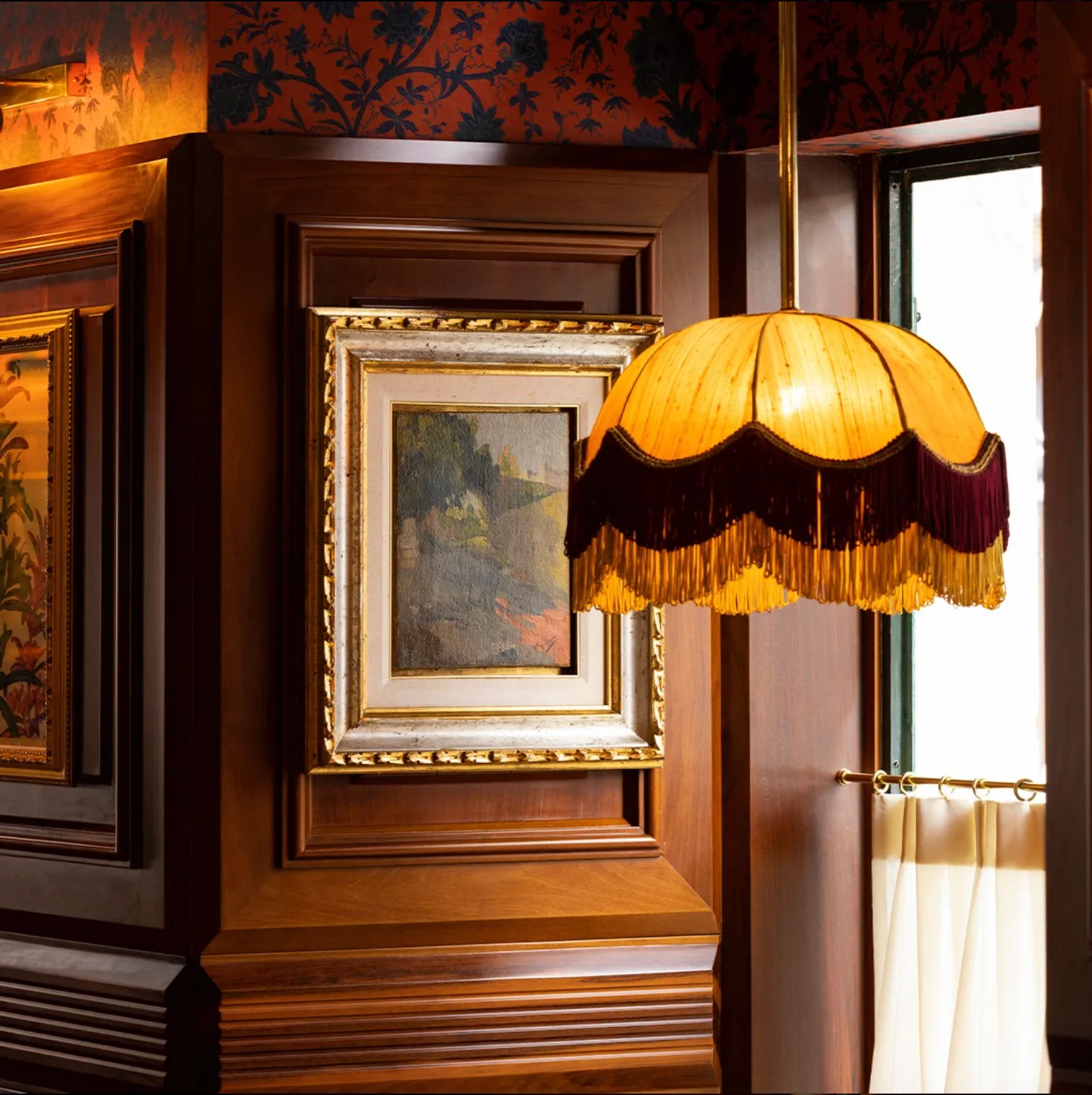
The goal is to make it feel collected.
As though the owners spent decades gathering pieces from around the world.
An antique found in the Hudson Valley.

A vessel picked up at a flea market in Provence.
A handmade object discovered at a craft market in Oaxaca.
A painting acquired on a trip that became a favorite memory.
Whether or not every story is true is almost beside the point.
What people respond to is the feeling.

Because we can instinctively tell the difference between a space that was decorated and a space that feels gathered.
A collected space feels curious.
Layered.
Personal.
It suggests a life filled with interests, adventures, obsessions, and discoveries.
And maybe that’s what collecting really is.
Not acquiring things.
Collecting evidence of what fascinates you.
Why It Feels So Good
I don’t think I left Brimfield or Rhinebeck wanting more stuff.
What I left wanting was more time in that state of mind.
Curious.
Attentive.
Open.
Present.
There are very few places left where discovery hasn’t been optimized by an algorithm.

No search bar.
No recommendations.
No “customers also bought.”
Just wandering.
Noticing.
Following a hunch.

And in a world increasingly designed for efficiency, there is something deeply restorative about letting curiosity lead.
Final Thought
So no, I still don’t think I’m a collector.
At least not in the traditional sense.
I don’t have a storage unit full of antiques.
I still reserve the right to lovingly refer to some warehouses as rooms full of dead people’s things.
But after two weekends of wandering Brimfield and Rhinebeck, I have a newfound appreciation for the people who do collect.

Because collecting isn’t really about accumulation.
It’s about attention.
It’s about deciding something is worth noticing.
Worth remembering.
Worth bringing home.
And perhaps that’s why antique fairs feel surprisingly good for the nervous system.
For a few hours, your only job is to pay attention to beauty.

💌 Elle
P.S. Are you a collector? If so, I want to know what you hunt for. Vintage books? Pottery? Paintings? Odd little treasures that only make sense to you? Hit reply and tell me what’s currently on your radar.