
Architecture of Sound

Over the weekend I tried something I don’t normally do.
I intentionally listened to orchestral music.
Not while cooking. Not while answering emails. Not as background noise. I sat down and actually listened.
This is not usually my genre. But I grew up playing piano, and someone recently told me about a piece by Maurice Ravel that immediately caught my attention.
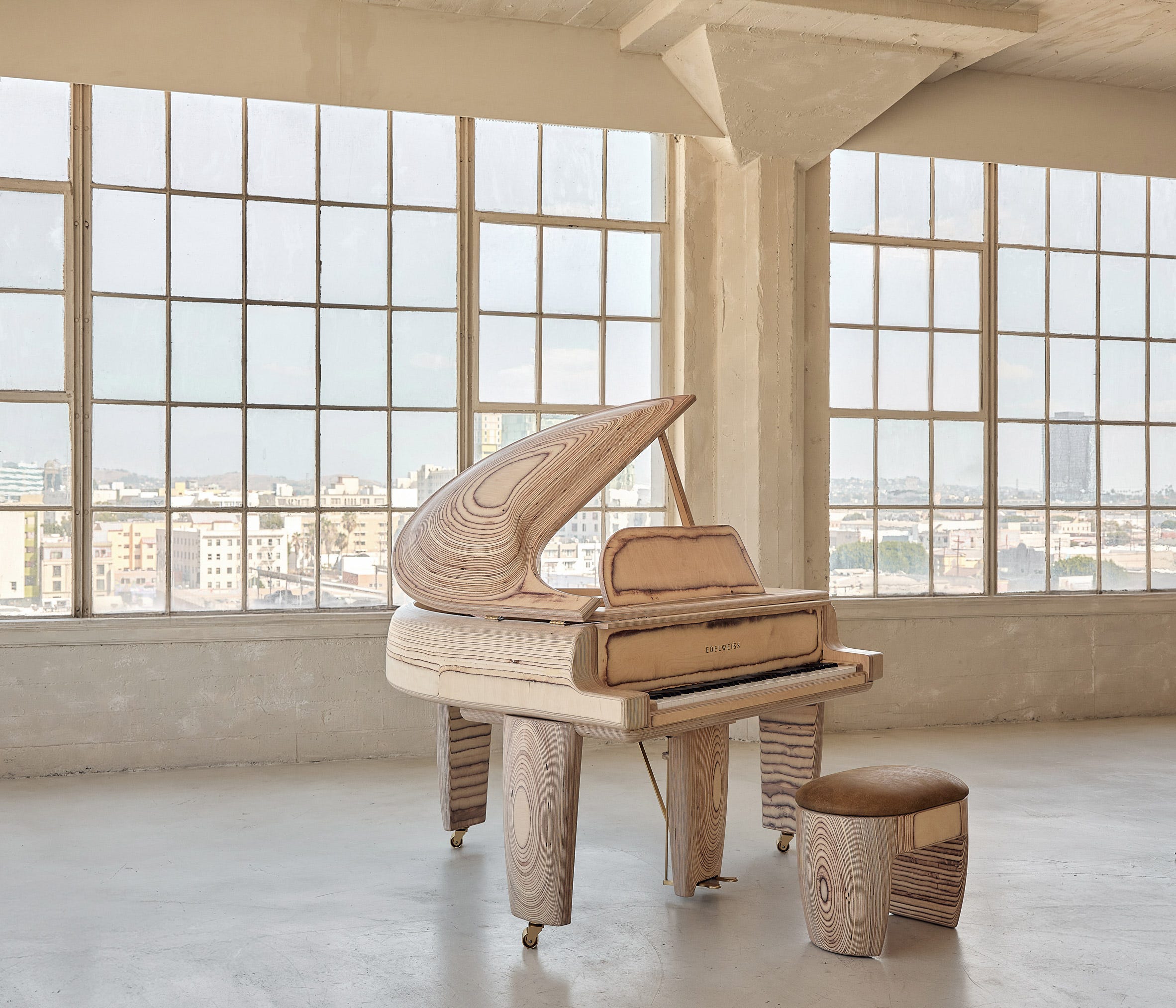
His Piano Concerto for the Left Hand was written for a pianist who had lost his right arm in World War I.
The entire piece is played with just the left hand.
Which sounded like a curiosity at first. A technical challenge.
But when I pressed play, curiosity turned into something else entirely.
When Sound Becomes Structure
A few minutes into the piece I closed my eyes.
And suddenly I wasn’t just hearing music.
I could see it.
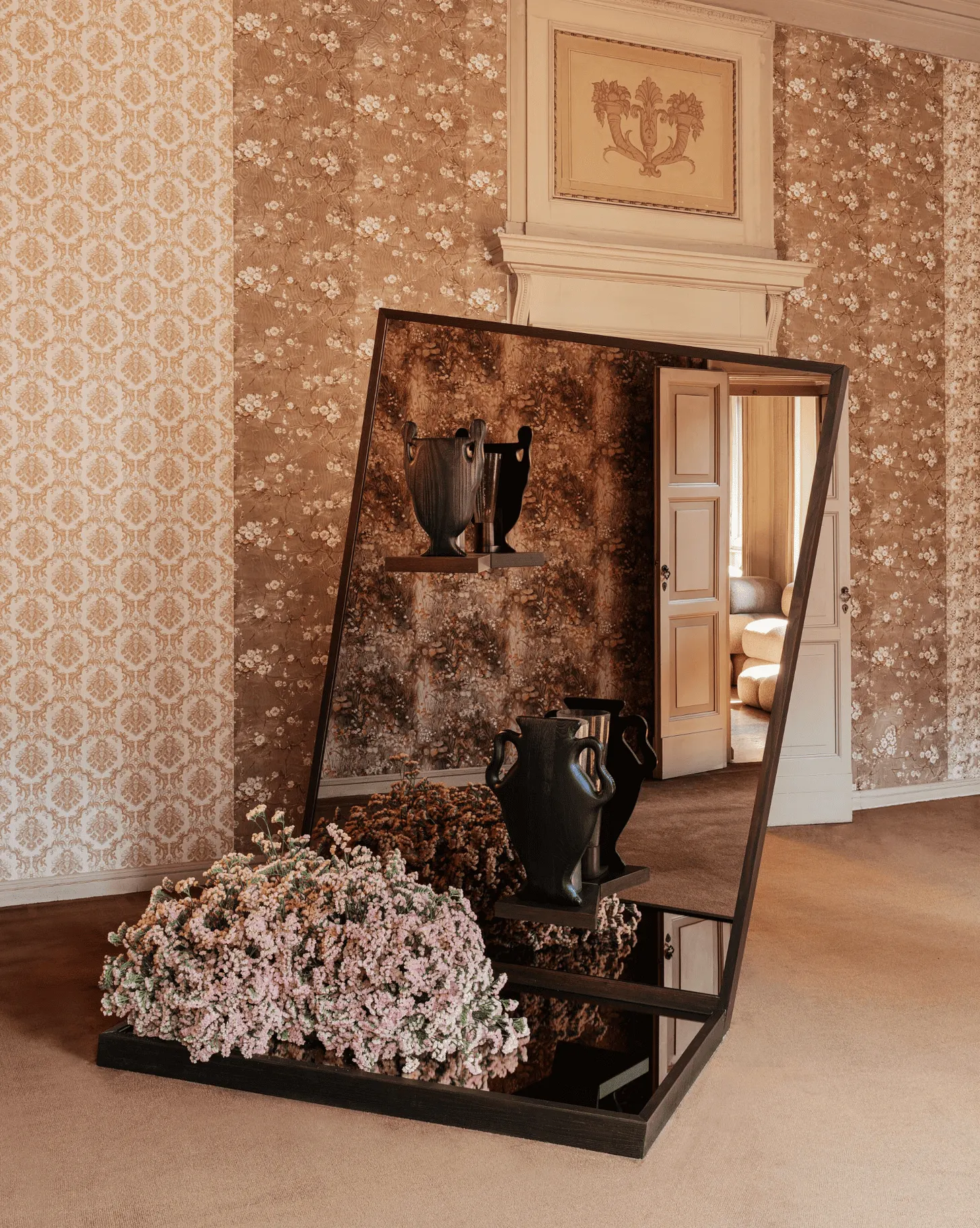
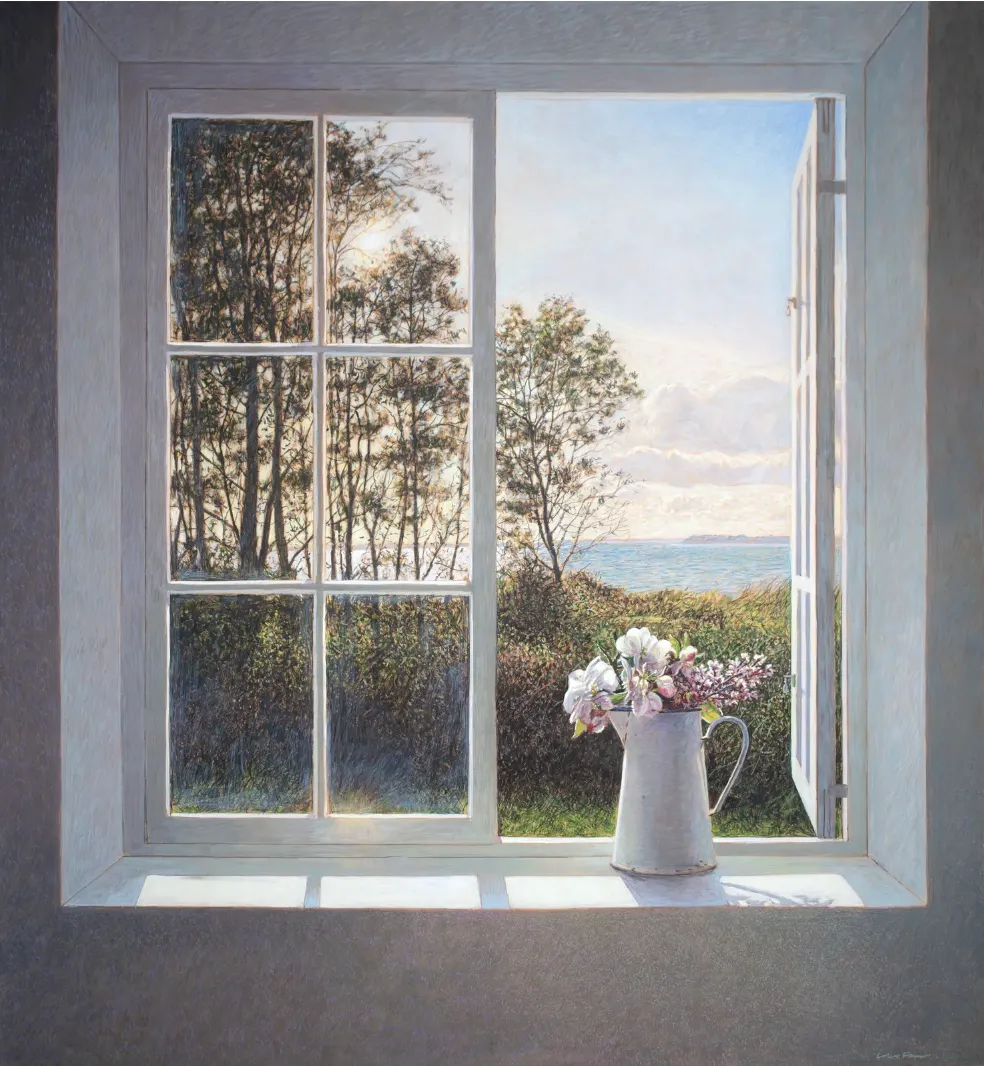
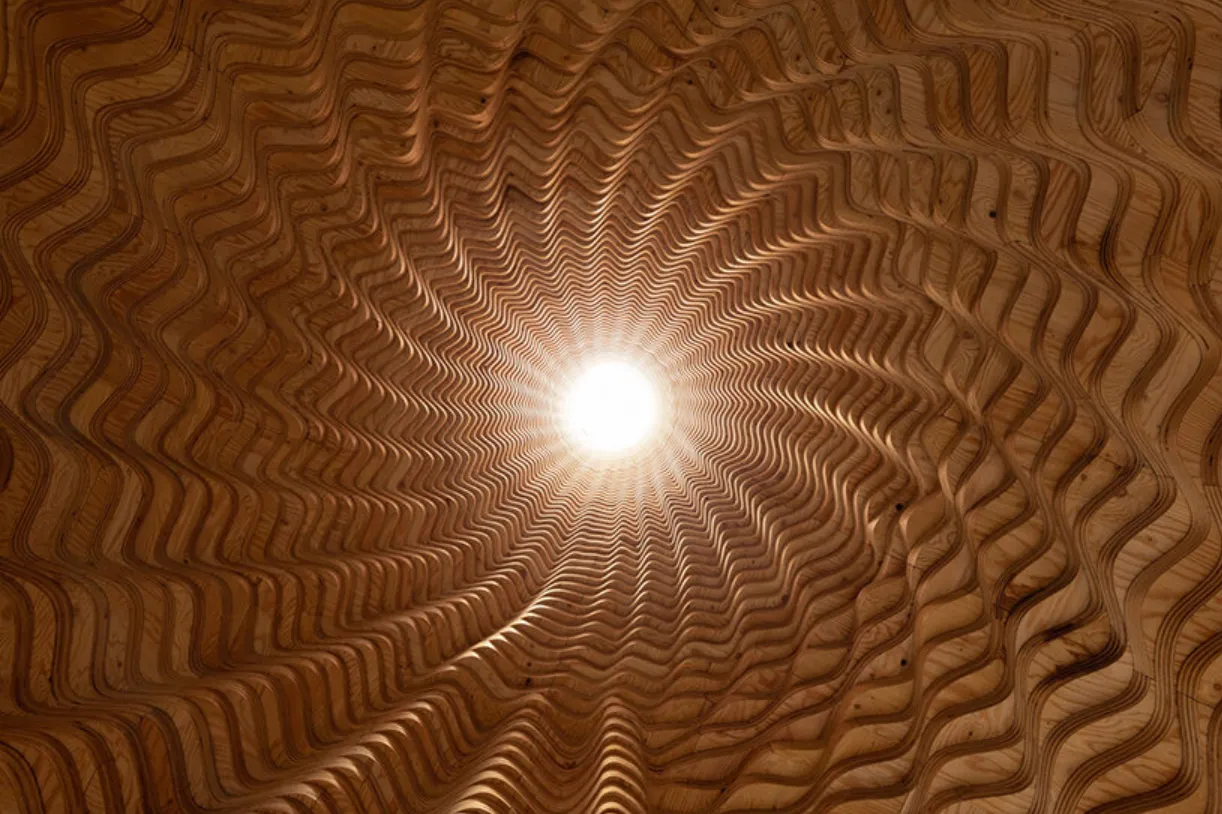
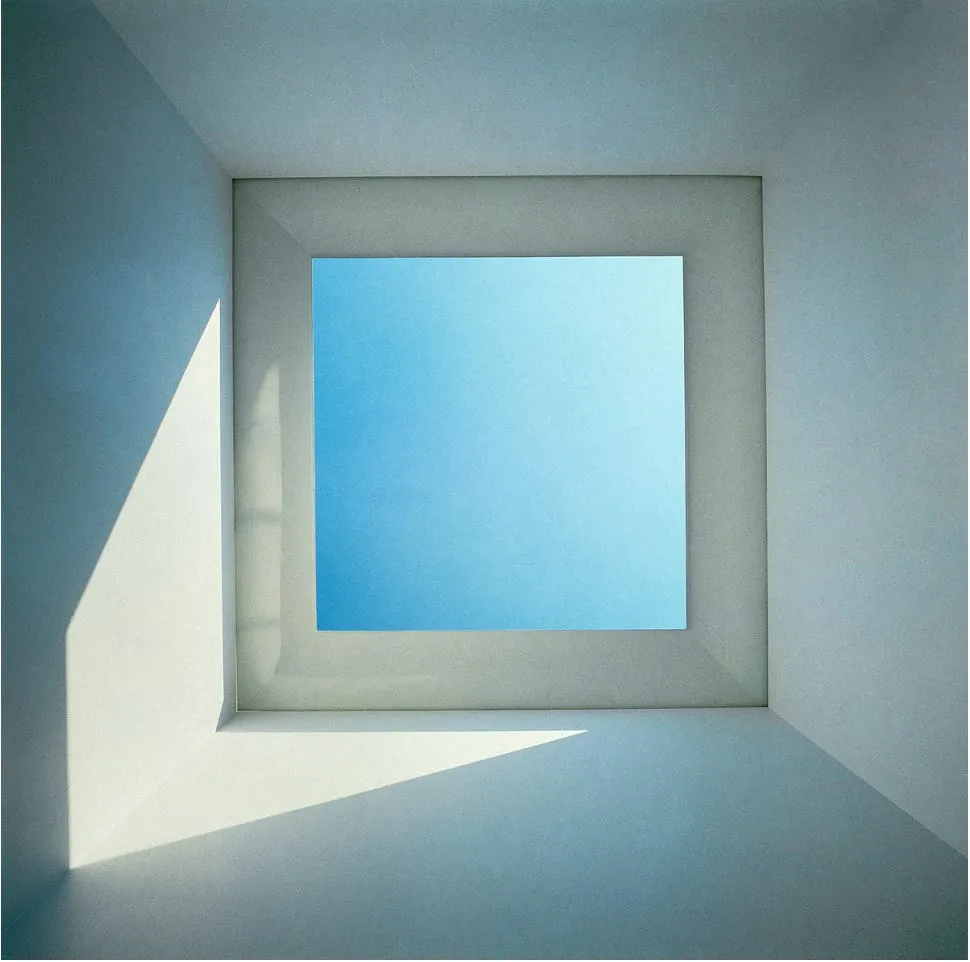
Low notes opened like a cavern. The orchestra moved like walls rising around a space. The piano would stretch upward and it felt like a ceiling lifting or a window opening somewhere above me.
At one point I had the very distinct feeling that I was walking through a castle. Up and down staircases. Turning corners into secret rooms. Moving through corridors that only existed for a few seconds before dissolving into the next passage.
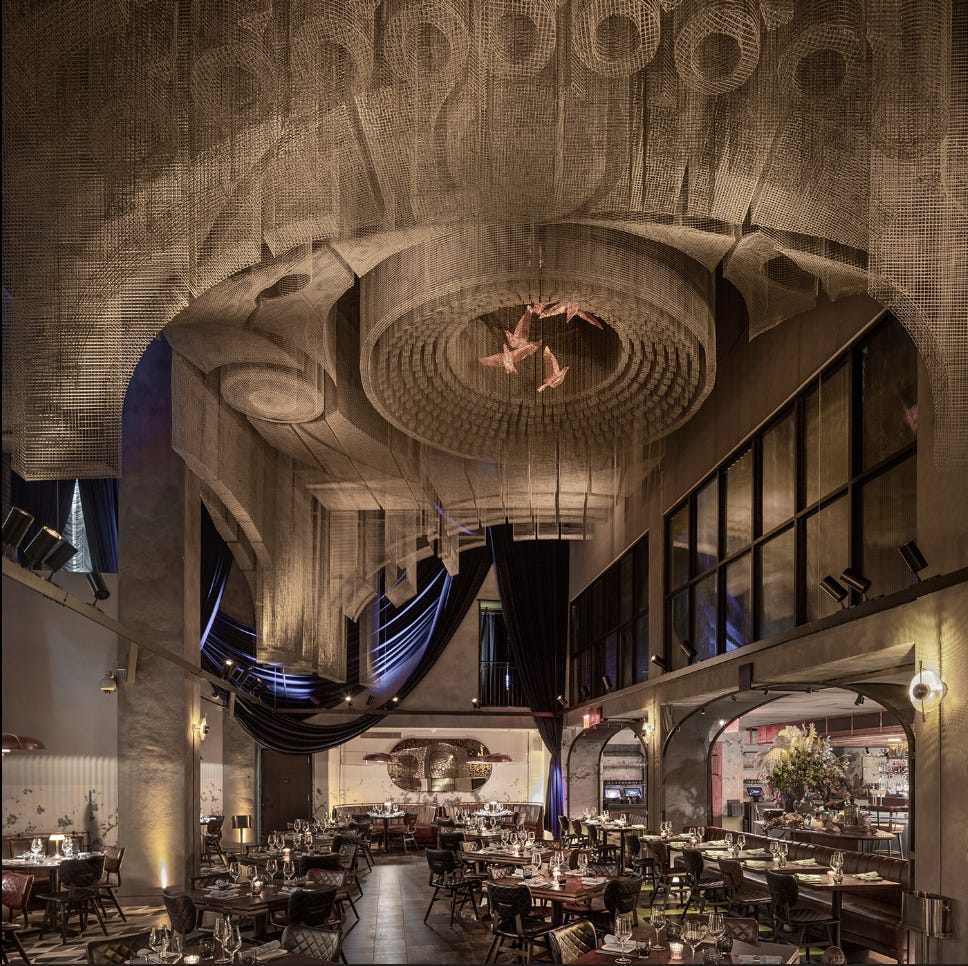
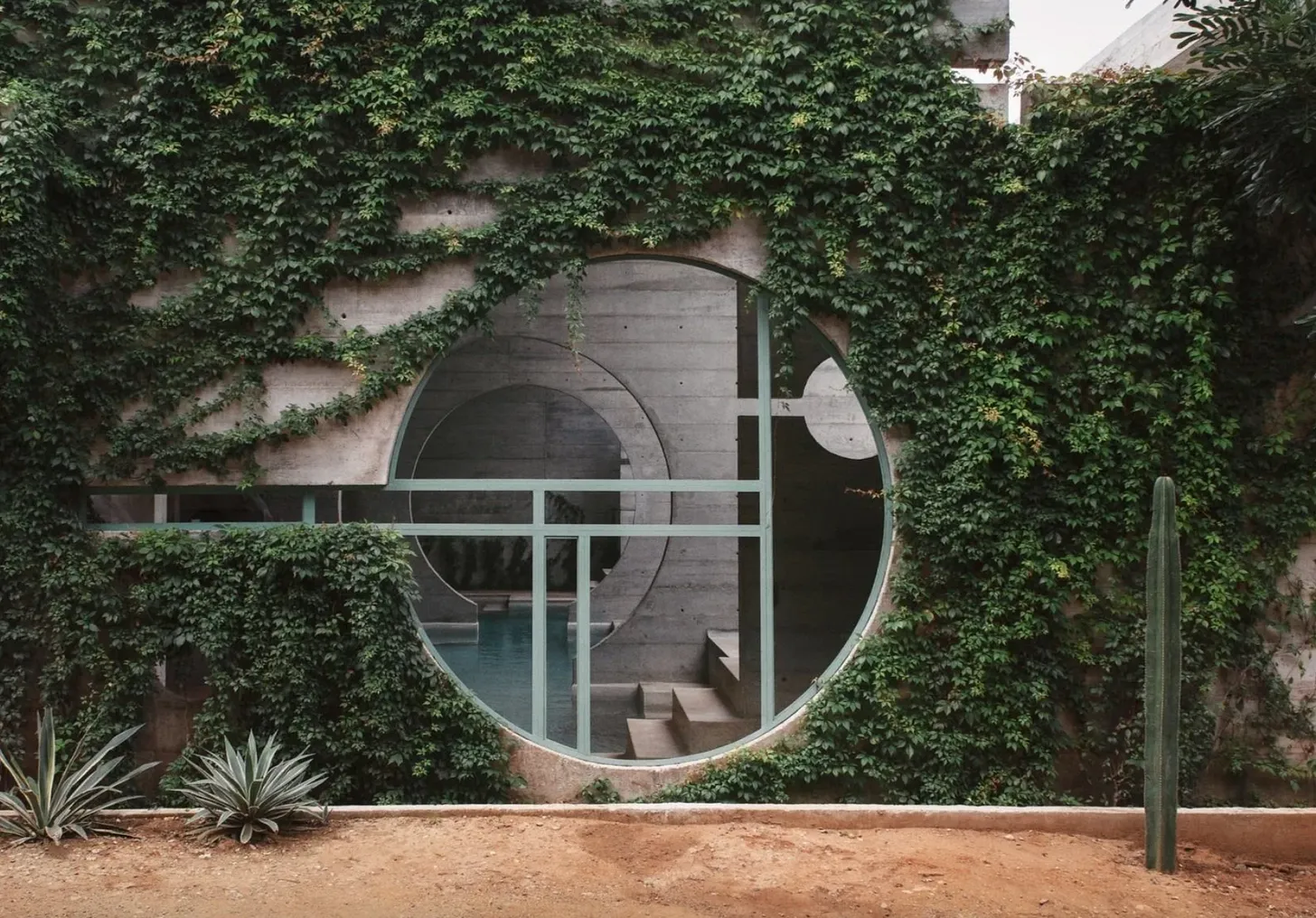
It didn’t feel metaphorical. It felt spatial.
Which turns out not to be that strange.
Neuroscientists have shown that the brain constantly blends sensory systems together. Sound, space, and vision don’t live in separate compartments. The brain stitches them into a single experience.
So when music builds tension and release, the brain often interprets that as movement through space.
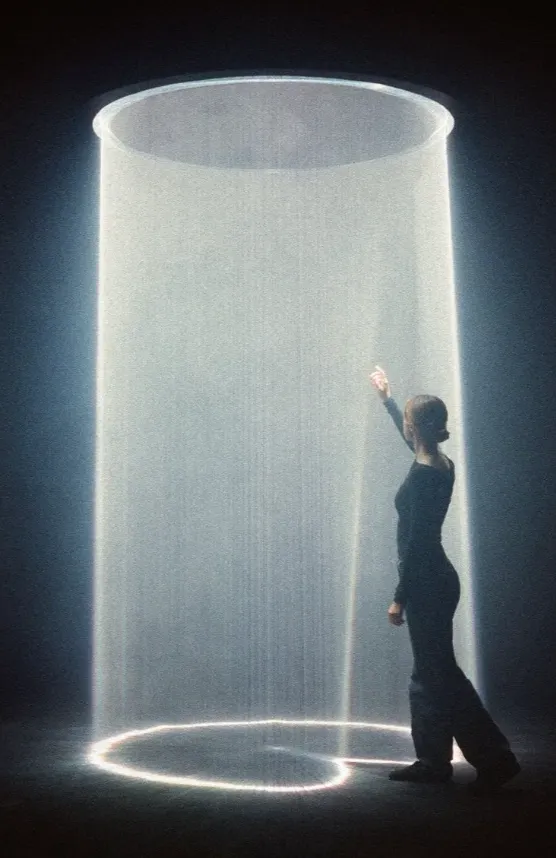
Listening can feel like walking through a structure that only exists for a few minutes.
The Two-Brain Professions
The longer I listened, the more I kept thinking about how similar musicians and architects actually are.
Both disciplines require a very unusual combination of thinking.
One part of the brain has to imagine something emotional and expansive. Atmosphere. Drama. Movement.
The other part quietly manages the structure underneath. Rhythm. Timing. Proportion. Geometry.

Music feels expressive and free, but underneath it is mathematics.
Architecture feels intuitive and artistic, but underneath it is engineering.
Both are solving structural problems while simultaneously designing a feeling.
And when they work well, you don’t notice the structure at all.
You only notice the experience of moving through it.
What the Brain Does With Music
There is another reason certain music can feel so immersive.
Studies on awe show that when humans encounter vast sensory experiences such as orchestral music, large architectural spaces, or sweeping landscapes, activity in the brain’s default mode network decreases.
That network is responsible for the internal narration constantly running in the background of our lives.
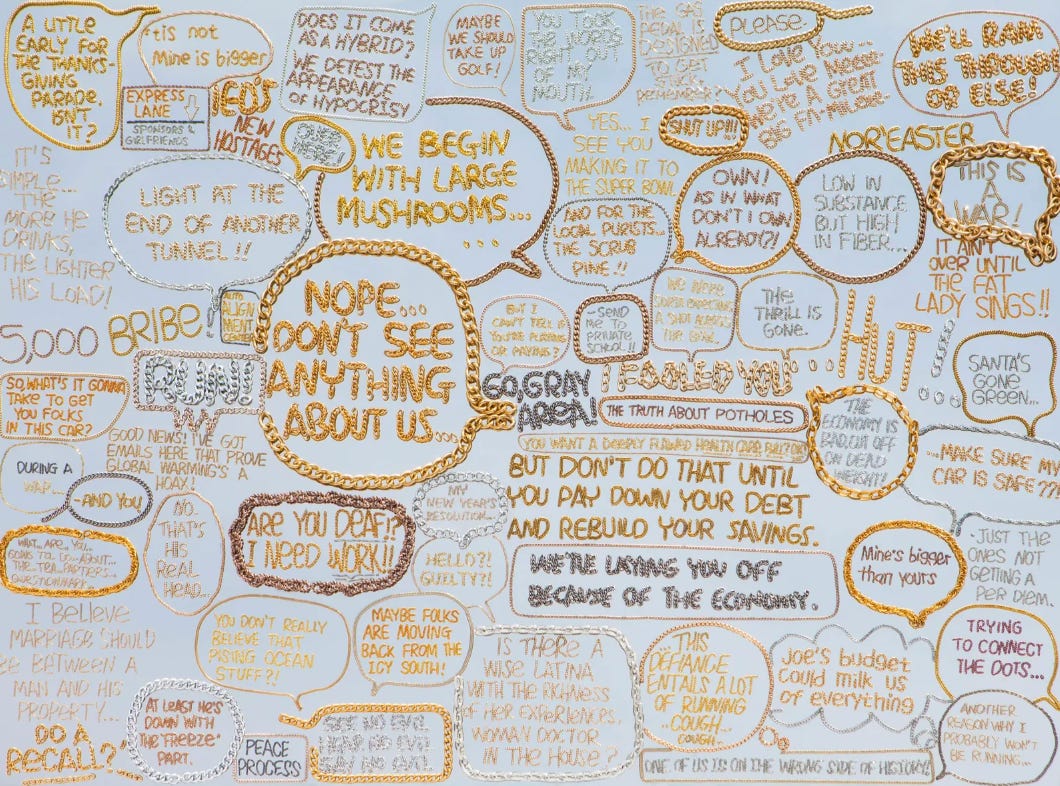
The voice that says
What’s next?
Did I send that email?
Why did I say that earlier?
For a moment, it quiets.
Your attention shifts outward.
Which might be why certain concert halls or cathedrals feel so powerful. The scale of the sound and the space nudges the brain into a different mode of perception.
Less narration.
More presence.
The Constraint
What makes Ravel’s concerto even more fascinating is the limitation.
One hand.
Instead of shrinking the music, the constraint forced the composition to become more inventive. The left hand moves constantly across the keyboard, creating the illusion of multiple voices at once.
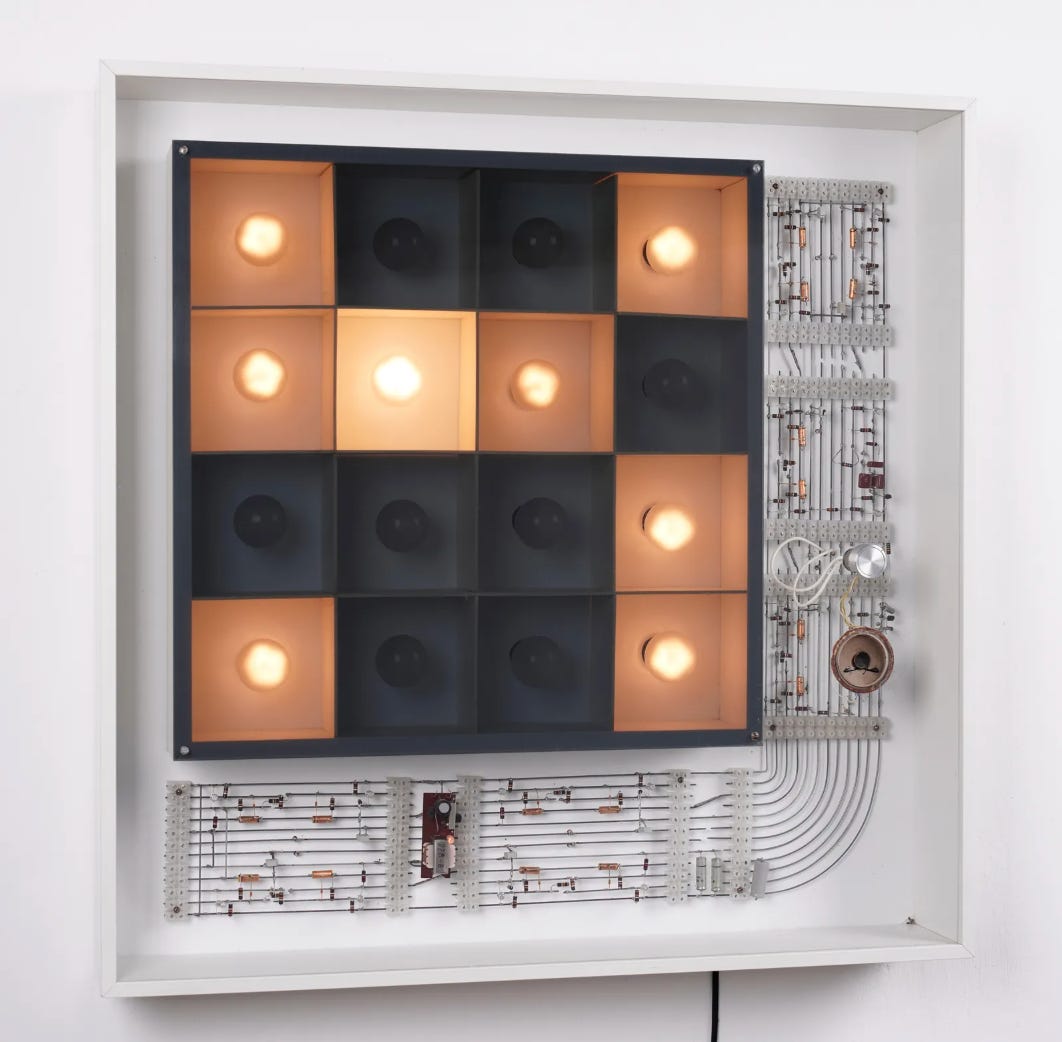
Architects understand this dynamic well.
Odd site conditions. Tight budgets. Structural rules.
Limitations often produce the most interesting work because they force the brain to rethink how something can be built.
The boundaries become part of the design.
Final Thought
Listening to that concerto reminded me of something I’ve always admired about music and architecture.
They both ask the brain to operate in two modes at once.
One part imagining something expansive and emotional.
The other quietly building the structure that allows it to exist.
Without the structure, the feeling collapses.
Without the imagination, the structure is empty.
Ravel somehow built an entire world with one hand.
And if you close your eyes while listening, you might find yourself walking through it.
Maybe even through a castle.
💌Elle
P.S. If you try this listening experiment, I’m curious what kind of architecture your brain builds. A cathedral? A tunnel? A castle? Let me know.




.svg)


.svg)































.webp)

.webp)

.webp)
.webp)
.webp)



-min.webp)