
On Holding Space

I’ve been thinking a lot about what it actually means to hold space.

Not as a phrase, but as a felt experience. The kind you recognize immediately when you’re inside it. And the kind your body misses when it’s gone.
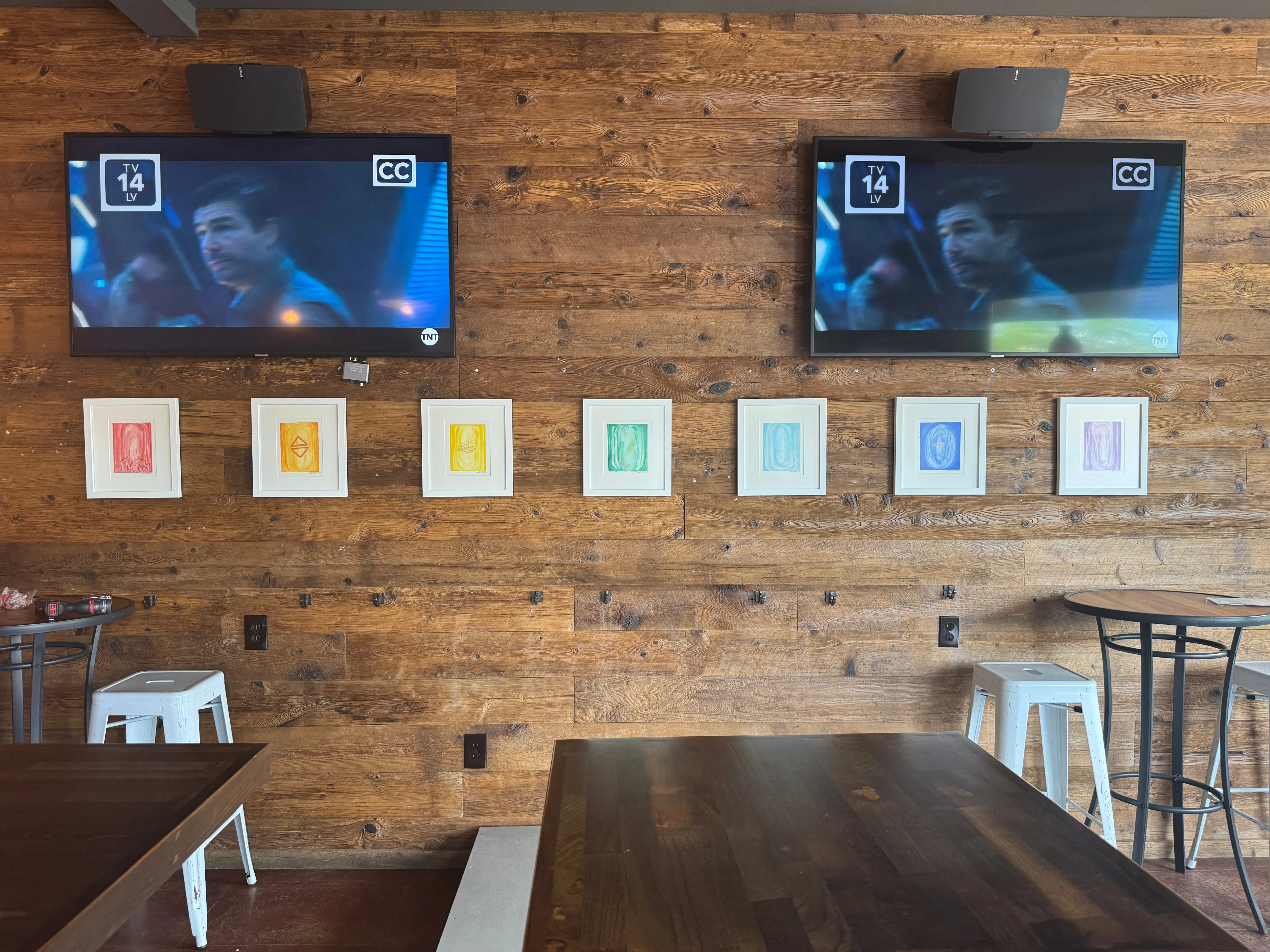
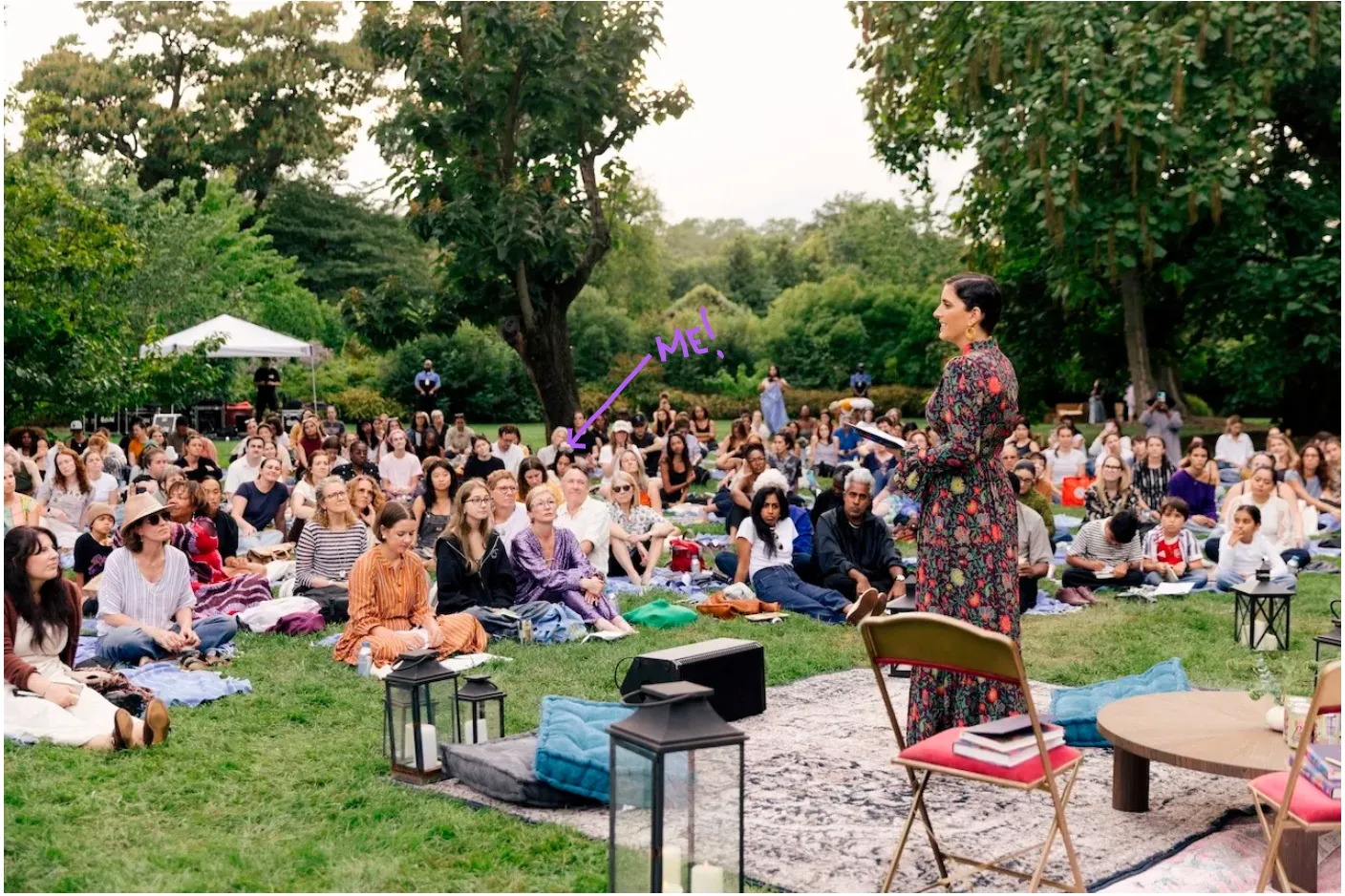
I felt this clearly while hosting a recent vision boarding workshop. I set the container intentionally—soft lighting, physical materials, a clear beginning and end. Palo santo as a threshold, not as performance. After opening the floor for introductions and intentions, I guided a short visualization and then stepped back.
What happened next wasn’t something I could have directed. People inspired one another. Patterns emerged organically. Insight moved laterally through the room. My role wasn’t to interpret or steer, but to hold the conditions steady enough for everyone to arrive at their own conclusions.
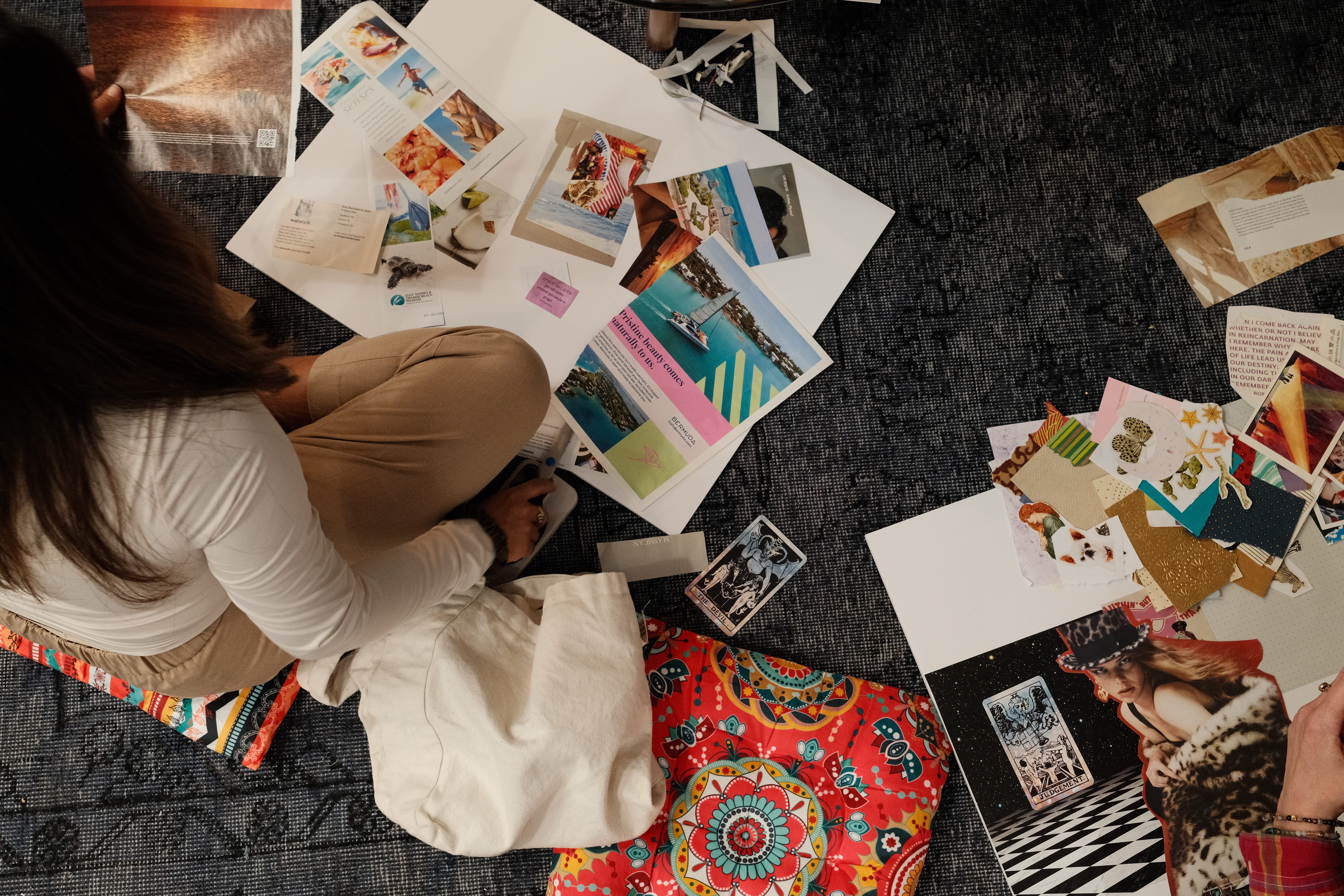
That experience reminded me that holding space is less about guidance, and more about restraint.
Psychologist D. W. Winnicott described this as a holding environment—a supportive container that allows a person to explore, create, and self-regulate without fear. When that environment exists, the nervous system relaxes. When it doesn’t, we stay braced, alert, performing.
You don’t need the theory to feel the truth of it.
The body knows when it’s being supported without being managed.
In human terms, holding space looks like allowing pauses. Listening without correcting. Letting someone be mid-thought, mid-feeling, mid-becoming. That balance—supported but free—is what allows honesty to surface.
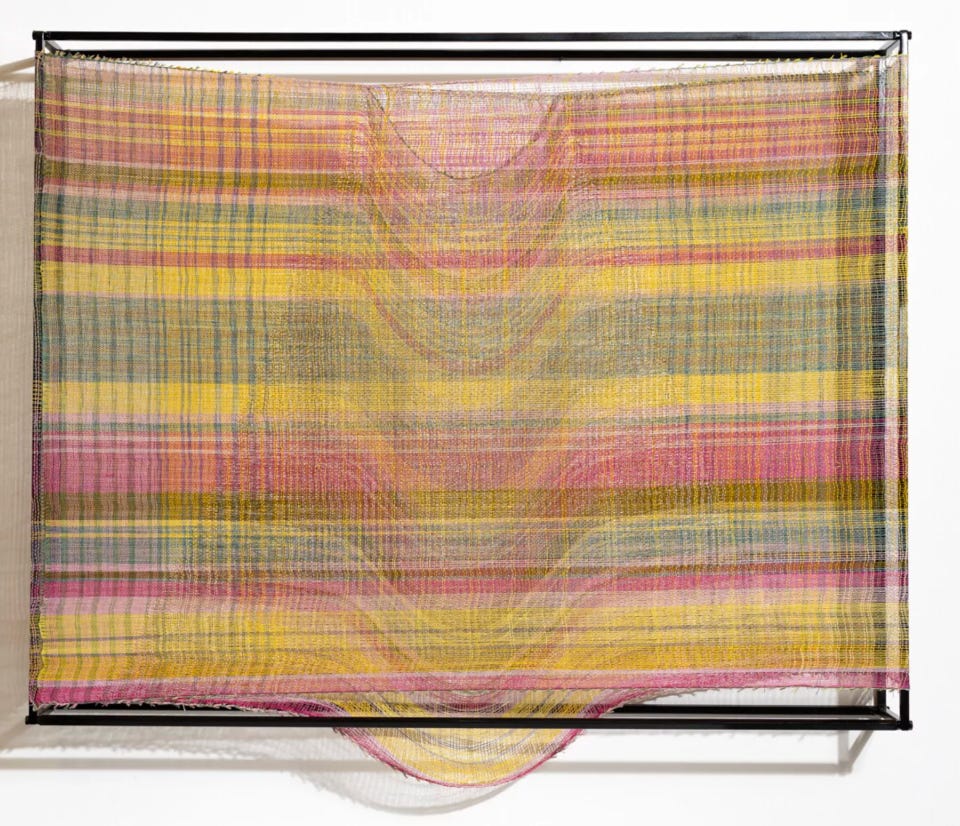
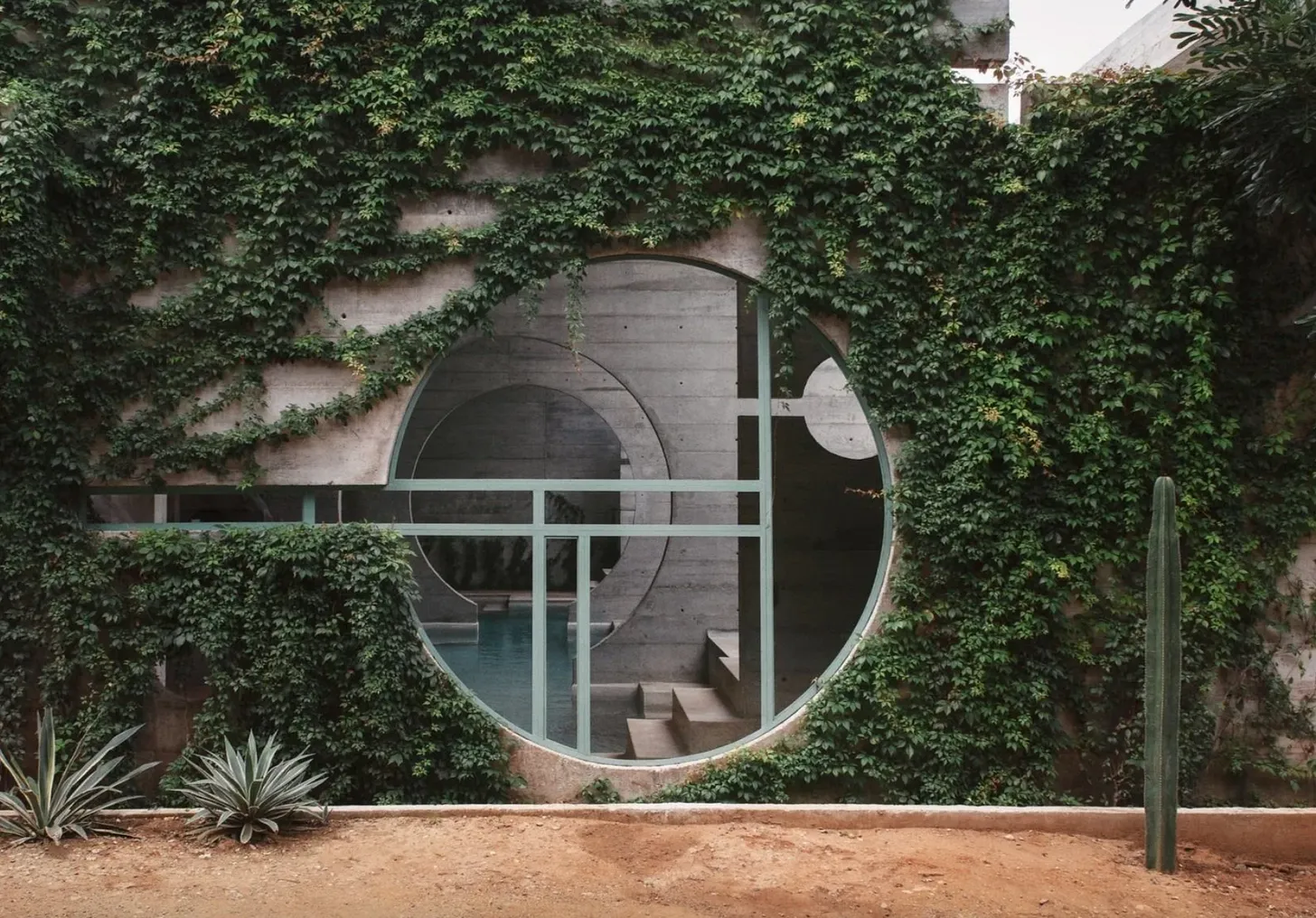
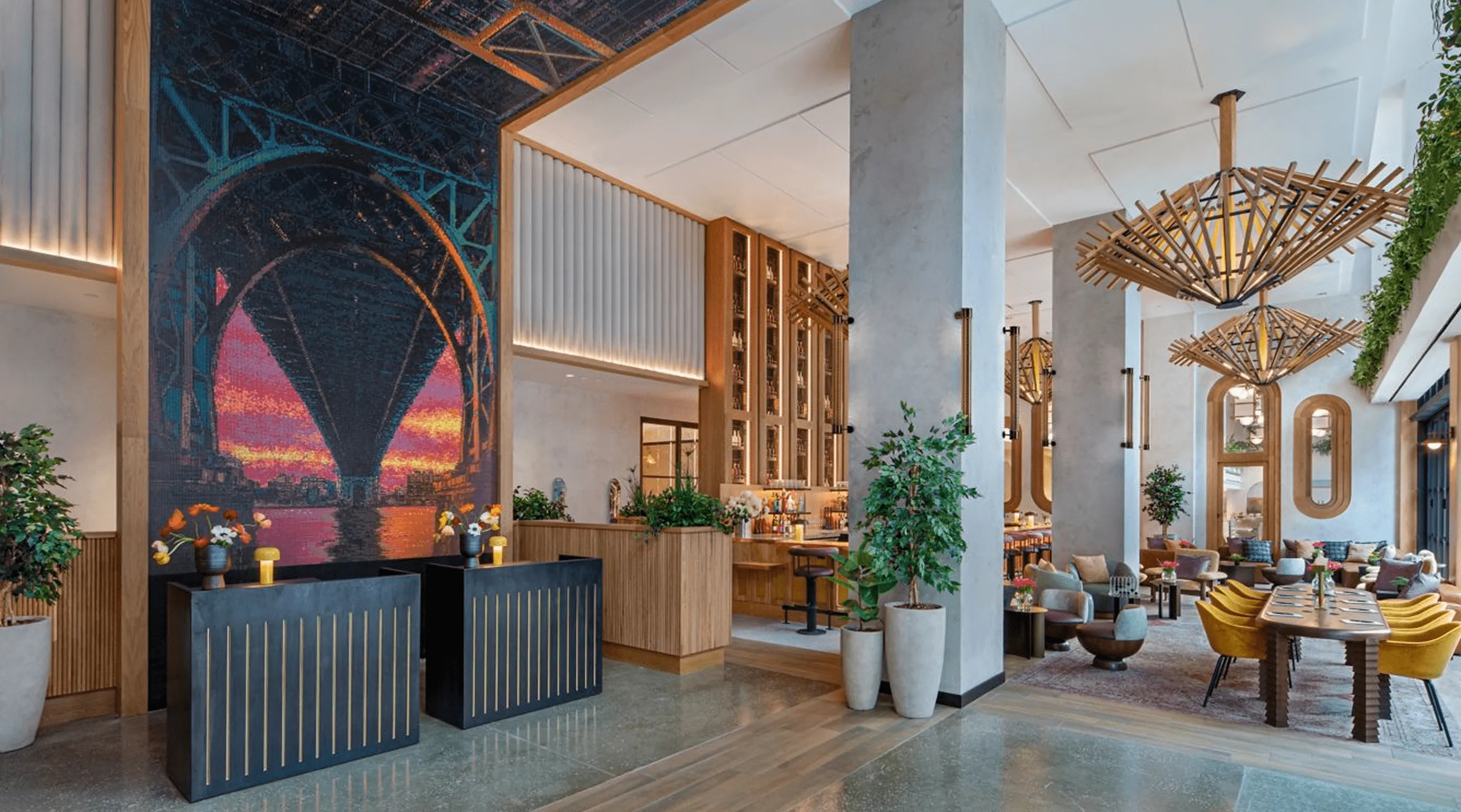
Design operates on the same principles — often more quietly, but just as powerfully.
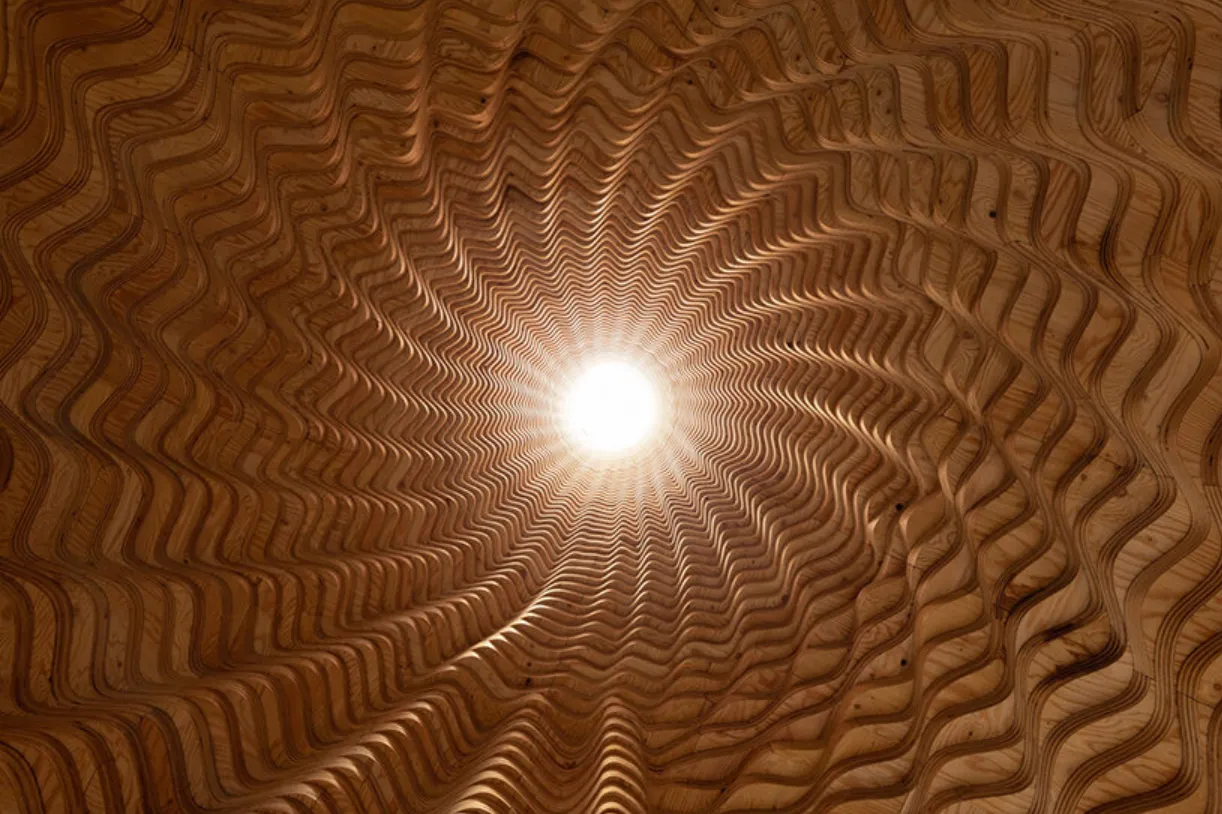
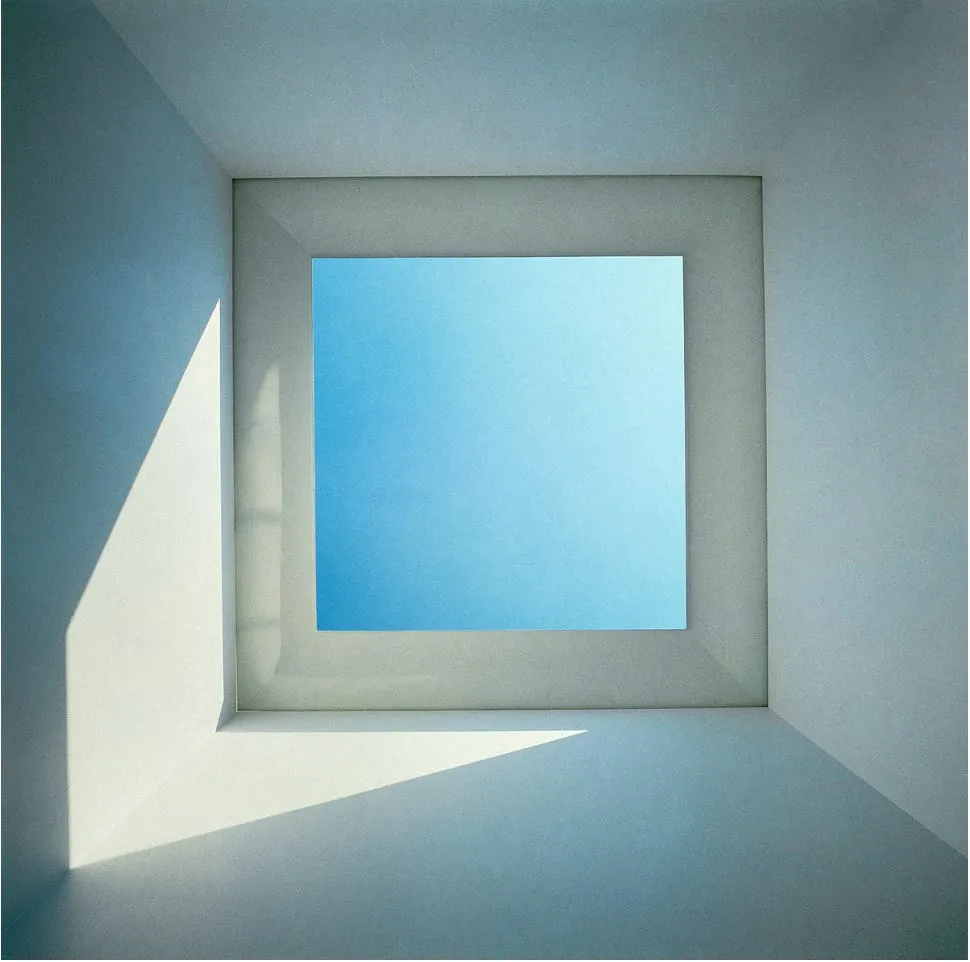
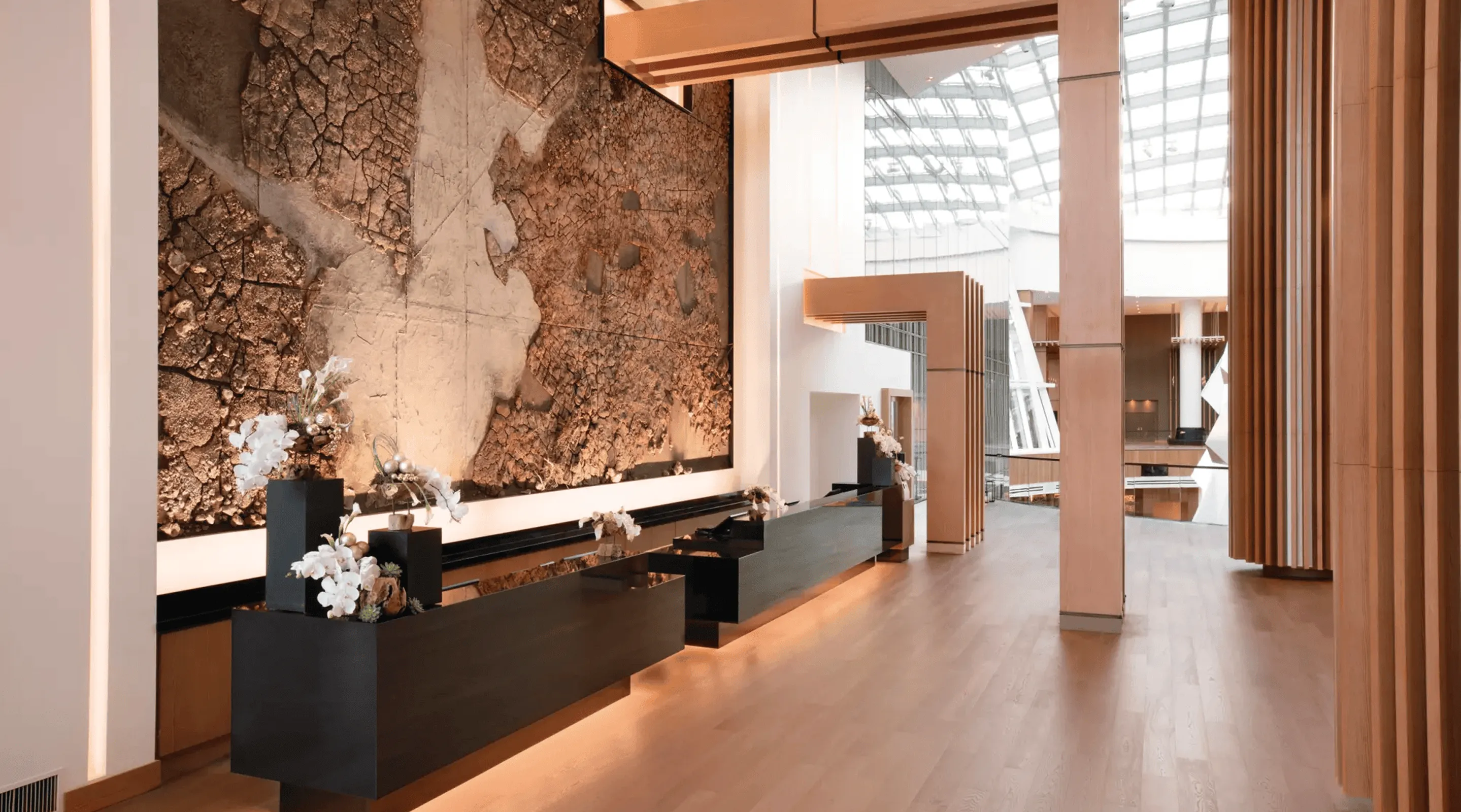
Architect Kengo Kuma has long spoken about architecture as something that should dissolve rather than dominate. He designs buildings that recede, soften, and make room for the human experience instead of overpowering it. His use of natural materials, filtered light, and porous boundaries is intentional — meant to support the body rather than direct it.
Kuma has said that architecture should be a “gentle background for life.” Not the main event, but the thing that allows life to unfold comfortably within it.
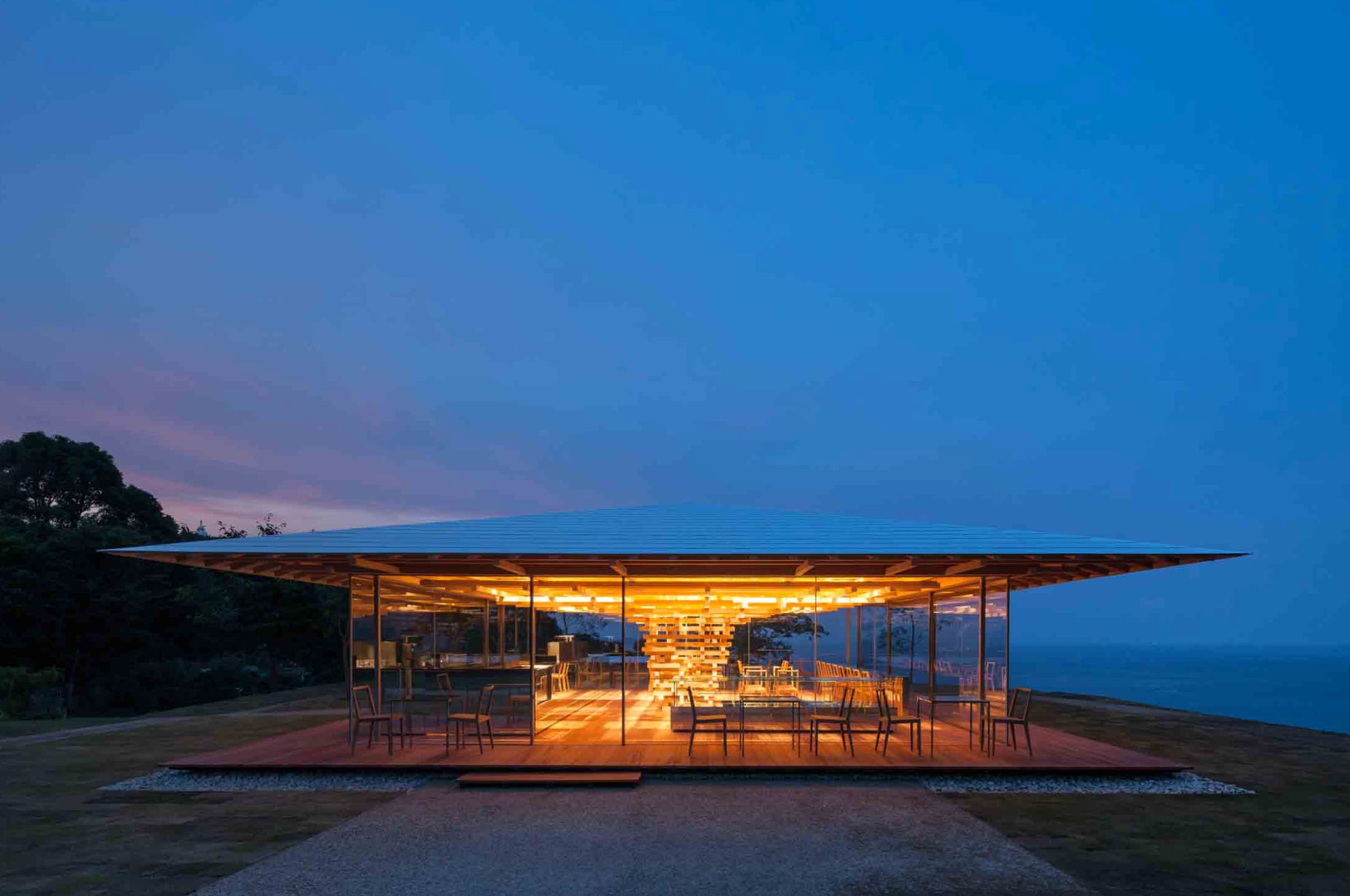
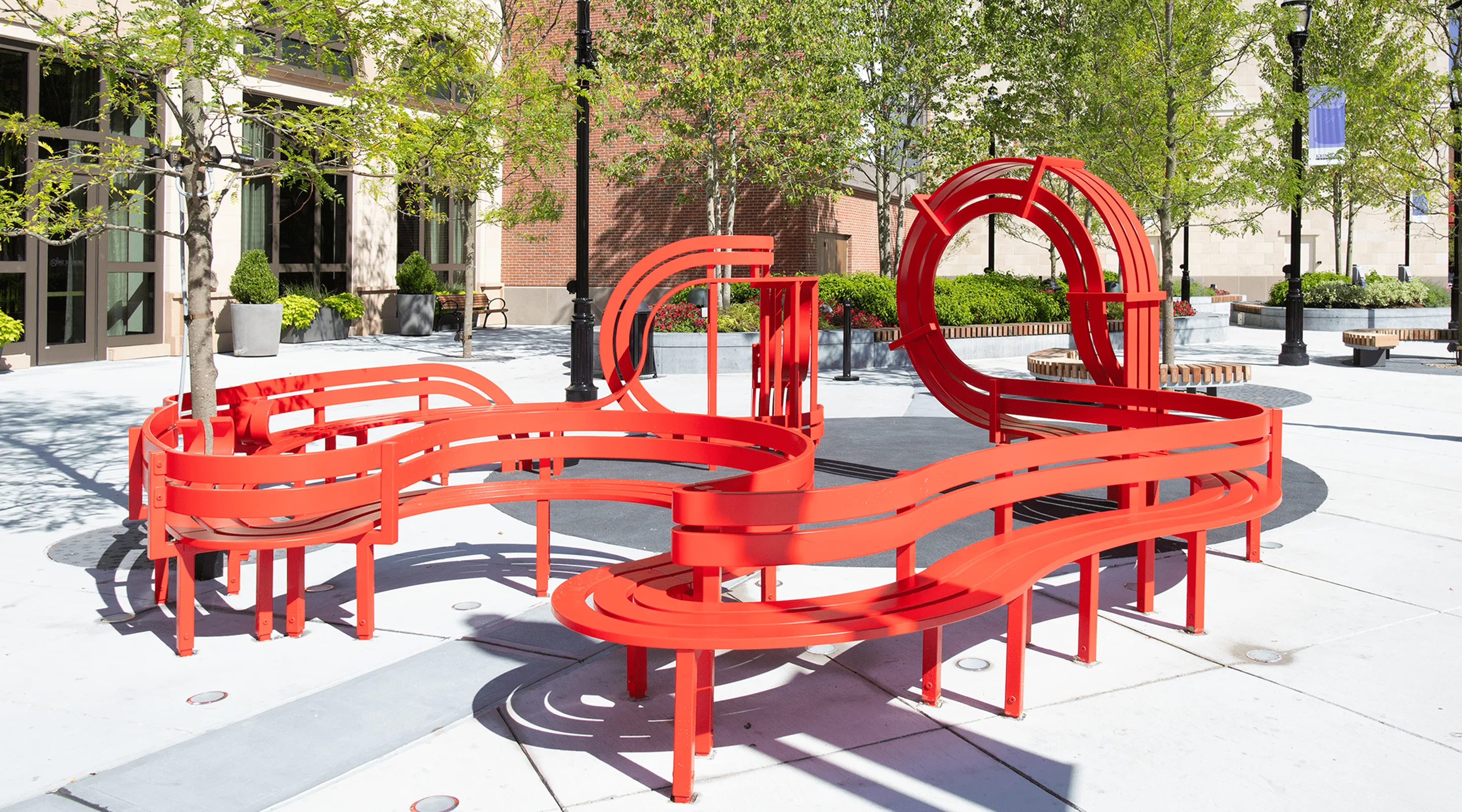
The best spaces don’t force interaction.
They offer options.
They reassure the nervous system without demanding attention.
Environmental psychologists have shown that environments with clear structure and personal choice reduce stress and cognitive load. In other words, people relax when they know where they are—and feel free within it.
This week, with the holiday, I’ve been thinking about how this applies around family tables and familiar dynamics. Holding space sometimes means listening as someone talks through their year—without fixing, comparing, or redirecting. And sometimes it means stepping into another room to regulate yourself first, so you can return present instead of reactive.
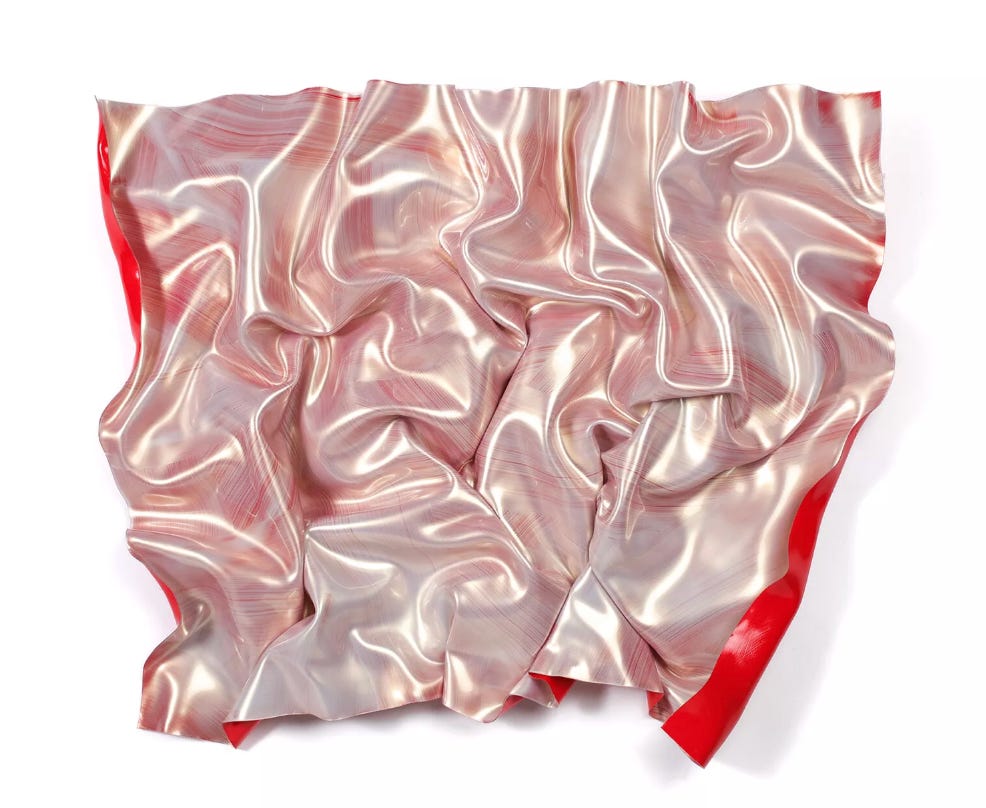
Holding space is a form of care.
It says: there’s time.
It says: you don’t need to perform.
It says: this is enough.
In a world that constantly asks us to produce, optimize, and explain, holding space is a subtle act of resistance—one that reminds us that the most meaningful things tend to emerge not when we push, but when we allow.
💌 Elle
P.S. Happy holidays, everyone. Don’t miss me too much next week—I’ll see you in the new year✨



.svg)

.svg)















.webp)
.webp)
.webp)
.webp)
.webp)
-min.webp)