
Personal Power, By Design
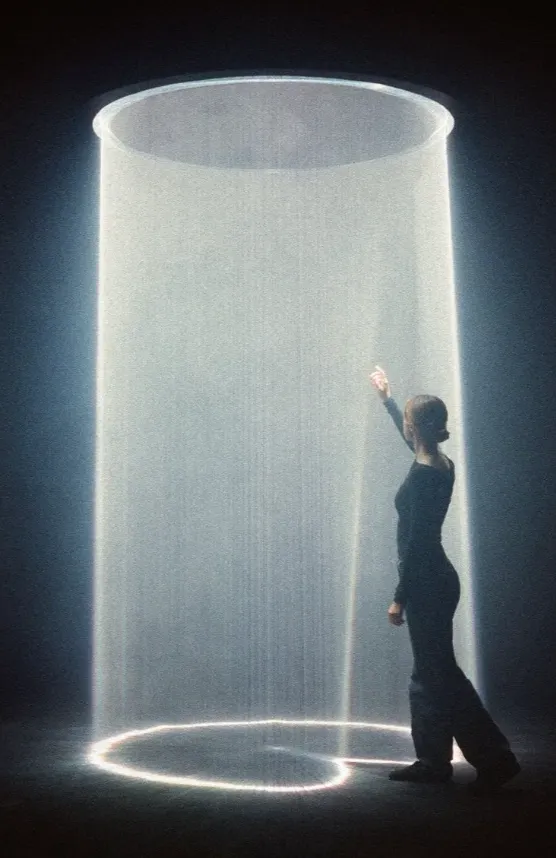
Lately I’ve been thinking about personal power—not the glossy, influencer kind, but the grounded version that feels like an internal “click.” A remembering. A settling into yourself.
What I keep coming back to is simple:
personal power isn’t an attitude; it’s a design decision.

It’s something you can build.
Arrange.
Renovate.
Support with structure the same way you support a beautiful space.
Power has an architecture
Frida Kahlo is the clearest example of this. She didn’t wait to feel strong. She built an entire creative ecosystem—rituals, color, atmosphere—that helped her be strong even when her body wasn’t. Casa Azul wasn’t a backdrop. It was a power source.
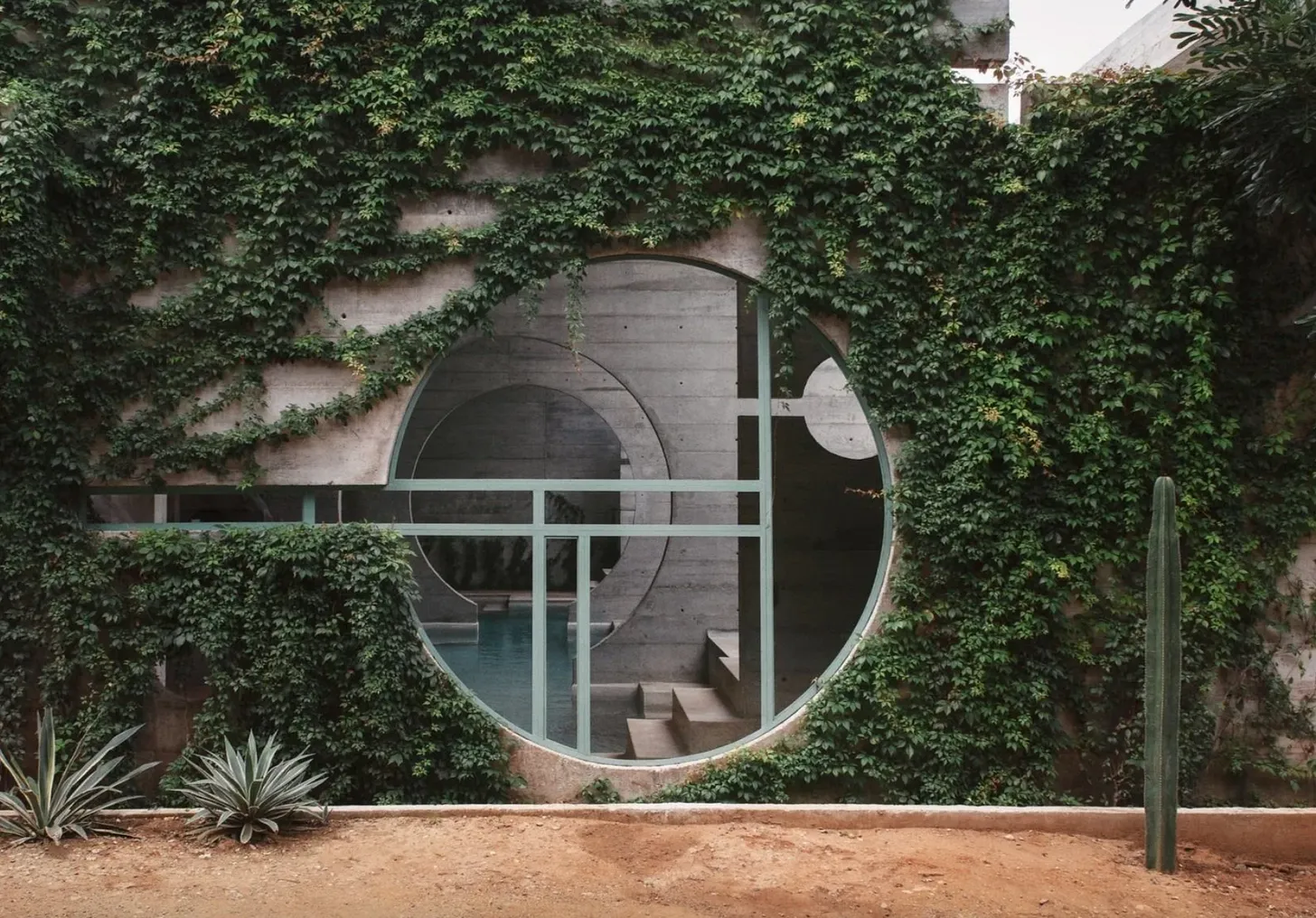
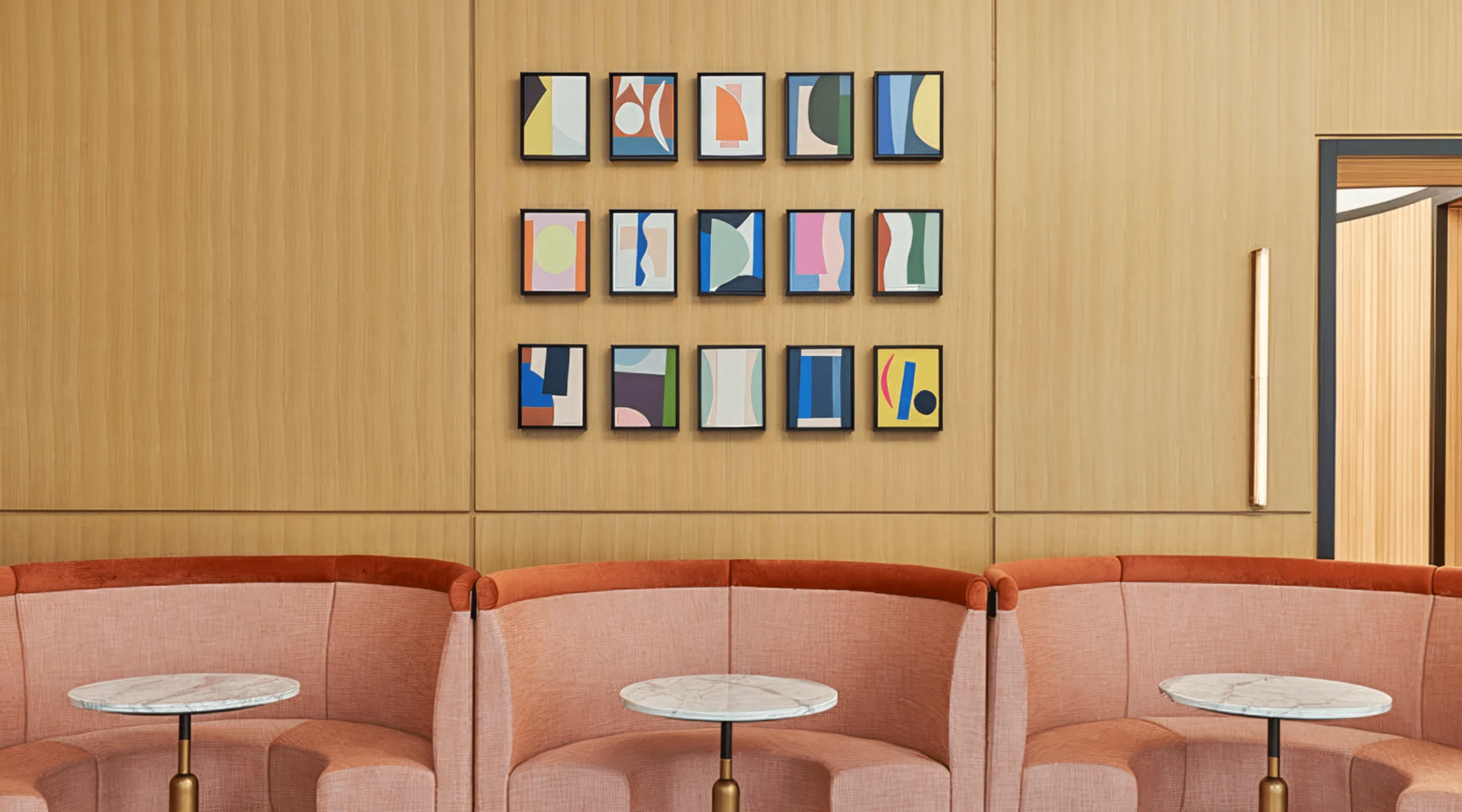
Kelly Wearstler does it differently but with the same conviction. Her rooms don’t ask for permission—they take shape. They take space. They command. Walk into one and your spine straightens without you realizing it.

Your personal power works the same way.
It’s not a vibe.
It’s a layout.
A structure made up of your habits, your boundaries, your environment, your sensory cues, your self-respect.
If the structure is weak, power leaks.
If it’s strong, power lands.
How design changes you (and your power) instantly
Last month I walked into a restaurant where the ceiling was so low and the lighting so clinical I physically felt myself shrink two inches. No one said anything. The space did the talking.
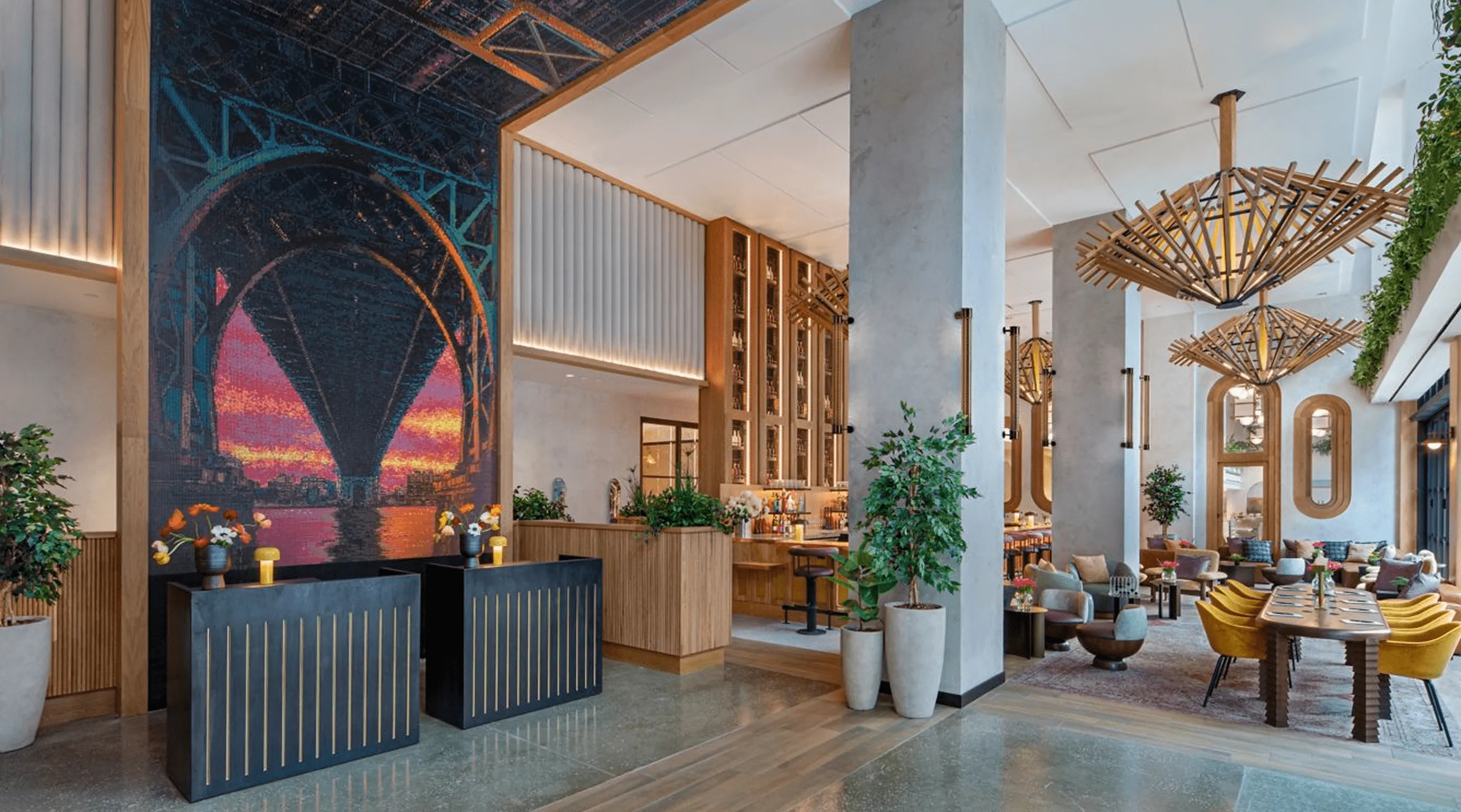
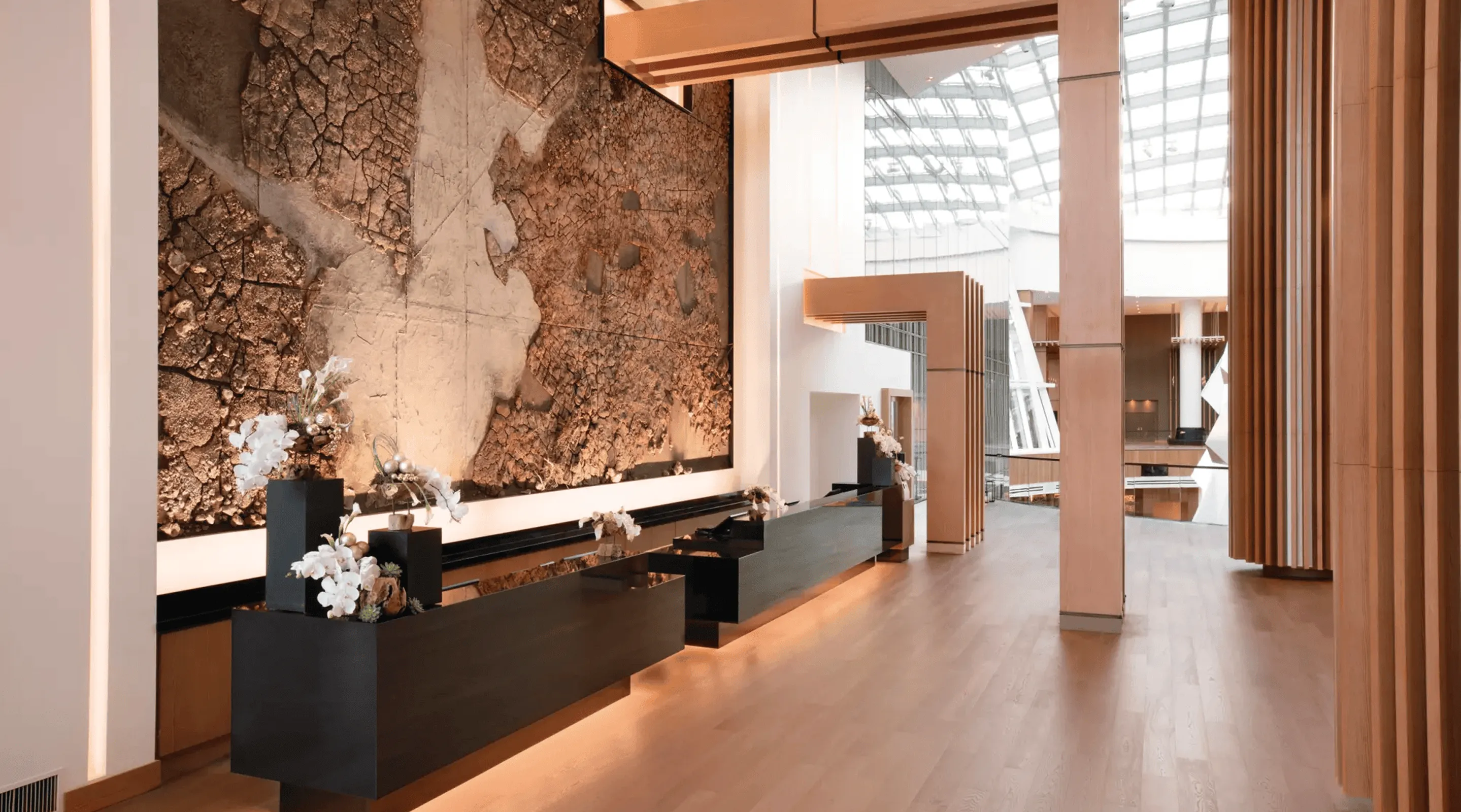
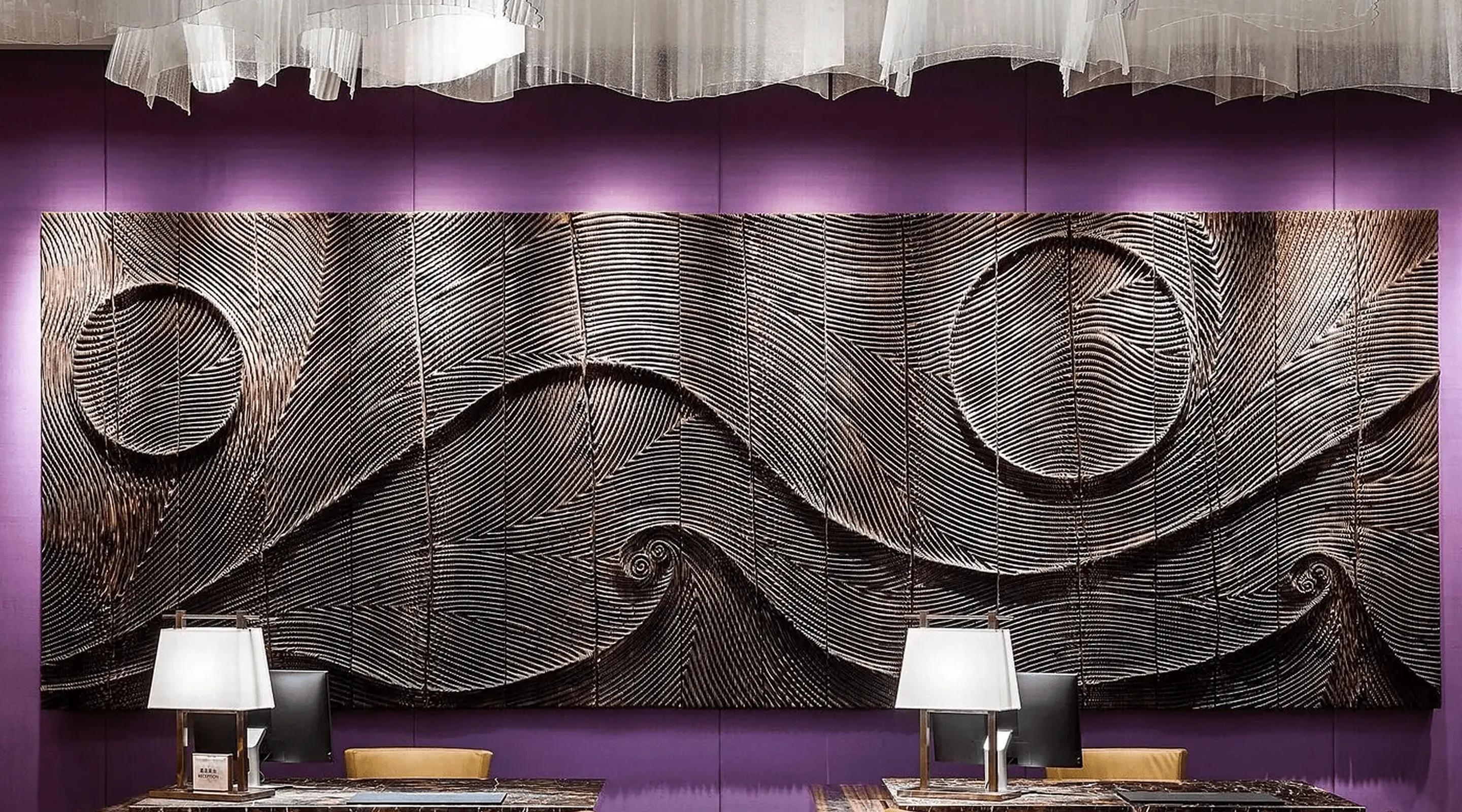
Then two days later I stepped into a hotel lobby where the marble reception desk was oversized—intentionally, impossibly oversized. It was almost ceremonial. I watched three people straighten their posture just by approaching it.
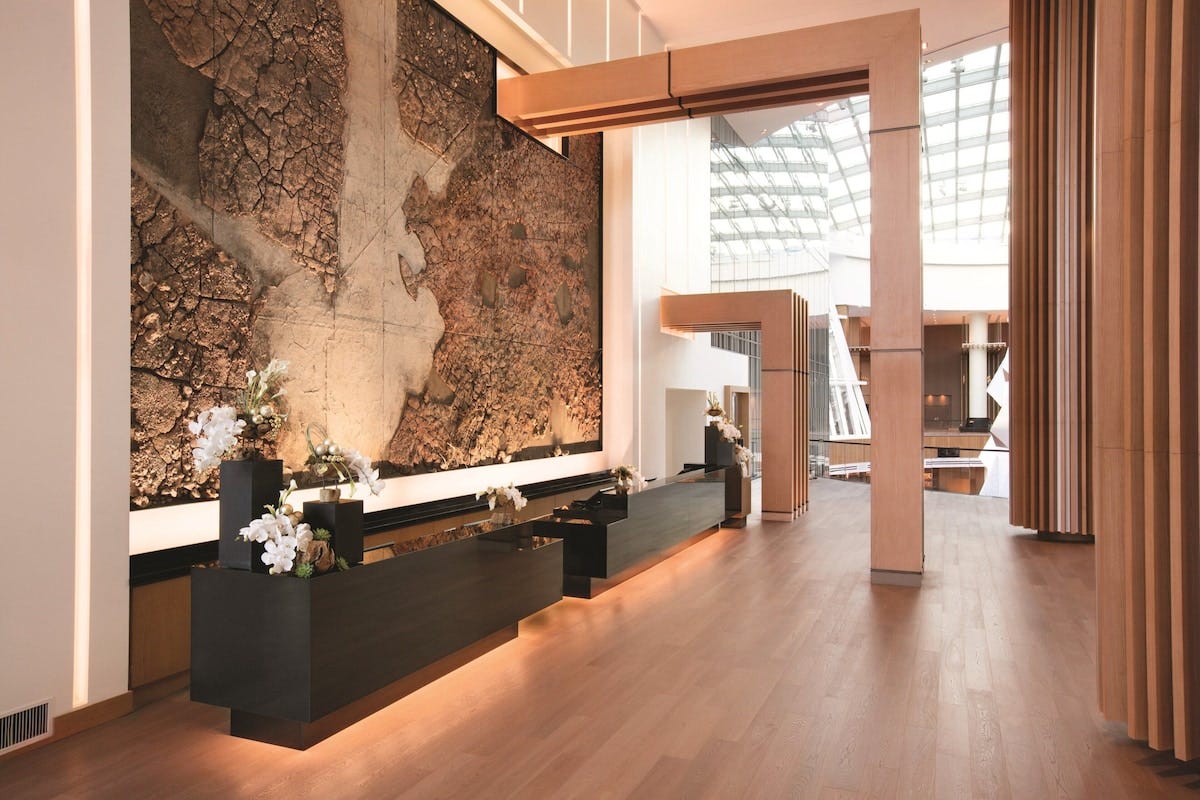
Scale influences your psychology.
Height expands you. Compression contracts you.
Lighting affects your nervous system within seconds.
Textures tell your body whether to soften or brace.
Spatial flow determines whether you move like you belong or like you’re apologizing.
Some spaces make you feel capable.
Some make you fold.
Your body always knows first.
And once you see this, it’s impossible not to connect it to internal design:
the routines, relationships, and boundaries that either expand you or shrink you the same way a room does.
Power isn’t forceful.
It’s spatial.
Designing for expansion
Good designers plan for who will use a space tomorrow, not yesterday.
So here’s the real question:
Is your life arranged for who you’re becoming, or for who you’ve already outgrown?
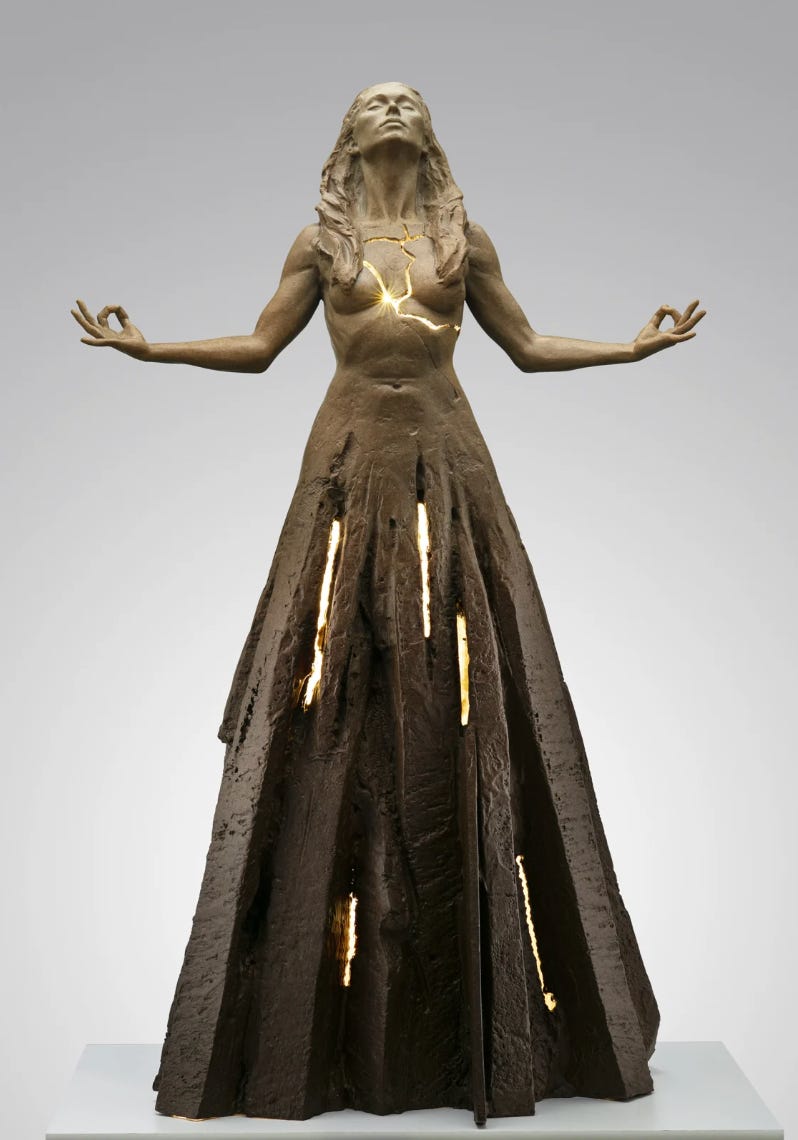
Most people design their lives around outdated versions of themselves—old fears, old roles, old dynamics that no longer fit. But you can redesign. You can create room for the next iteration of you.
A ritual that centers you.
A boundary that protects you.
A room that breathes.
Beauty where your eyes naturally land.
Power grows wherever there is space for it.
The foundation: self-regard
The deepest form of personal power isn’t confidence—it’s self-regard.
The quiet belief that you deserve a life designed with care.
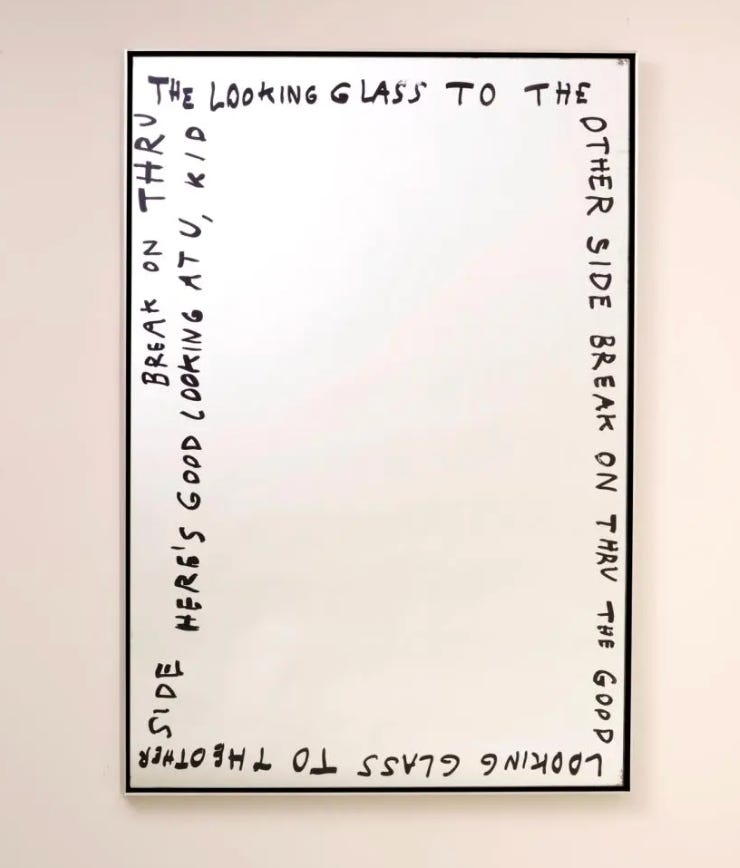
It shows up in the micro-choices:
declining what drains you,
choosing what supports you,
protecting your time,
honoring your body’s cues,
treating your energy like something valuable.
Alice Walker said it best:
“The most common way people give up their power is by thinking they don’t have any.”
Self-regard is what interrupts that.
It teaches you that your life deserves thoughtful architecture.
The renovation
Power isn’t something you stumble into.
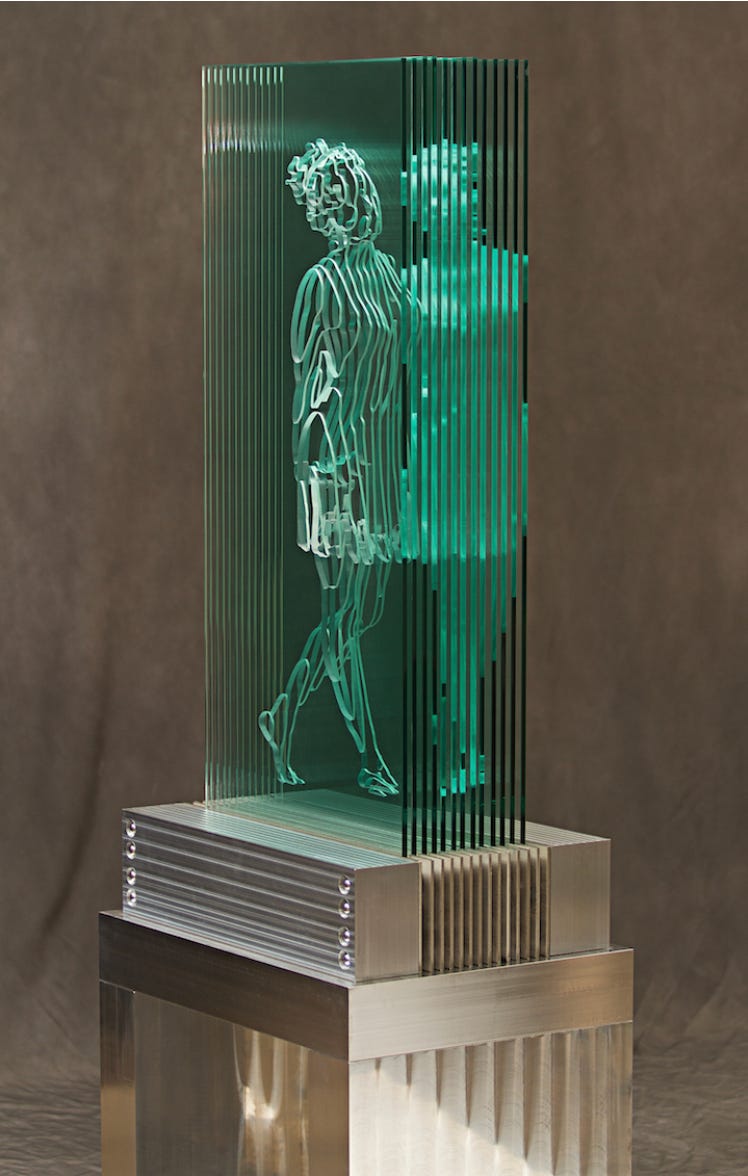
It’s something you design—slowly, intentionally, layer by layer.
You remove what compresses you.
Add what expands you.
Rearrange until the space feels like it can actually hold the person you’re becoming.
The result isn’t a louder you.
It’s a clearer you.
A more grounded you.
A more designed you.
💌 Elle
P.S. If you notice a room shrinking you, leave. If you notice a room expanding you, stay. If you redesign the room entirely—DM me. I want details.



.svg)

.svg)


















.webp)
.webp)
.webp)
.webp)
.webp)
-min.webp)