
Capacity

This week I hit 365 consecutive days of meditation.

A full year.
I wish I could tell you that means I am now permanently serene. That nothing rattles me. That traffic parts and difficult conversations dissolve before they begin.
It does not.
Things still go wrong. Emails still sting. Plans still unravel. My nervous system still flares.
Meditation did not eliminate chaos.
It expanded my capacity for it.
And that feels far more interesting.
What Meditation Actually Teaches
When people hear “meditation,” they think calm.
But calm isn’t the point.
Capacity is.
The capacity to feel irritation without becoming it.
To hold grief without collapsing under it.
To notice anxiety while sensing something steadier underneath.
Meditation doesn’t promise a quiet life.
It strengthens the ability to remain present when life isn’t quiet.
Pema Chödrön often uses the metaphor: “You are the sky. Everything else—it’s just the weather.”

The weather still rolls in.
The sky just doesn’t shatter.
Maximum Occupancy
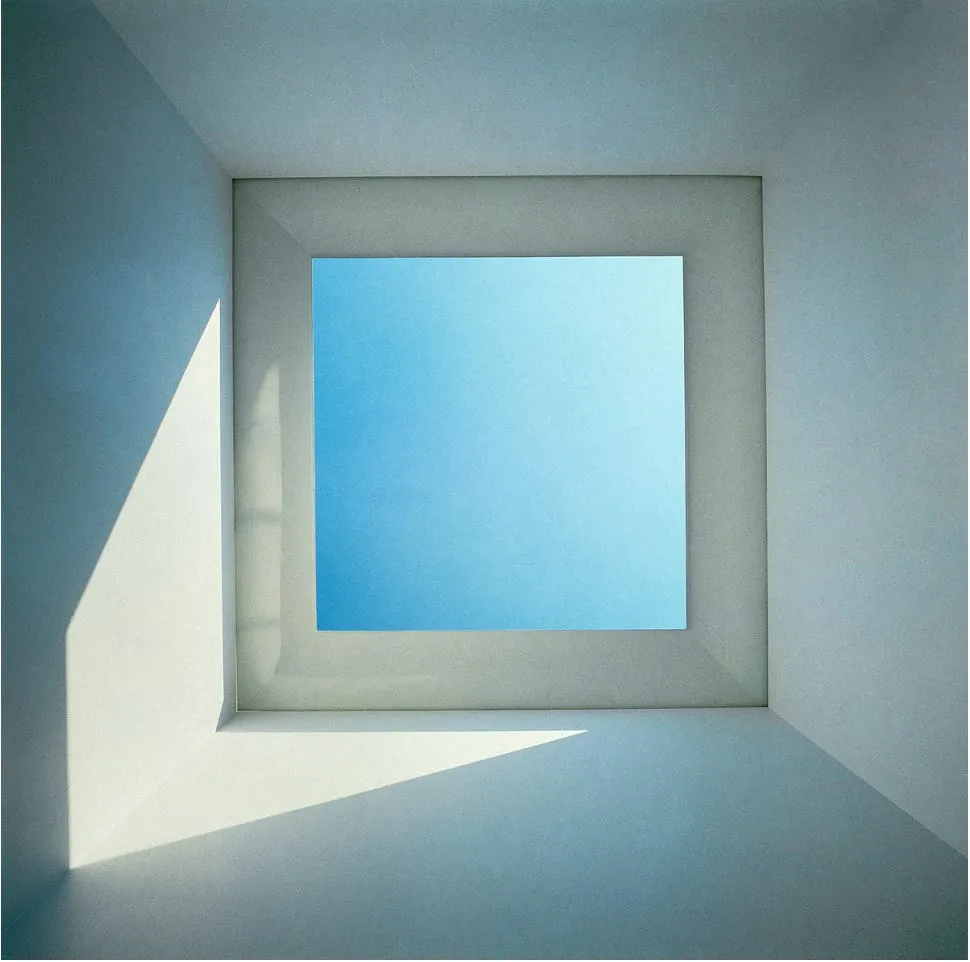
Every room has a maximum occupancy. It’s printed near the door. A limit.
Beyond that number, the structure becomes unsafe.
Humans have a limit too — we just don’t list it on the wall.
Psychiatrist Daniel Siegel calls it the “window of tolerance”: the range within which we can experience stress without tipping into hyperarousal (reactivity) or hypoarousal (shutdown). Mindfulness practices have been shown to widen that window over time.
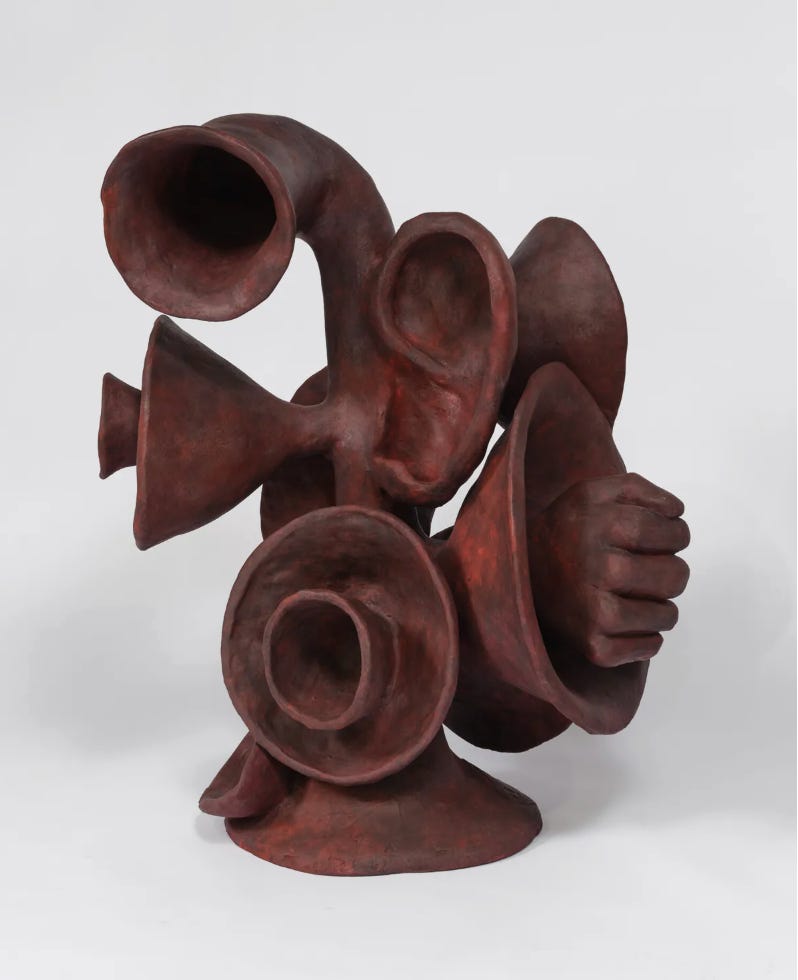
Not by reducing what happens.
By increasing what we can metabolize.
A room at capacity doesn’t have to feel crowded.
It can feel full.
The difference?
Circulation.
Sight lines.
Acoustic buffering.
Places to land.
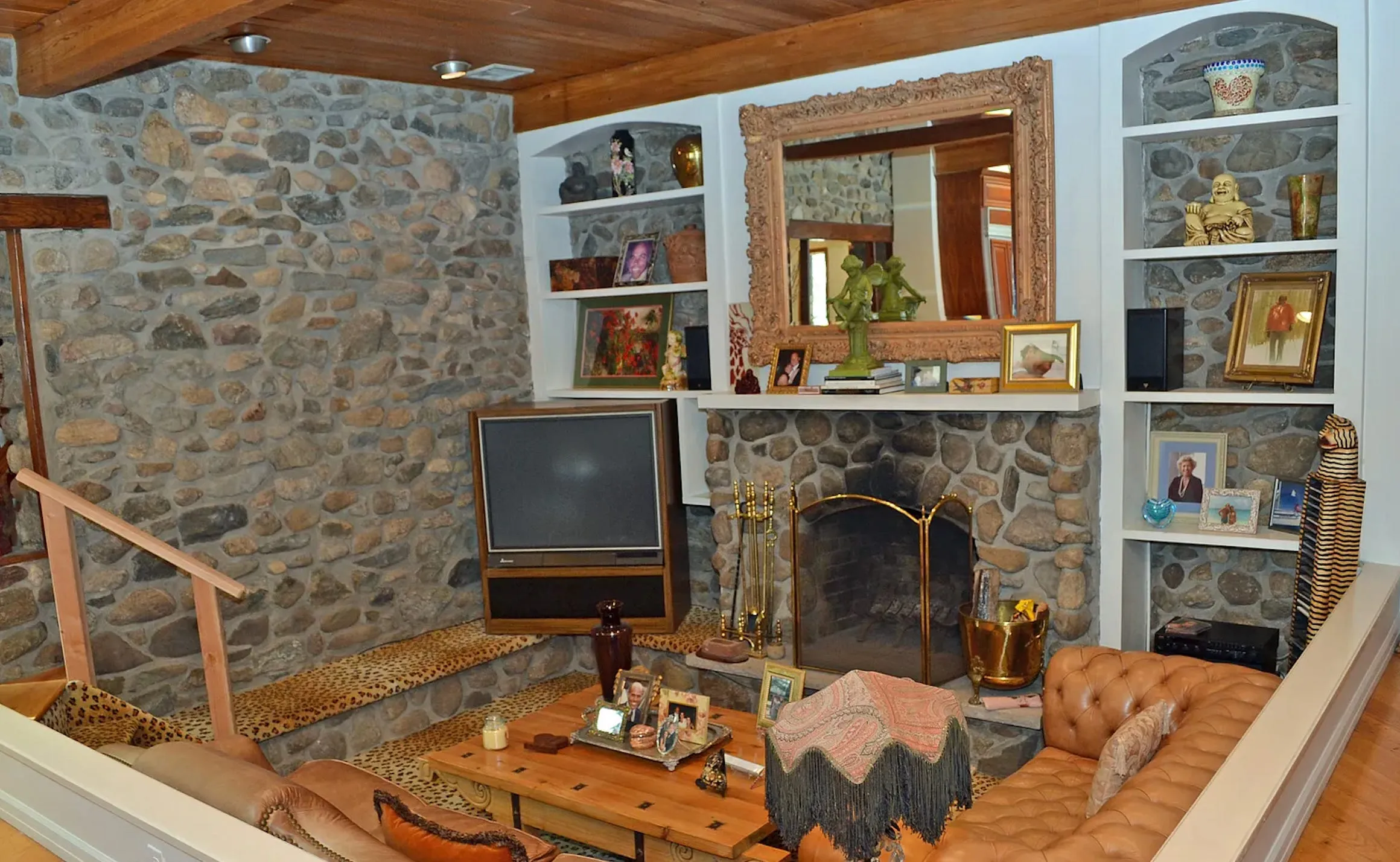
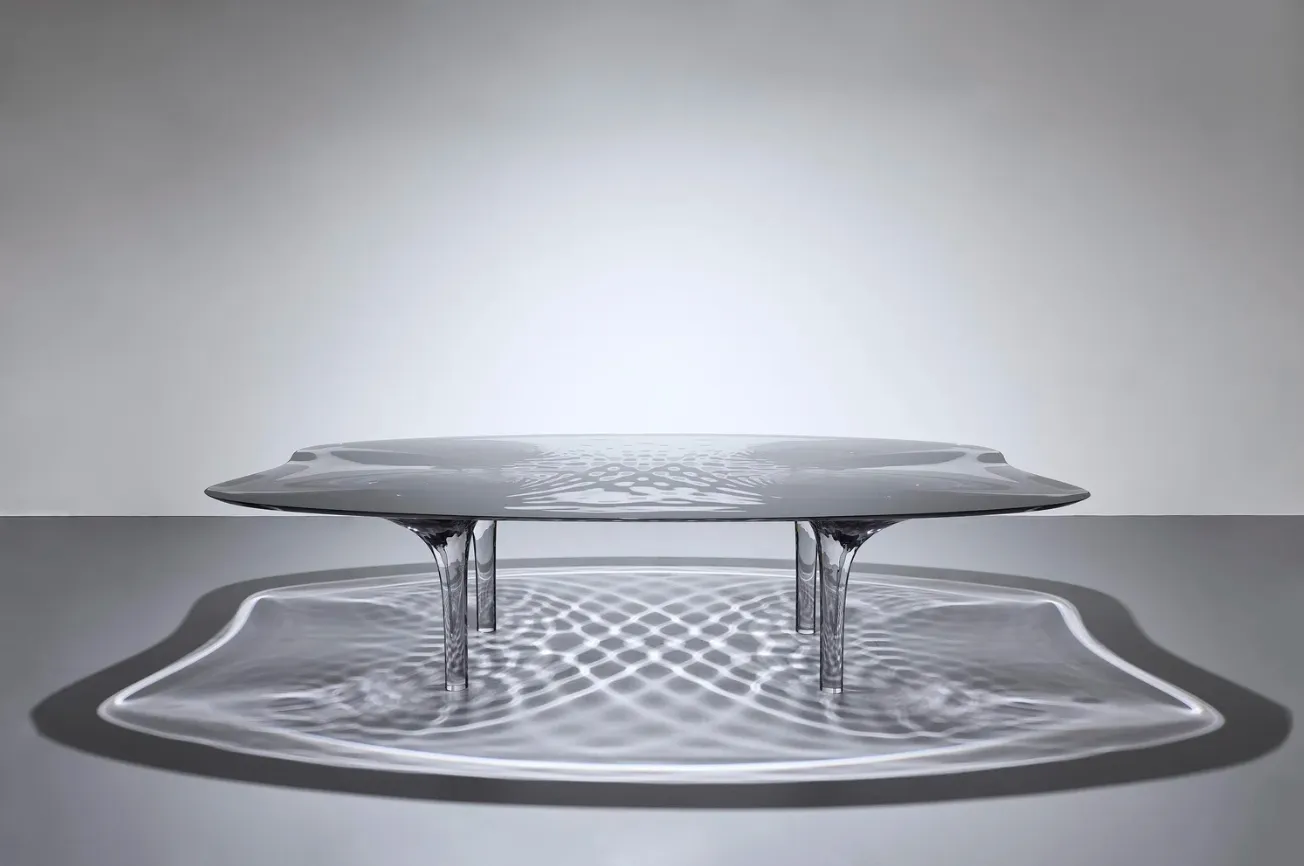
A well-designed space distributes weight. It absorbs sharp edges. It creates pauses between objects so the eye and body can rest.
Same number of bodies.
Different nervous system response.
Designing Internal Architecture
After a year of meditation, I don’t have fewer thoughts.
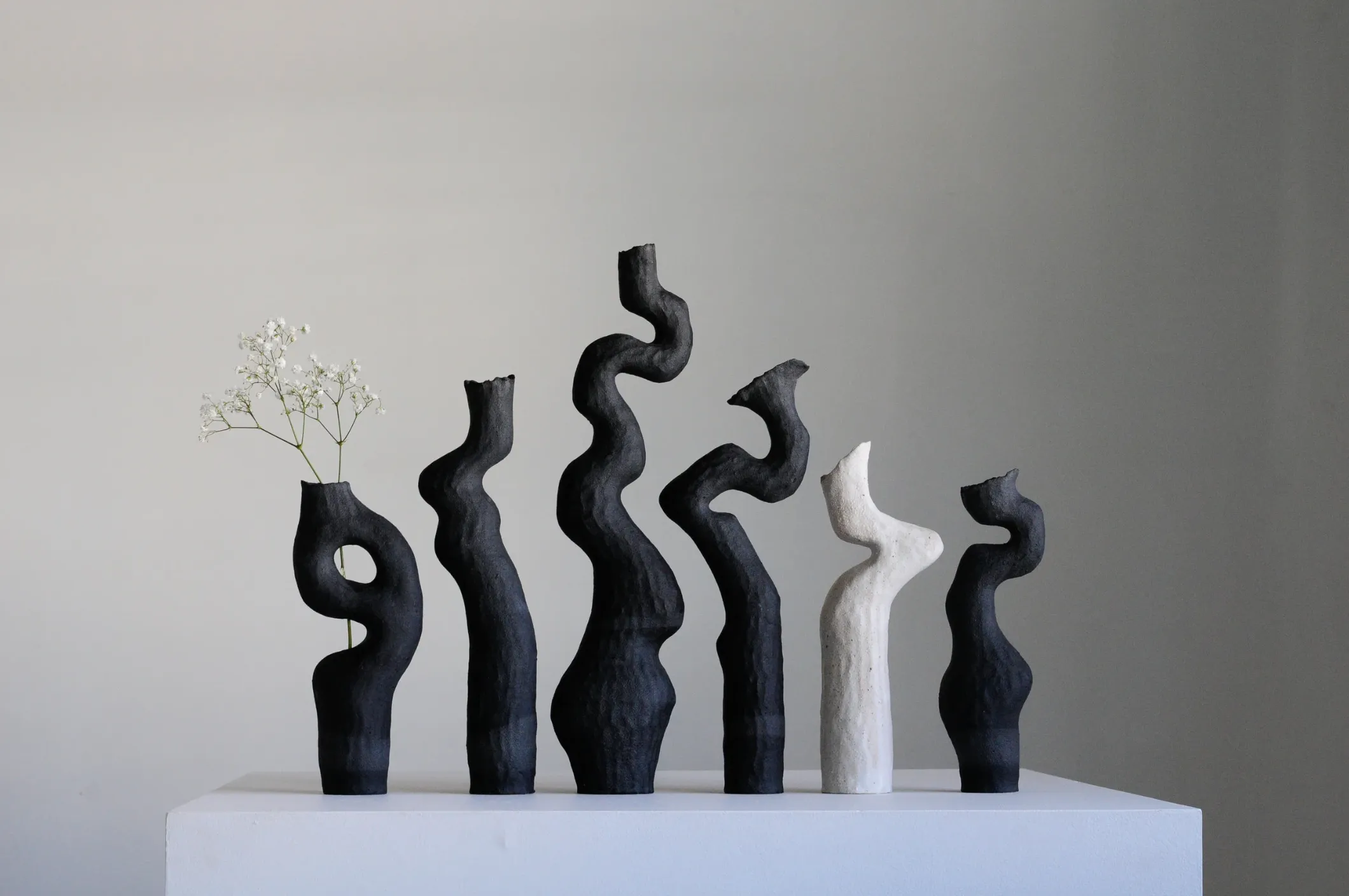
I have more structural integrity around them.
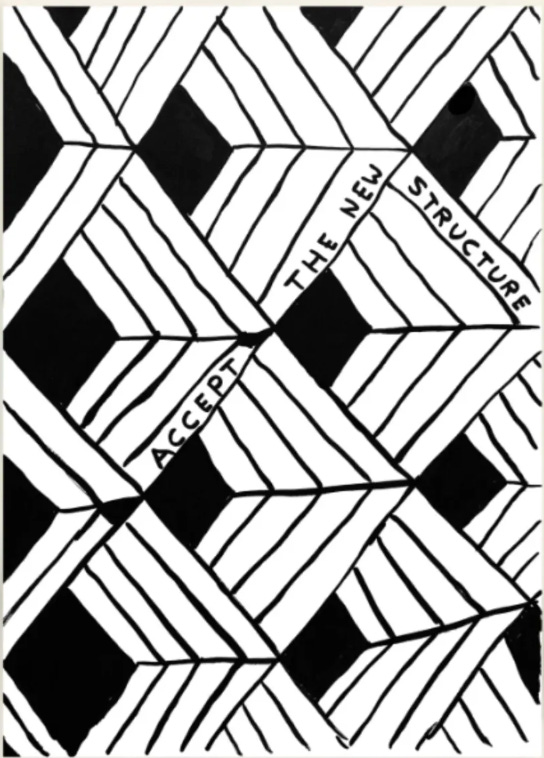
Neuroscientist Judson Brewer’s research on mindfulness shows reduced activation in the brain’s default mode network, the circuitry tied to rumination and self-referential looping. Thoughts still arise, but they hook less aggressively.
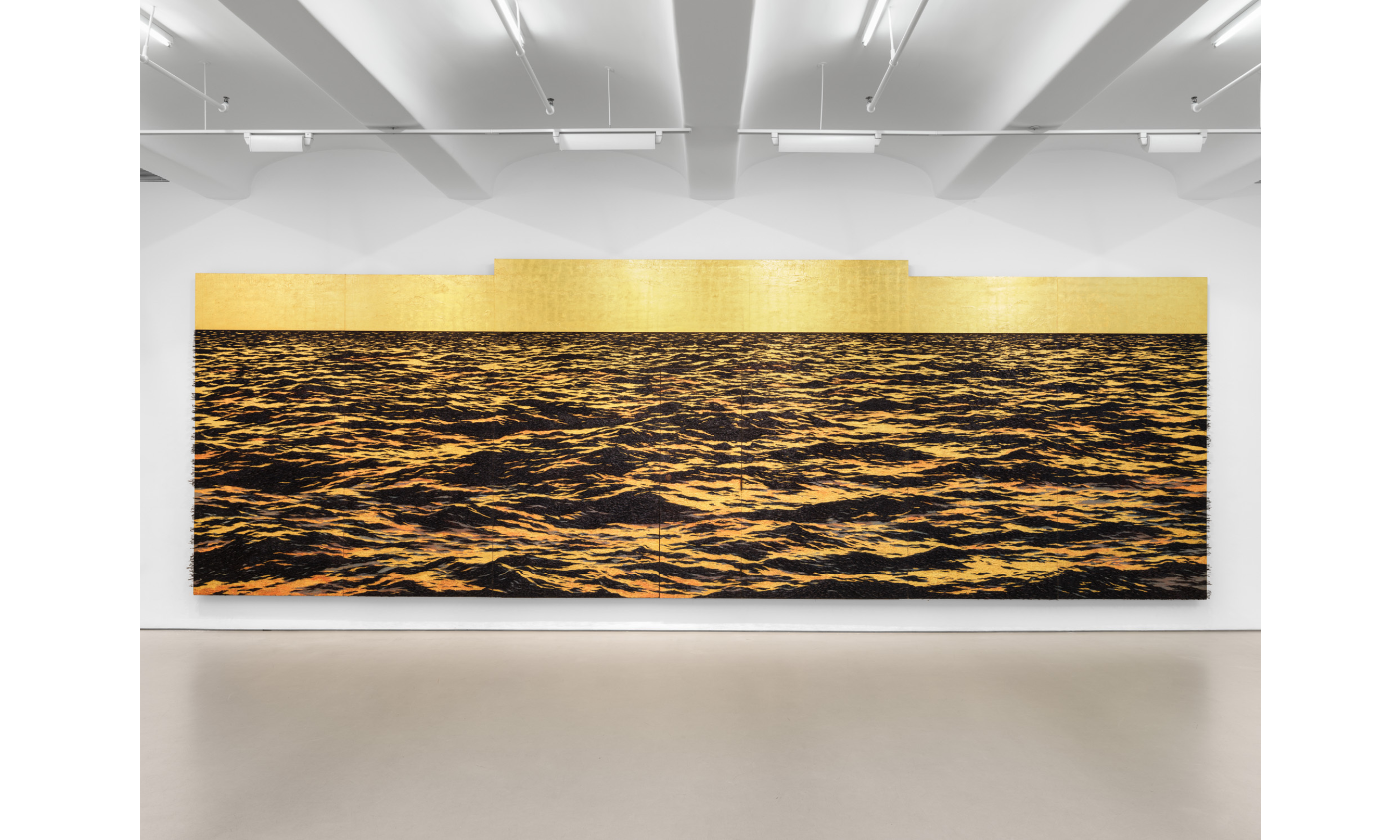
There is more space between stimulus and reaction.
Viktor Frankl wrote, “Between stimulus and response there is a space. In that space is our power to choose our response.”
Meditation doesn’t create the stimulus.
It reinforces that space.
And space is capacity.
When Things Go Wrong
This week, things still went wrong.
But I noticed something subtle.
A small awareness that said:
This is difficult.
And you are still intact.
Not bypassing. Not suppressing.
Just holding both.
The full room and the quiet corner.
That duality of awareness, experience plus perspective is what feels new.
Design Knows This Instinctively
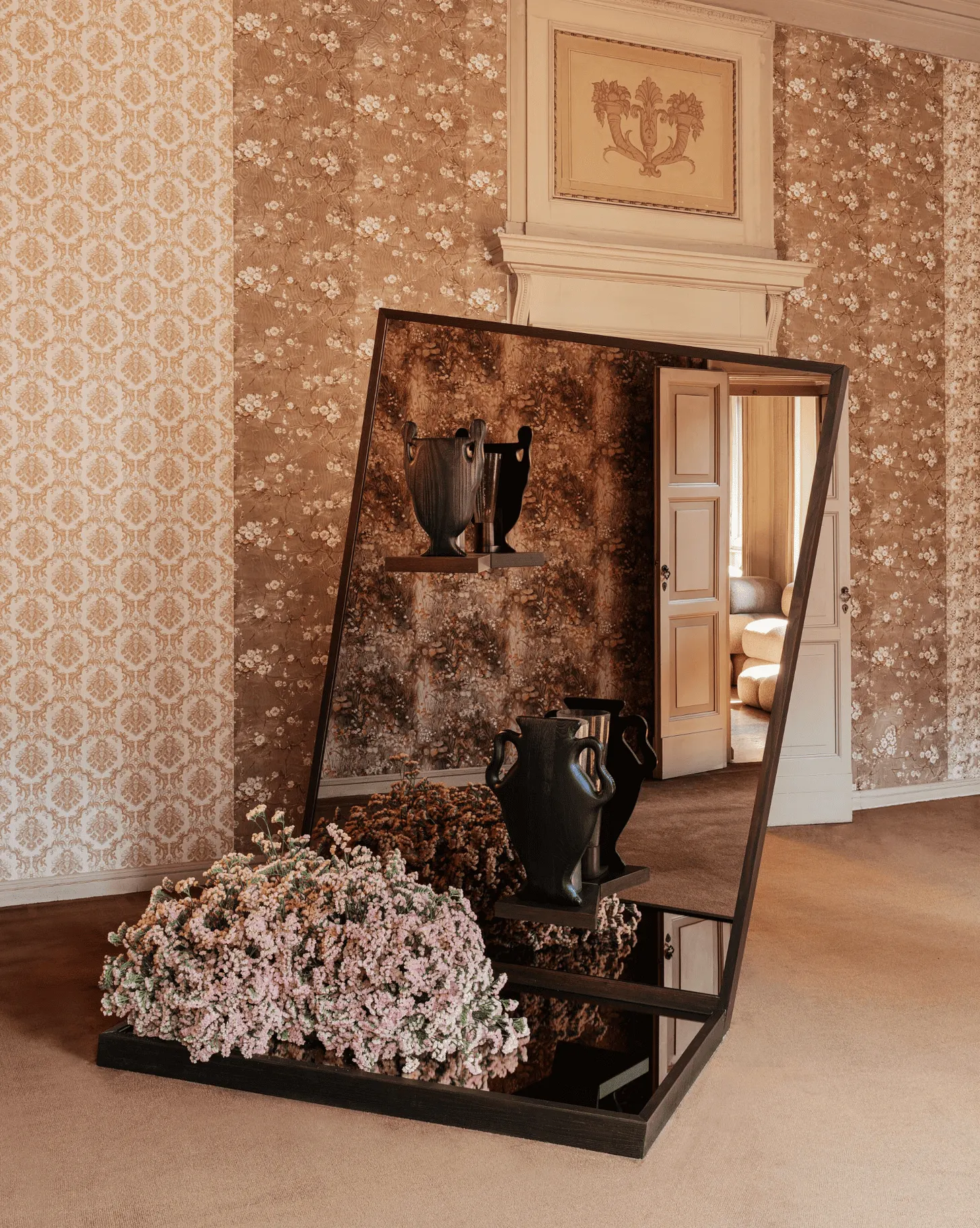
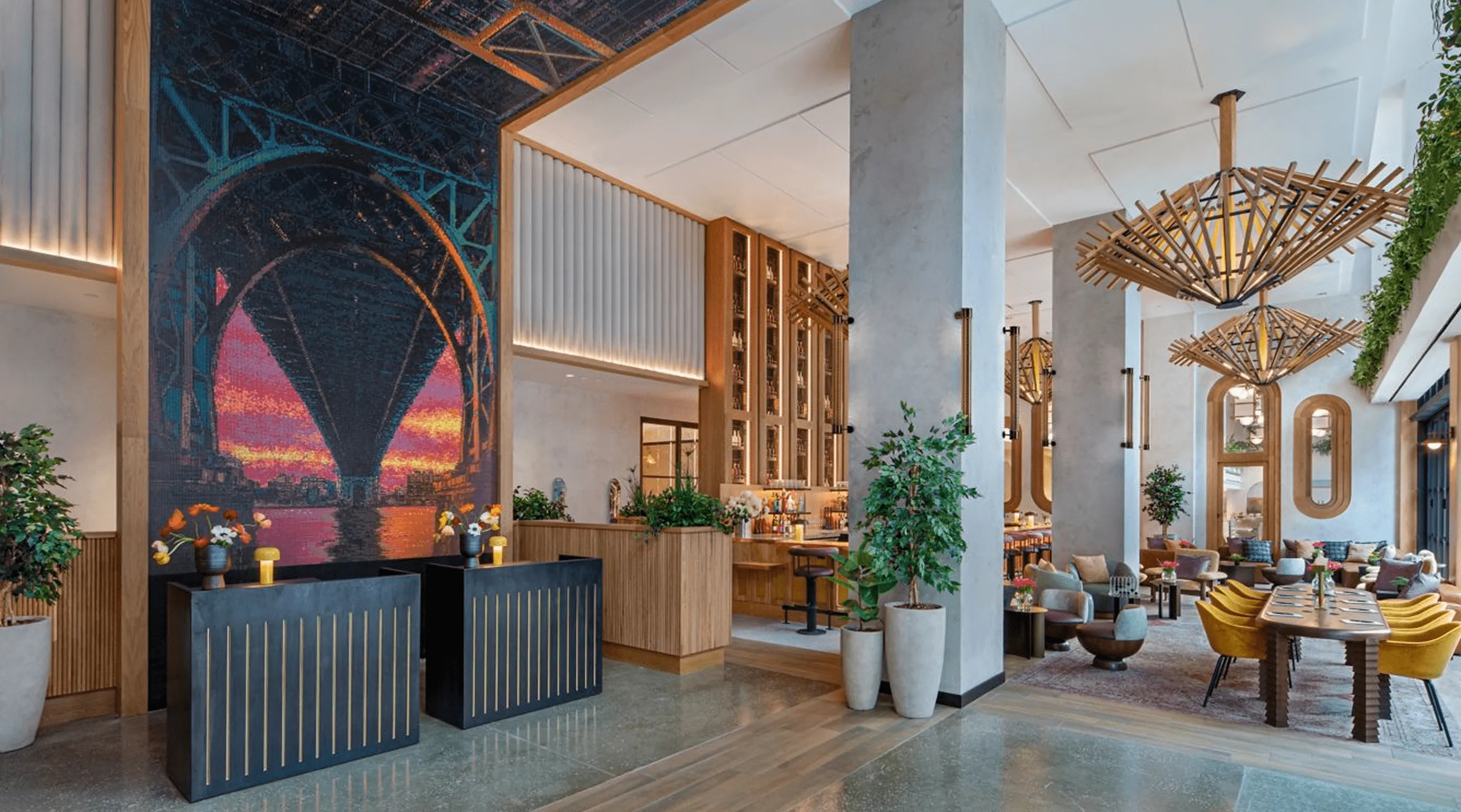
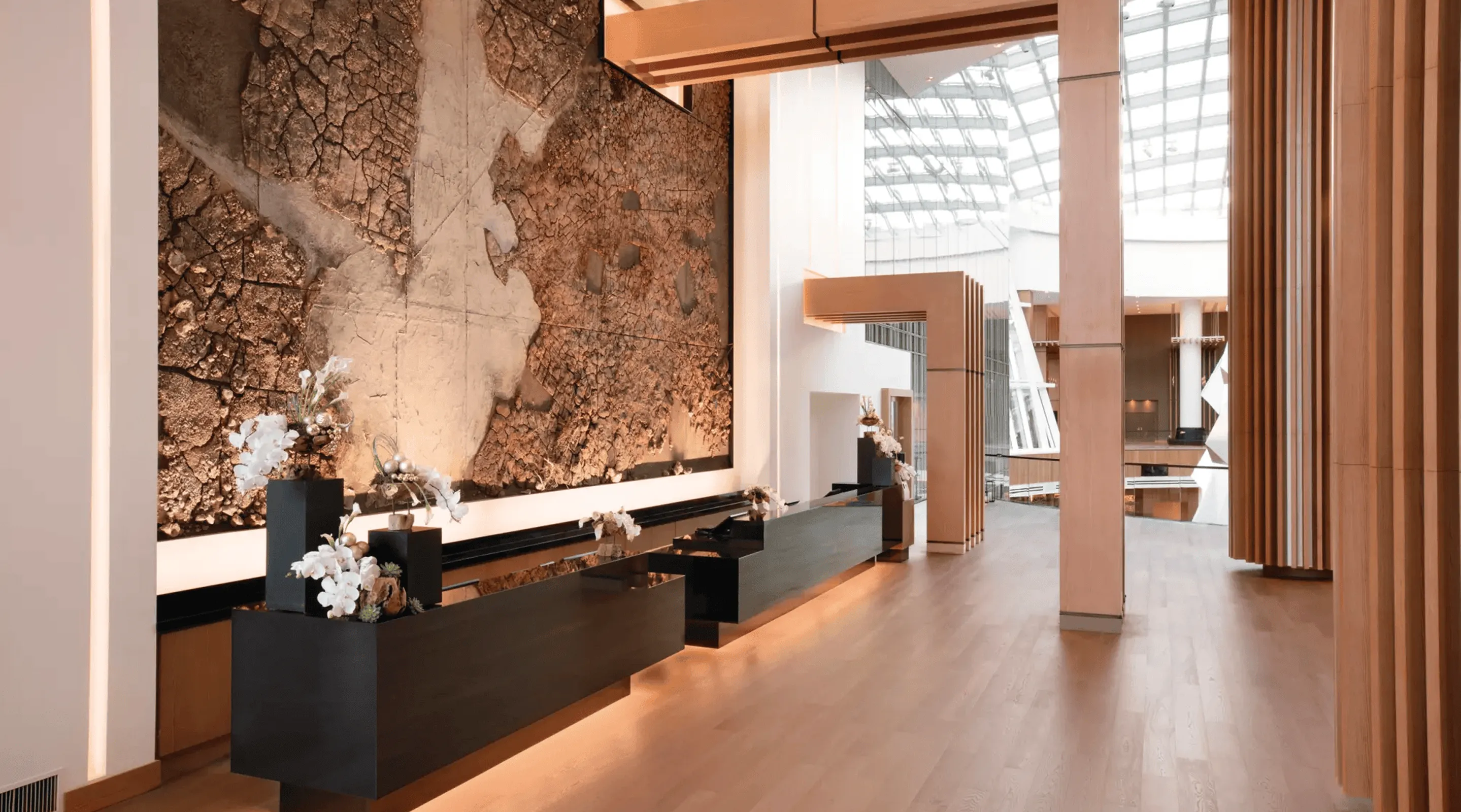
The best hospitality spaces understand capacity.
A busy lobby that still feels grounded.
A restaurant humming but not chaotic.
A home filled with people that still offers retreat.
They don’t reduce occupancy.
They increase buffers.
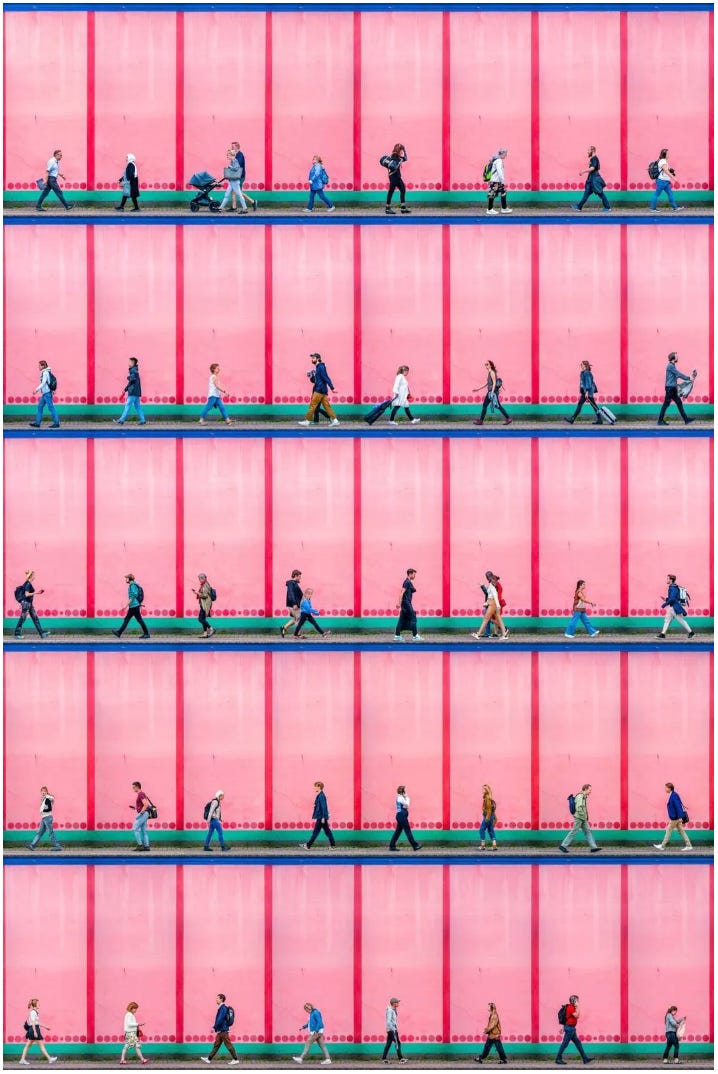
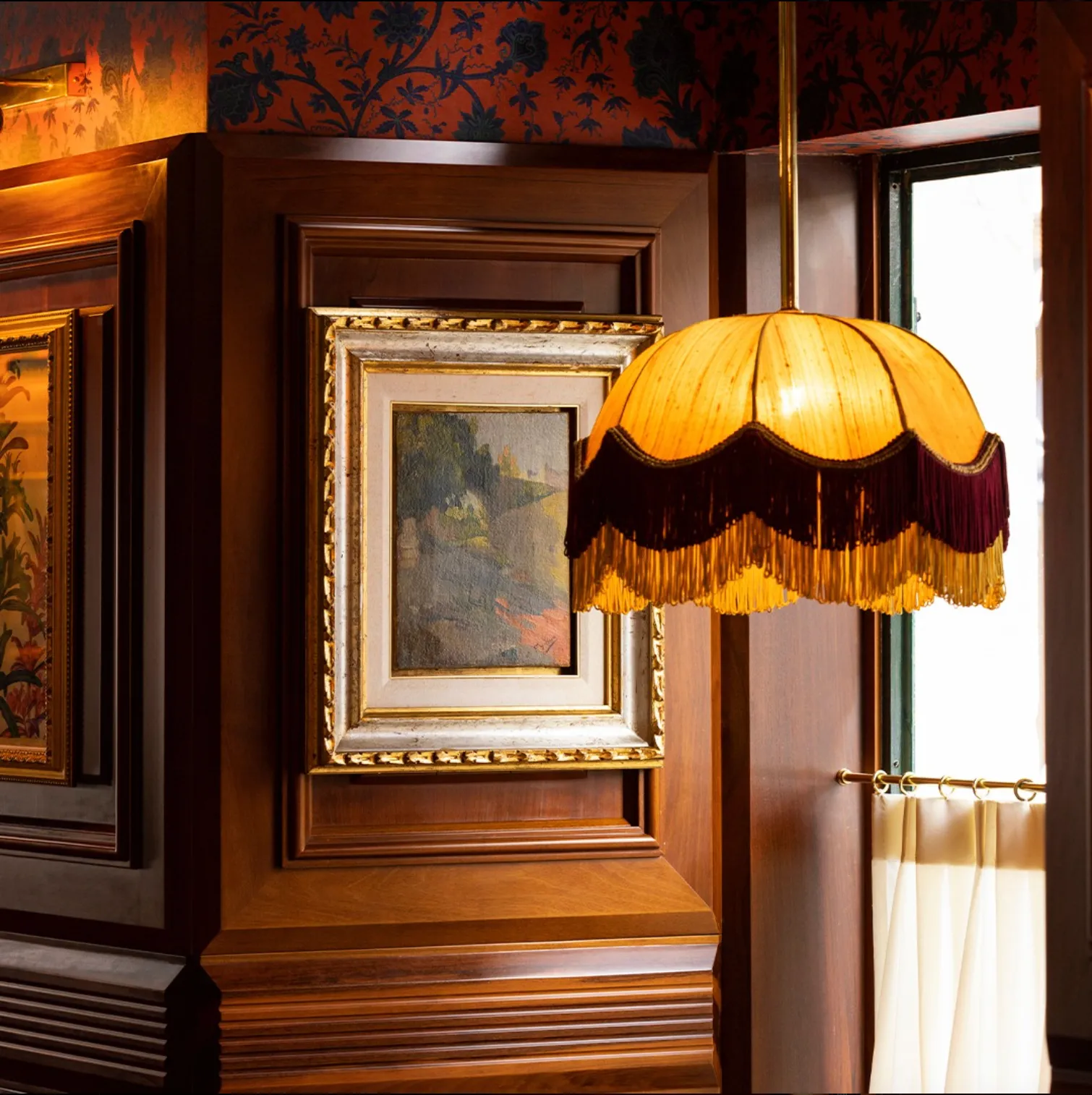
Soft light instead of glare.
Textiles that absorb sound.
Clear pathways.
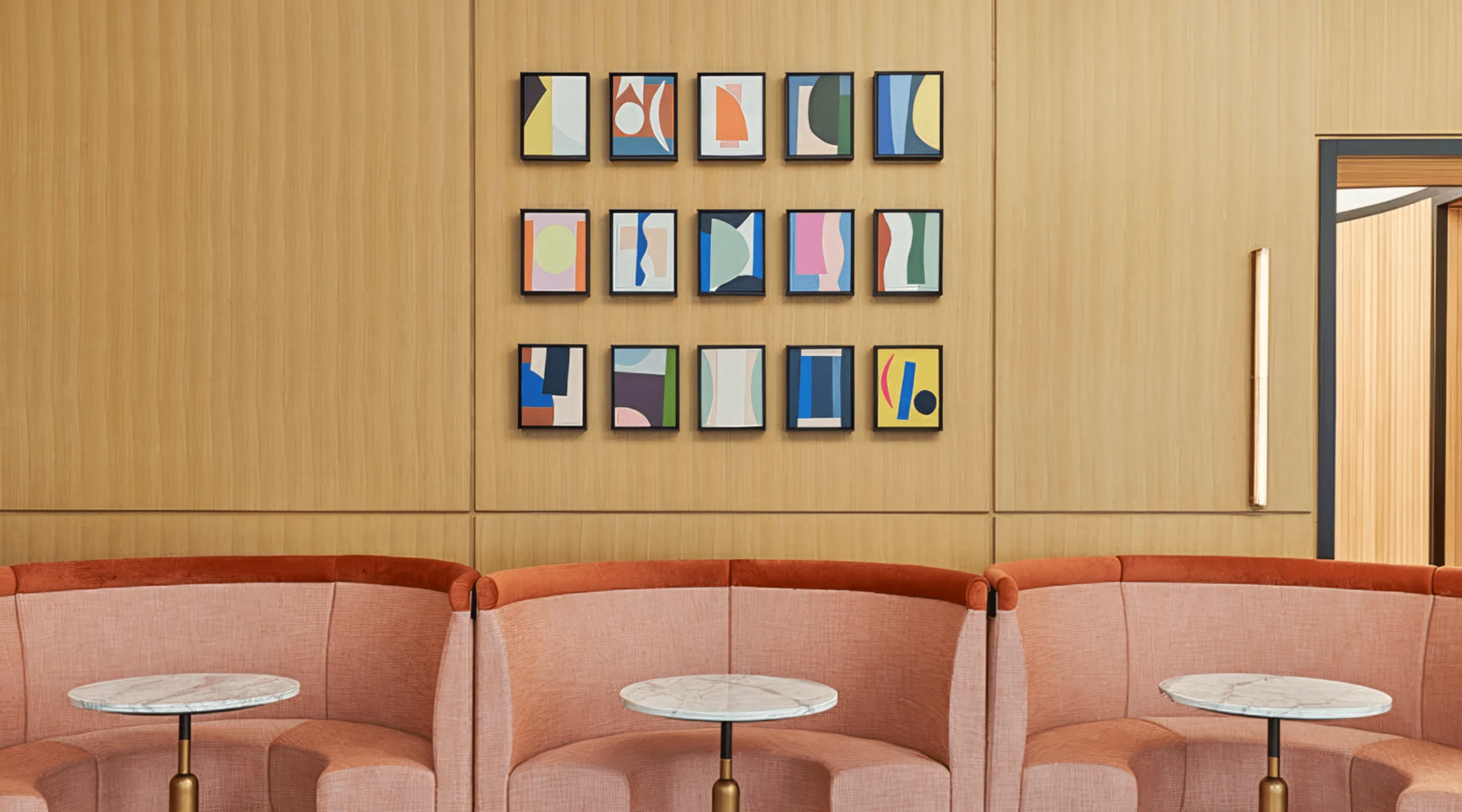
Intentional negative space.
Design doesn’t always reduce fullness.
It distributes it.
That’s what meditation has done internally.
It hasn’t made life emptier.
It’s added more internal seating.
More acoustic dampening.
Fewer sharp corners.
Final Thought
Capacity isn’t about becoming unshakeable. It’s about becoming less brittle.
Life will fill the room.
Joy. Grief. Logistics. Beauty. Frustration.
The goal isn’t to keep the room empty.
It’s to build it well.
365 days didn’t make me calmer.
They made me more load-bearing.
And that feels far more useful.
💌Elle
P.S. What increases your capacity? Silence? Movement? Rearranging a room? I’m starting to believe regulation is architectural.



.svg)


.svg)


























.webp)
.webp)
.webp)
.webp)
.webp)
-min.webp)