
On Being Stuck

I came up to the Hudson Valley this weekend on purpose.
I knew a big snowstorm was coming, and it felt more romantic to experience it fireside with wood stacked, soup simmering, the satisfying drama of weather doing what weather does. I imagined long snowy walks, deep rest, that pleasant kind of winter stillness you opt into when you know you can leave again.
What I neglected to fully account for was the aftermath.
Twenty-eight inches of snow will do that.
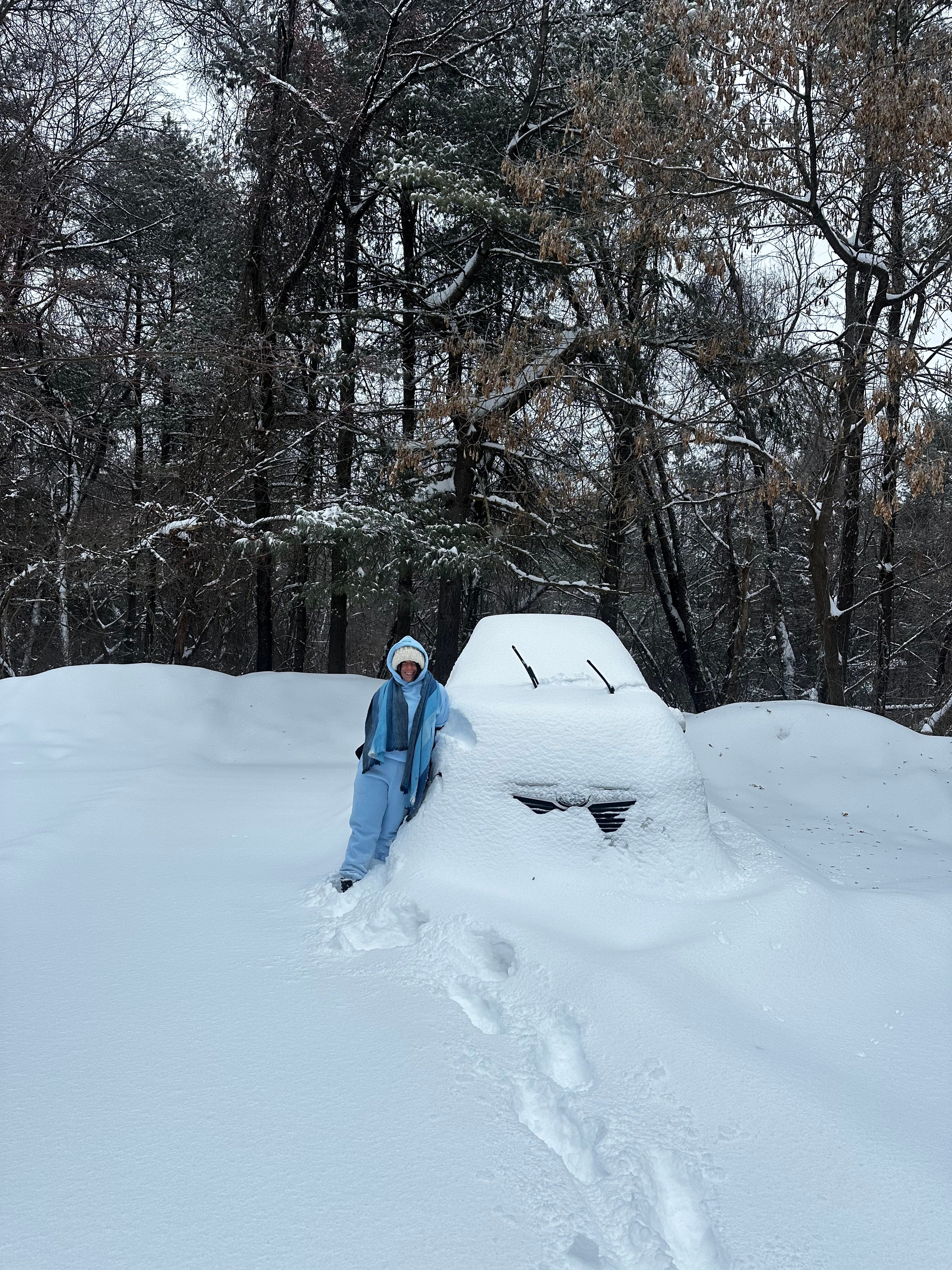
This morning, looking out at a completely buried driveway, it hit me: oh shit. I’m actually stuck here. At least until the plow guy comes through. Physically stuck. Temporarily immobilized. No errands, no quick escape, no casual change of scenery.
It isn’t dangerous(I panic bought too many snow snackies). But it isn’t comfortable either.
And it got me thinking about all the other ways we get stuck—without snow as an excuse.
Physical Stuck vs. Mental Stuck
Being physically stuck is annoying, but it’s also refreshingly clear. You can point to the reason. You know what you’re waiting for. There’s a tangible obstacle and a predictable solution, albeit one that may require a shovel and a little light groveling to your farm neighbors for a snow-blower assist.
Creative stuckness is trickier.
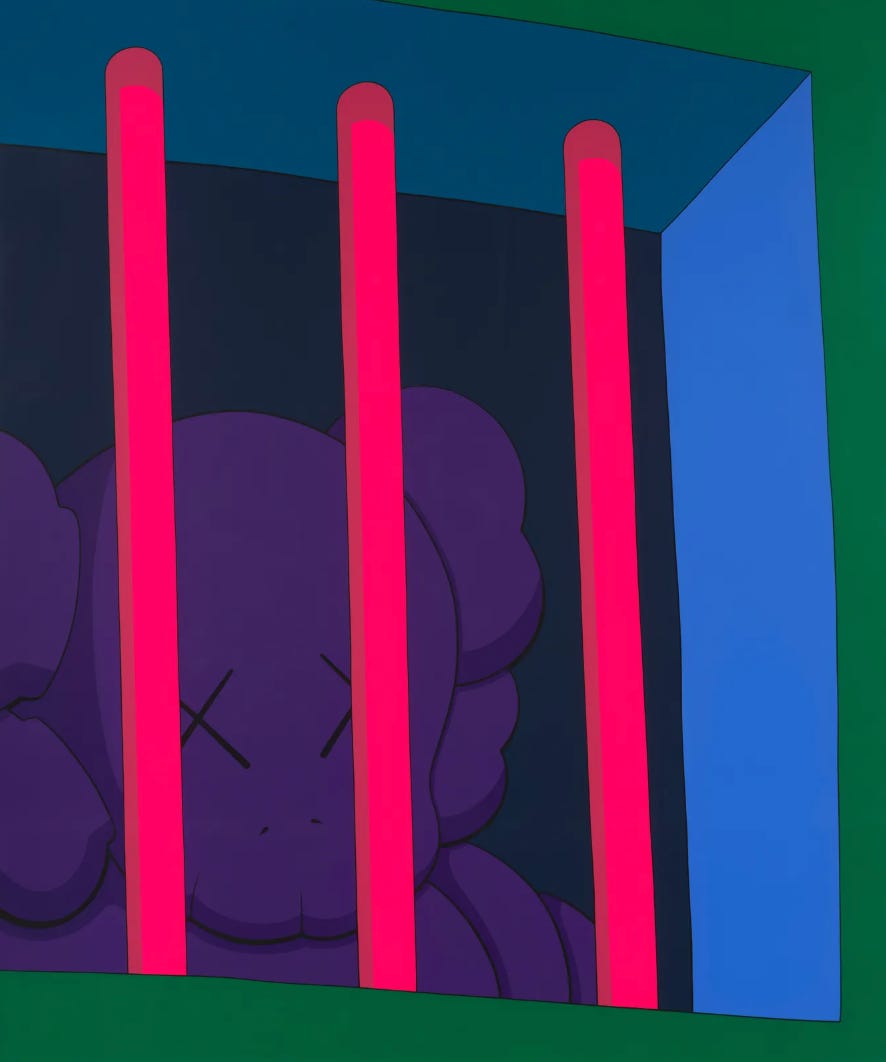
There’s no visible snowbank. No plow schedule. Just that grinding feeling of ideas that won’t budge to fruition, projects that won’t even slightly progress, energy that feels strangely unavailable.
Designers and artists talk about this all the time, though rarely in public. The blank studio. The half-finished sketch. The sense that whatever you try isn’t quite right…and so you try nothing at all.
Stuck Isn’t a Problem , It’s a Signal
When artists and designers describe feeling stuck, it’s often because:
- they’ve been consuming more than creating
- they’re over-relying on abstraction instead of material
- they’re asking for answers when the body needs rest
Psychologists call this a mismatch between effort and cognitive readiness. You’re trying to produce before the system has integrated.
Snow does something similar. It slows everything down so the ground can recalibrate.
How Creatives Actually Get Unstuck
Here are practices backed by cognitive science:
1. Change the scale
When you’re stuck conceptually, work smaller.
Neuroscientific studies show that reducing task scope lowers threat perception and re-engages exploratory thinking.
Exercise:
If you’re designing a whole project, zoom into one square foot. One sentence. One detail. Don’t solve the big thing, solve a teeny tiny one.
2. Switch sensory channels
Creativity increases when the brain receives input through a different modality.
Exercise:
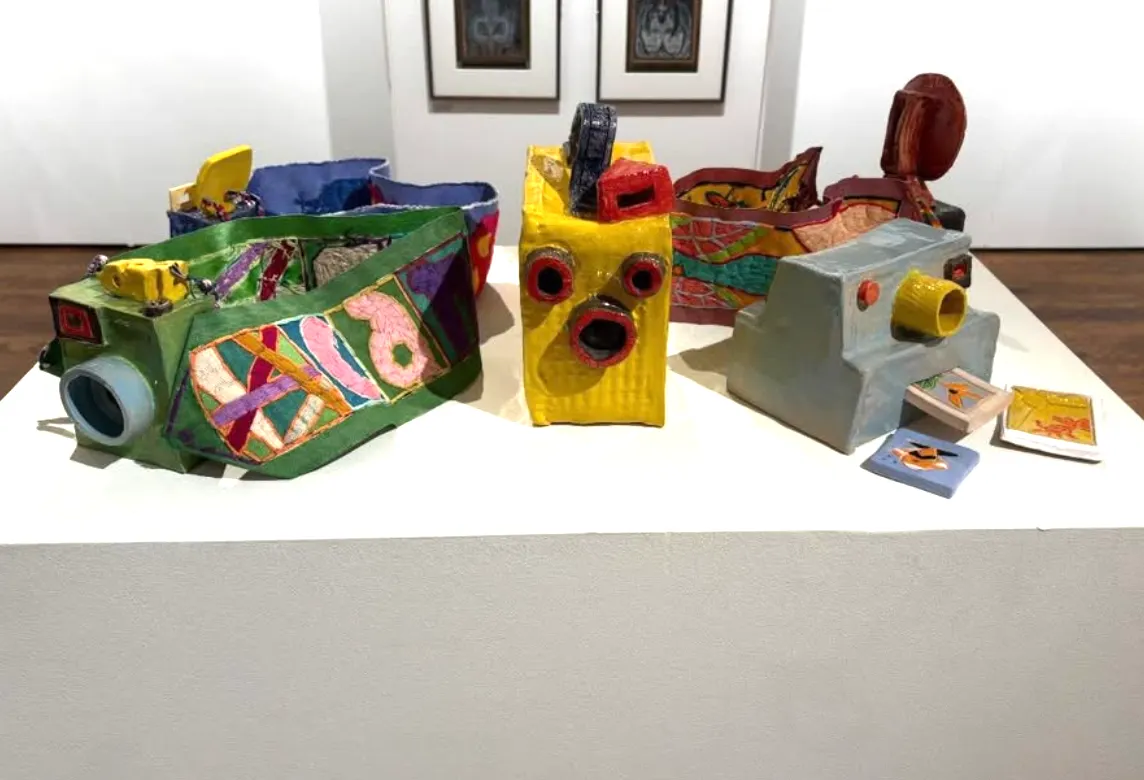
If you’ve been thinking visually, do something tactile. Get physical. Sketch without looking. Get your hands on some materials. Let your hands think.
3. Introduce gentle novelty, not chaos
Too much stimulation overwhelms. Too little stagnates.
Exercise:
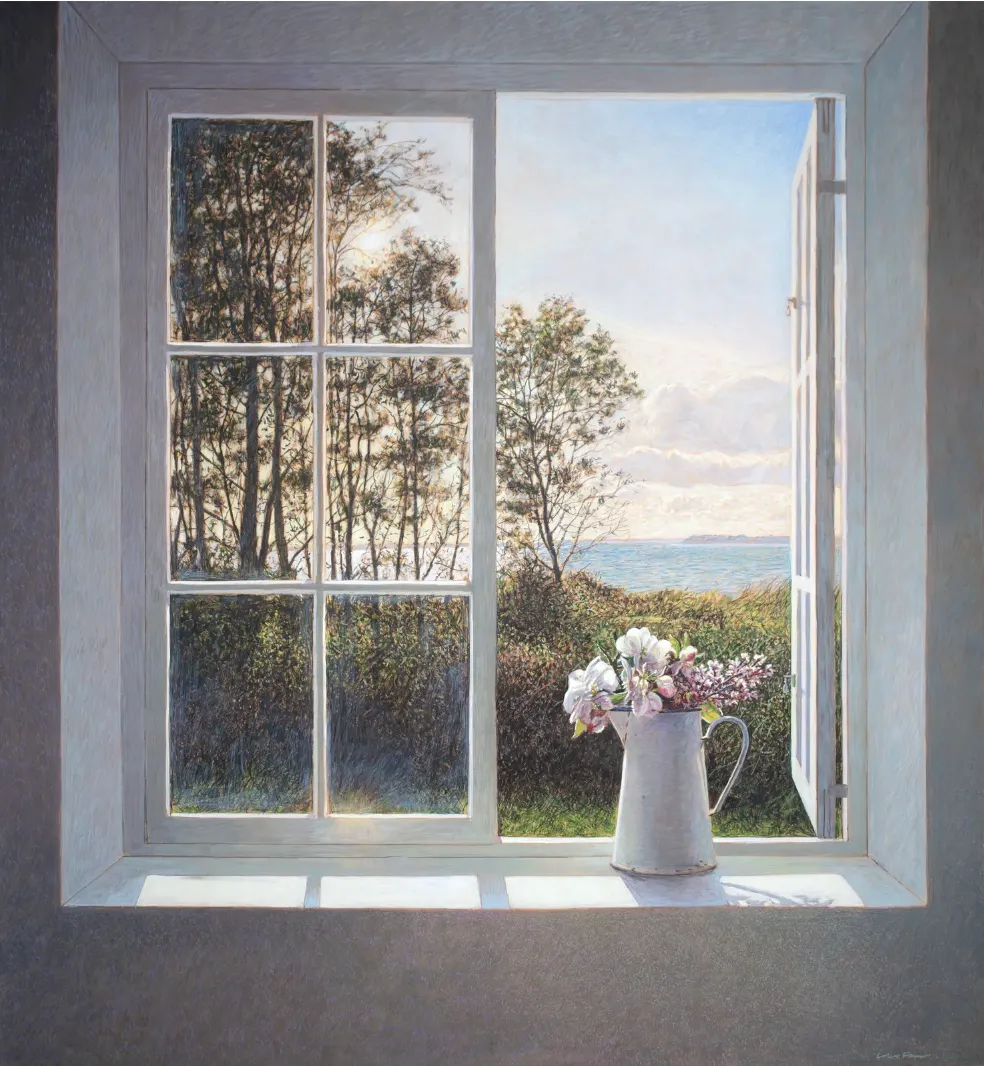
Change where you work, not what you’re working on. A different room. A different chair. Near a window instead of a desk. Environmental novelty alone can unlock new neural associations.
4. Rest without guilt
Research consistently shows that insight often arrives after a period of non-doing.
Exercise:
Set a timer for 20 minutes. No phone. No productivity. Just sit by the fire, walk, or stare out the window. This is not avoidance—it’s incubation.
Letting the Snow Do Its Thing
By this afternoon, I stopped resisting the stuckness.
I lit the fire earlier. Watched how the snow simplified the landscape, softened edges, erased distraction. It removed options and in doing so, clarified my attention.
Constraints do this. They narrow the field until only what matters remains.
That’s true in winter.
And in creative work.
Final Thought
We spend a lot of energy trying to avoid being stuck—optimizing our lives so there’s always movement, always momentum, always an exit.
Sometimes being stuck is the necessary condition for change. It is the work.
The plow will come.
The snow will melt.
The ideas will move again.
Until then, stillness isn’t failure.
It’s integration.
💌 Elle
P.S. When you feel creatively stuck, what helps you thaw out? a change of place, a change of material, or doing something completely unrelated? Tell me!!


.svg)

.svg)














.webp)

.webp)
.webp)
.webp)
.webp)

-min.webp)