
On Hope
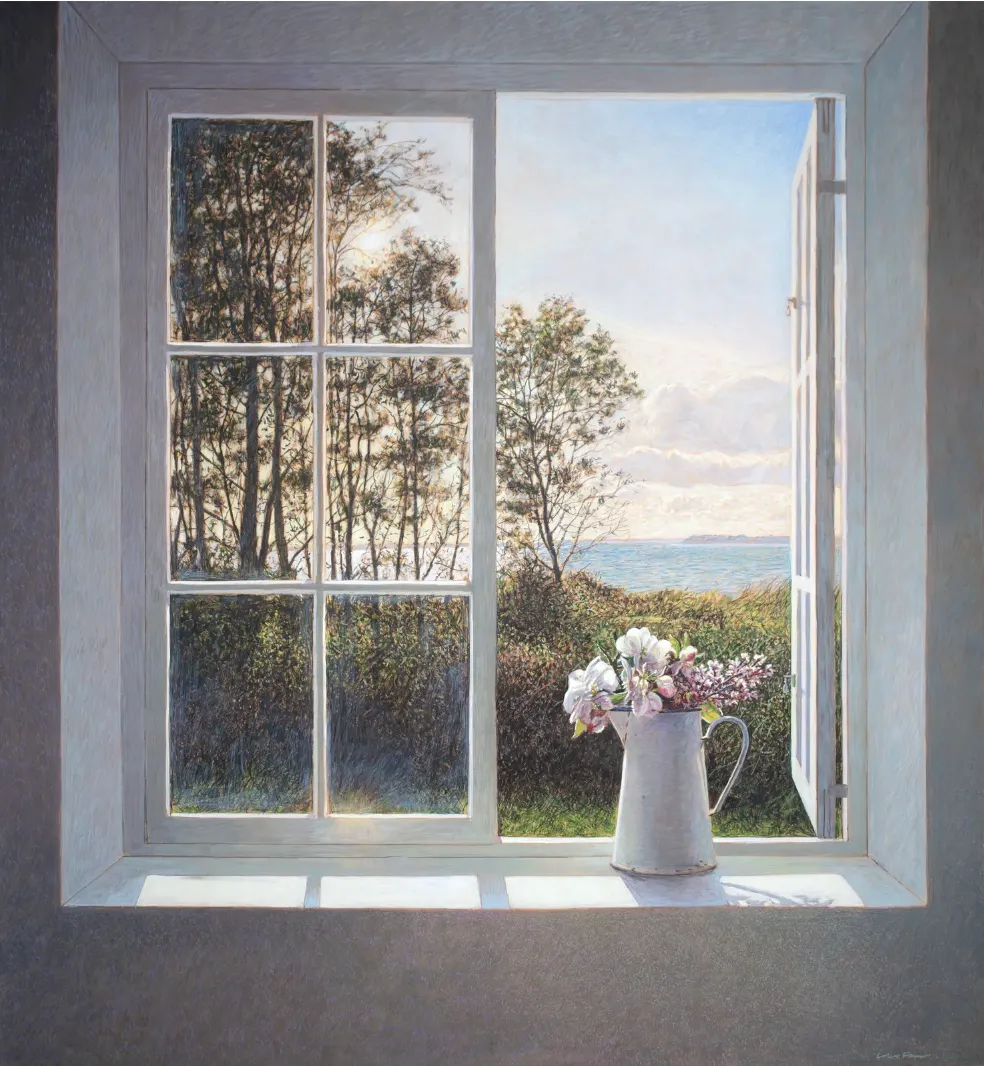
It’s March 9th and it’s 68 degrees in New York City, what I lovingly refer to as Elle temp. Not too hot, not too cold. Just enough warmth to make the entire city believe in possibility again.
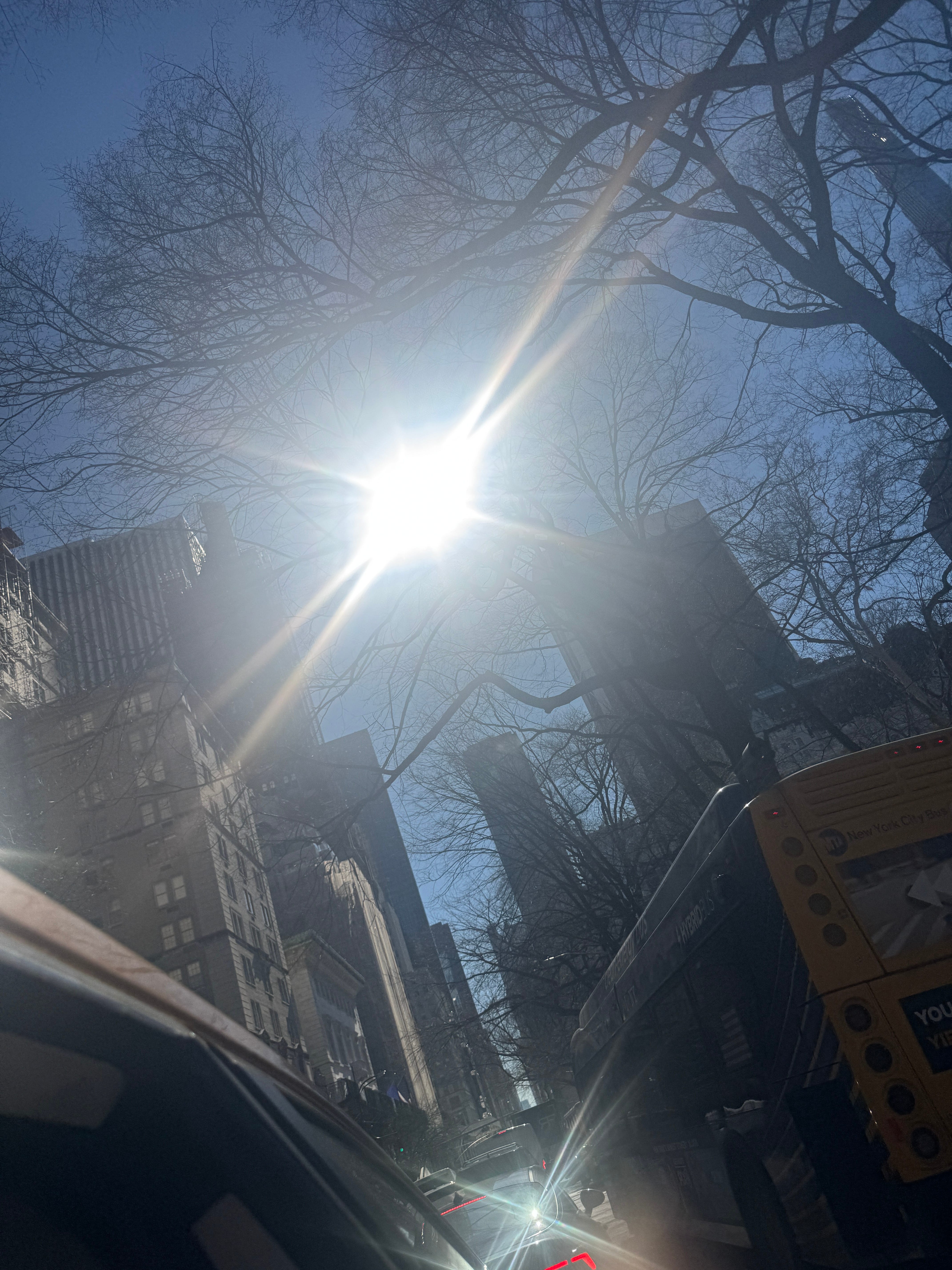
The kind of day where every restaurant drags tables onto the sidewalk, people suddenly remember they own sunglasses, and the whole city behaves like winter was just a rumor.
You walk outside and the light feels different. Softer somehow. Windows are open. Someone somewhere is drinking an Aperol spritz with a level of optimism that feels premature but also…correct.
And suddenly the word that has been following me around all week makes sense.
Hope.
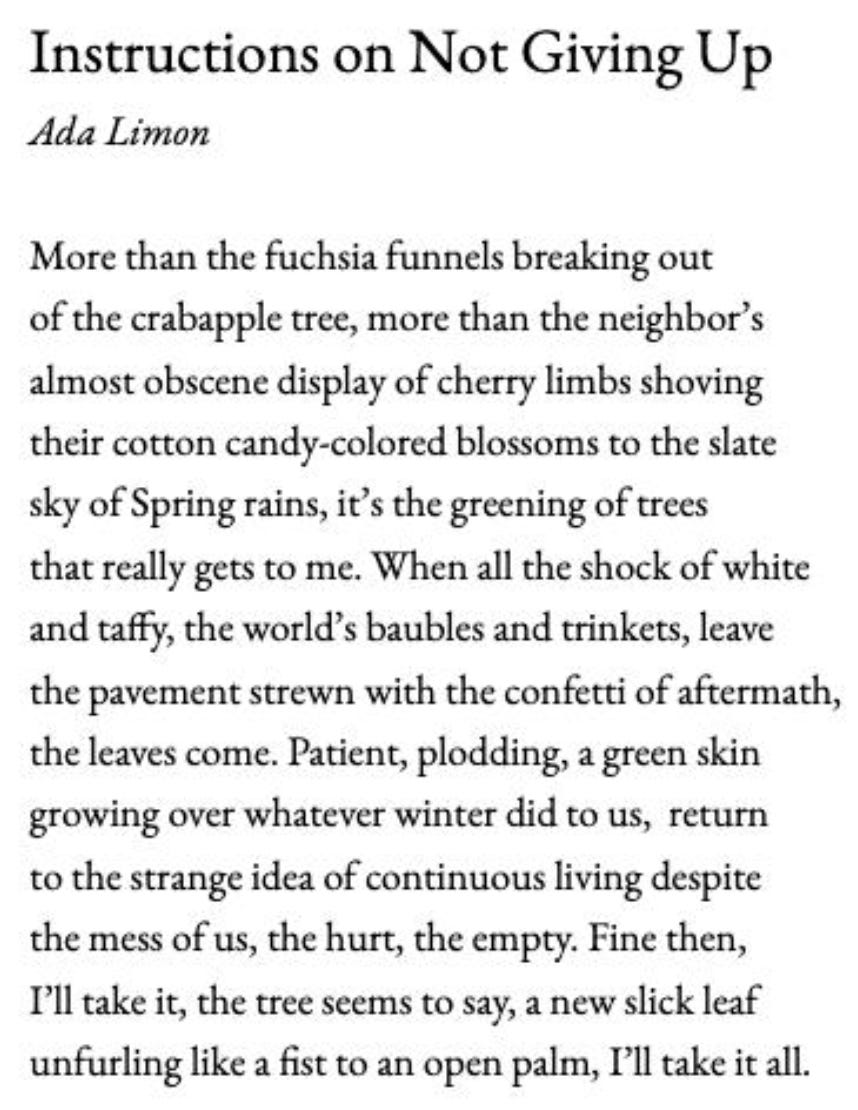
Earlier this week, at yoga, my teacher read a poem that stuck with me. Instructions on Not Giving Up by Ada Limón.
Then later that afternoon, driving back upstate, I passed a barn with the word HOPE painted huge across the siding. Big enough that you could read it from the road without even slowing down.
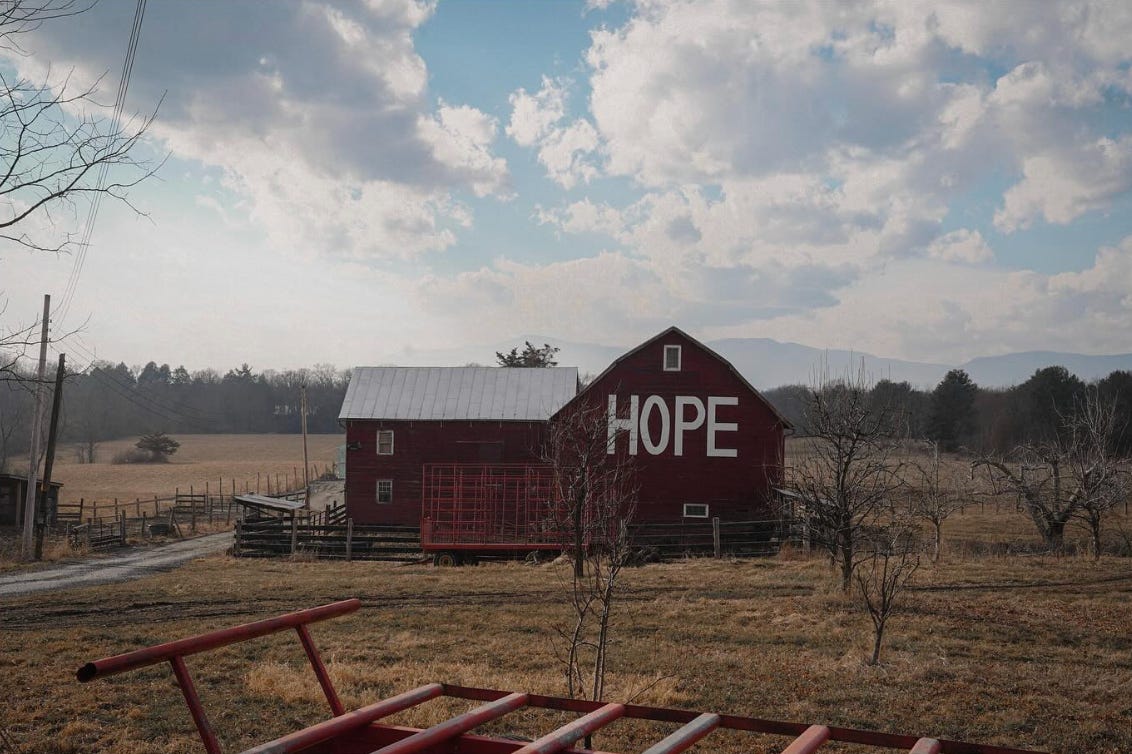
Two reminders in one day felt a little too pointed to ignore.
The Bravery of Winter
What struck me most about the poem was how honestly it understands winter.
Not the romantic version. The real one.
The long gray stretch where the trees look skeletal and every garden bed looks like it has completely given up. The months where everything feels paused and slightly suspicious.
In the poem, Limón describes walking beneath the trees and seeing the pavement covered with petals, what she calls “the confetti of aftermath.”
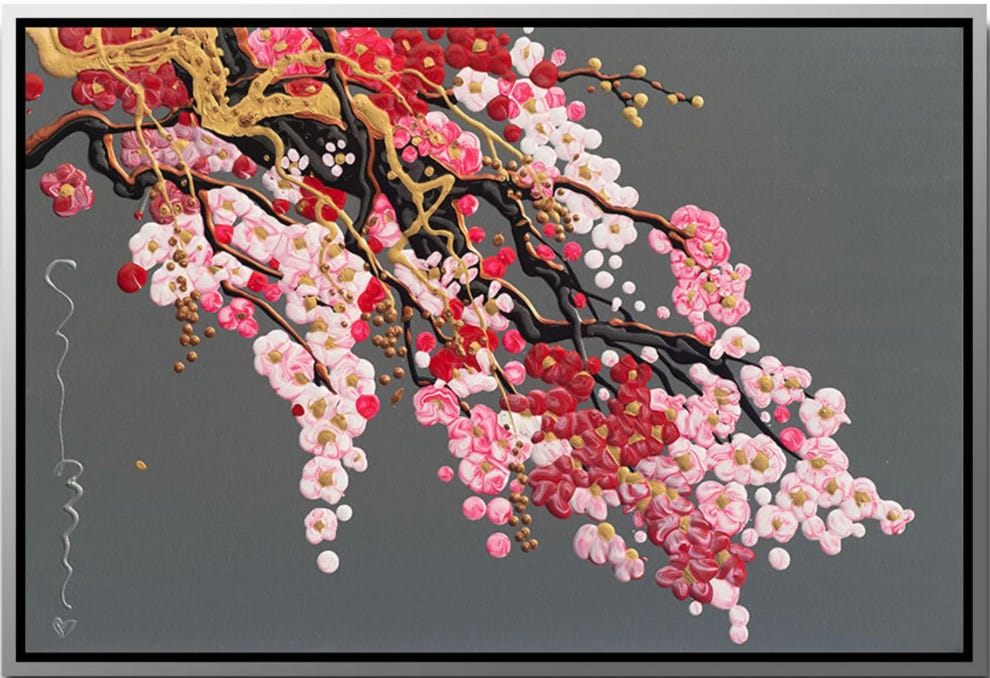
But the line that stays with me is:
“It’s the greening of the trees that really gets to me.”
It is such an honest line.
Not the blossoms.
Not the confetti.
The green.
The subtle moment when branches that looked completely done with life quietly start proving you wrong.
It makes winter feel less like stagnation and more like rehearsal.
All that time, something has been gathering strength beneath the surface.
And then, almost without warning, the color returns.
The Brain Loves a Beginning
The wild thing is that our bodies are wired to respond to this shift before we even consciously register it.
Longer daylight begins adjusting our circadian rhythms. Light entering the retina signals the brain’s internal clock, the suprachiasmatic nucleus, that the season is turning. Melatonin decreases. Serotonin begins to rise.

The body reads light as information.
Psychologists sometimes call these moments temporal landmarks. Events that signal a new chapter. A birthday. The first day of the year. The first warm day after winter.
Signals that it might be safe to imagine forward again.
Hope, in this sense, is not purely philosophical.
It’s neurological.
Artists Who Believe in Spring
Artists have always been obsessed with this moment when the world restarts.
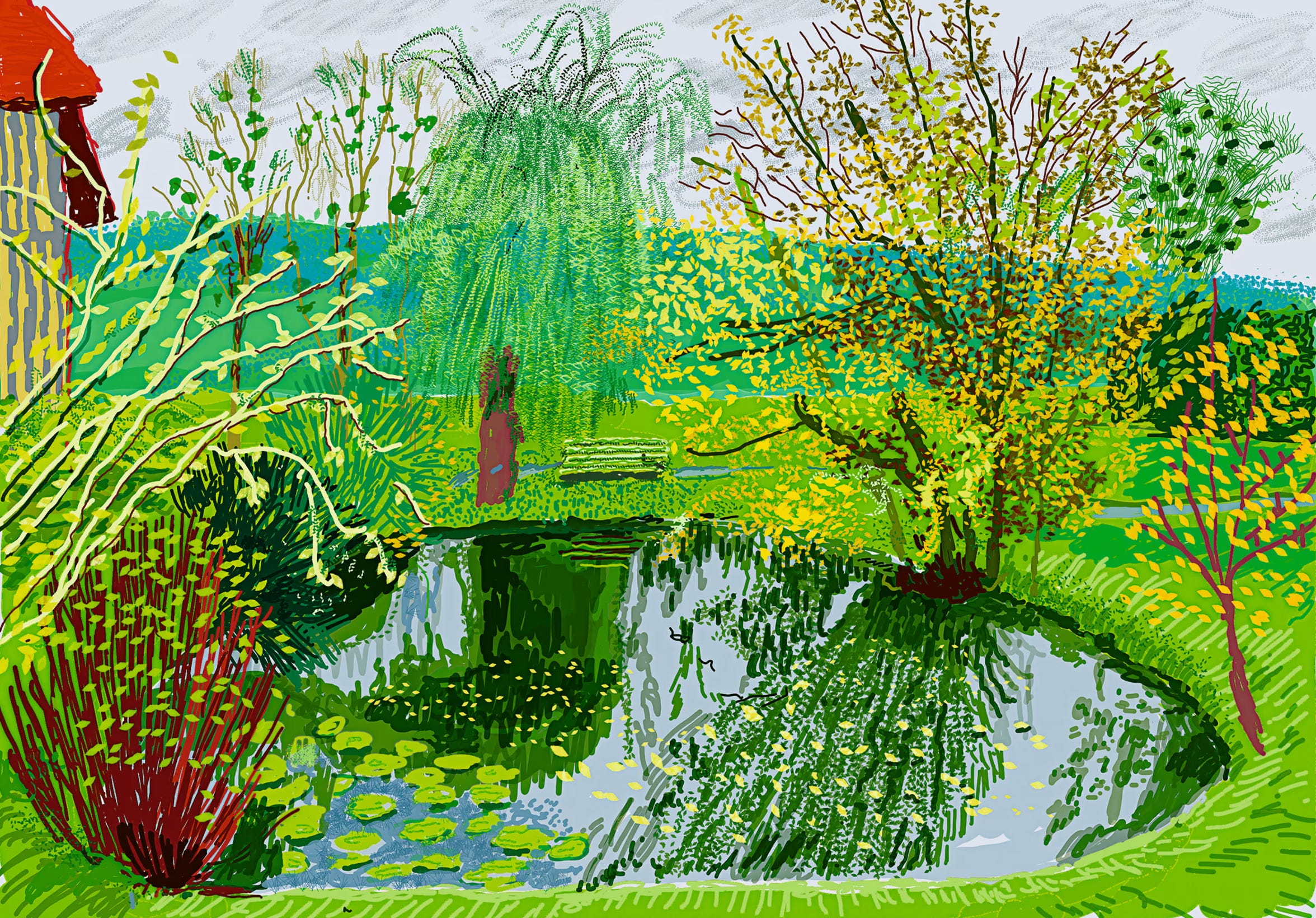
David Hockney has painted the arrival of spring in Yorkshire again and again. His trees turn electric green almost overnight, transforming what looked like charcoal sketches into something alive.
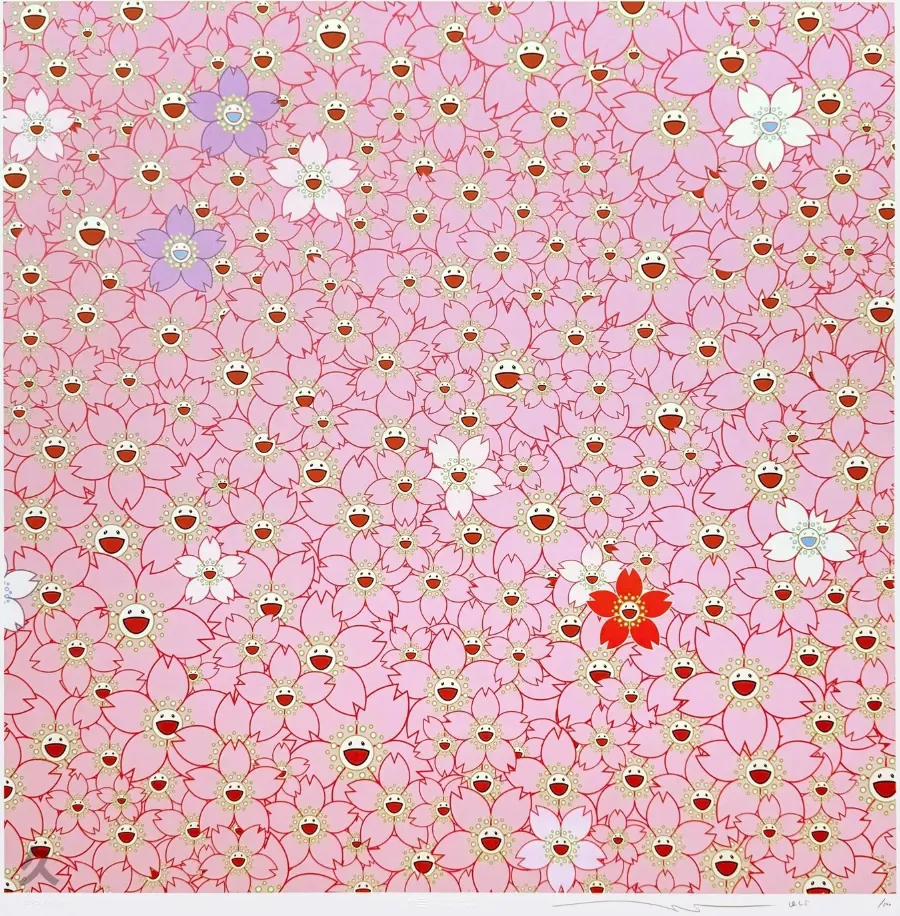
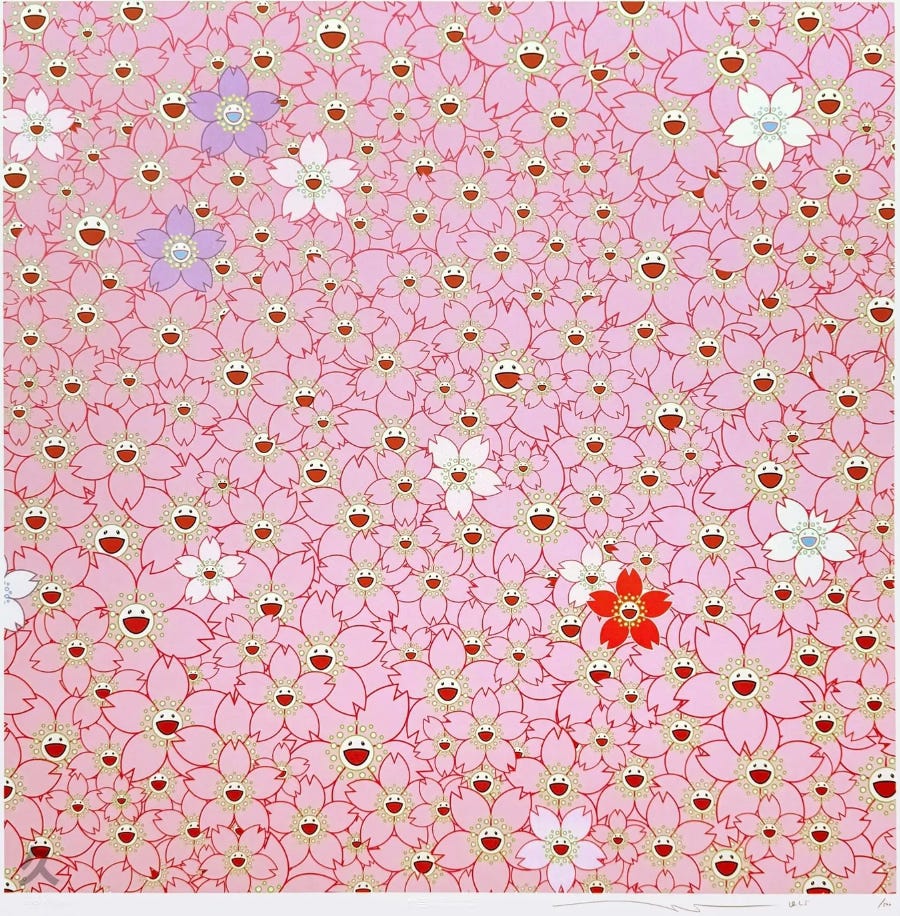
Takashi Murakami fills entire canvases with cherry blossoms multiplied to joyful extremes. Flowers everywhere. Color everywhere. Renewal turned into celebration.
And artist Rachel Hayes created a piece called Open Windows, large panels of colored textile suspended so sunlight pours through them. As the day moves, the light shifts and the colors change across the space. It’s less like looking at an artwork and more like standing inside a sunrise.
None of them paint winter.
They paint the return.
Confetti
What I love most about Limón’s poem is that it doesn’t end with a triumphant speech about resilience.
It ends simply.
The tree, having endured the seasons, seems to shrug and say:
“I’ll take it all.”
The blossoms.
The petals scattered across the pavement.
The confetti of aftermath.
Life in all its messy, beautiful, cyclical forms.
Final Thought
Maybe hope isn’t loud.
Maybe hope is simply the decision to keep believing in spring while everything still looks like February.
The trees seem to understand this instinctively. They stand there all winter long looking completely unconcerned.
And then one morning the blossoms arrive.
Not because winter failed.
Because the roots never stopped working.
And suddenly it’s March 9th, it’s 68 degrees in New York City, and the entire city walks outside like something wonderful might be about to happen.
Maybe it already has.
💌Elle
P.S.
Have you had your first suspiciously optimistic spring moment yet? A crocus pushing through the dirt, a man on the sidewalk wearing short shorts way too early, or the sudden urge to rearrange your life now that the light is back? Tell me! I’d love to know.



.svg)


.svg)




















.webp)
.webp)

.webp)
.webp)
.webp)





-min.webp)