
Neuroinclusive Design
I was hanging out with my favorite architect, Ryn Burns, this weekend.
He’s a principal at Dwell Studios in DC, and one of those people who is constantly in motion, traveling, learning, taking in new ideas.
He was telling us about a conference he had just attended in Philadelphia.
The International Neurodivergence and the Built Environment.
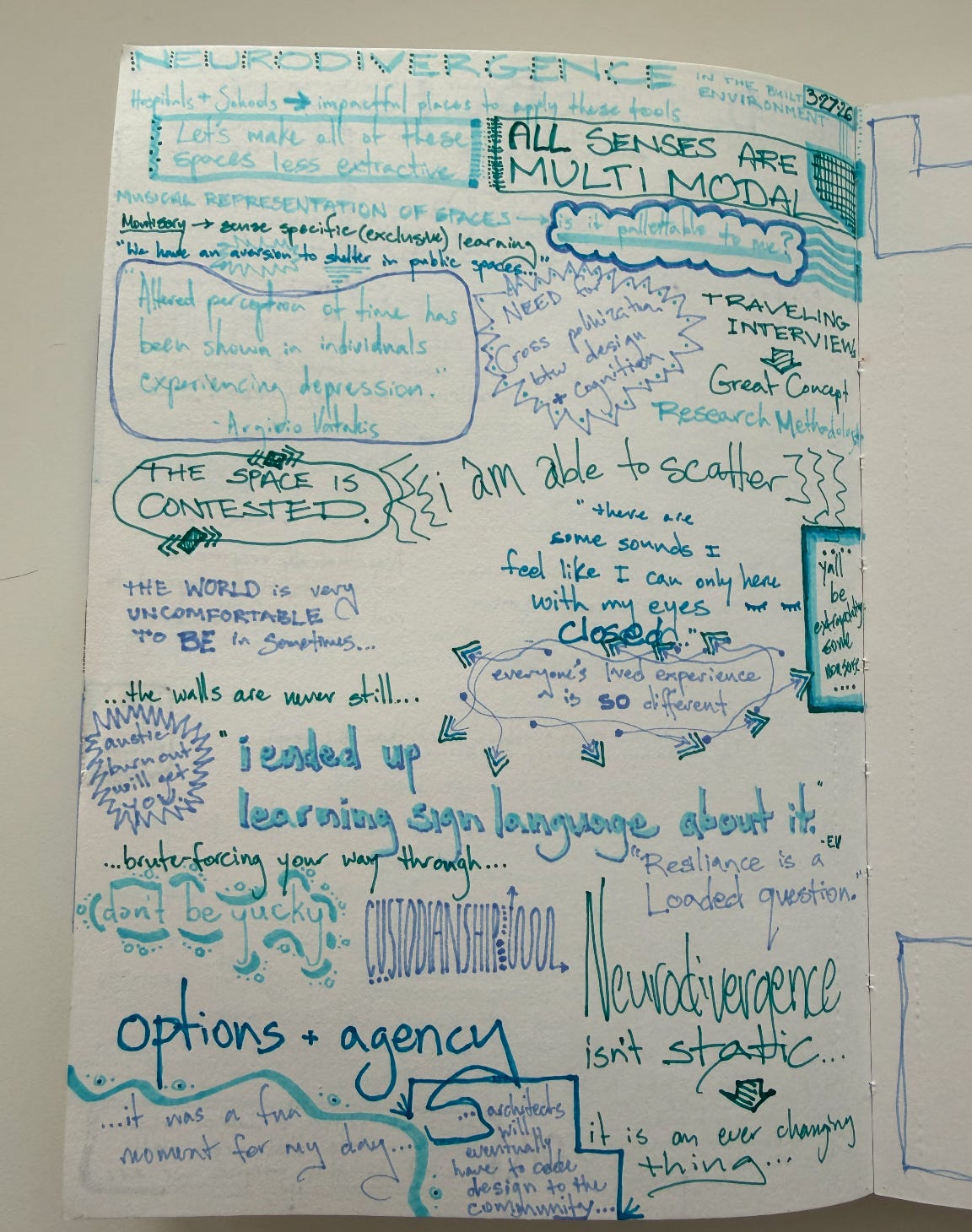
And at one point, someone asked him what intrigued him about designing for the neurodivergent.
He said something that immediately stuck with me.
“When you design well for the least served population, you end up designing well for everyone. And the least served populations are also the ones that can most benefit from design.”
That idea has been sitting with me.
Because for a long time, the built environment has been designed almost exclusively for neurotypical patterns of thinking and processing.
And yet, neurodivergence isn’t niche. It’s a spectrum of how people experience the world.
So I started looking into what actually helps.
What the Research Actually Says
A lot of it comes down to the senses.

Because the way we process a space is deeply tied to light, sound, texture, and layout.
And for many neurodivergent people, overstimulation isn’t just uncomfortable, it can trigger anxiety, stress, or even physical responses.
So the goal isn’t just beauty.
It’s regulation.
What That Looks Like in Design
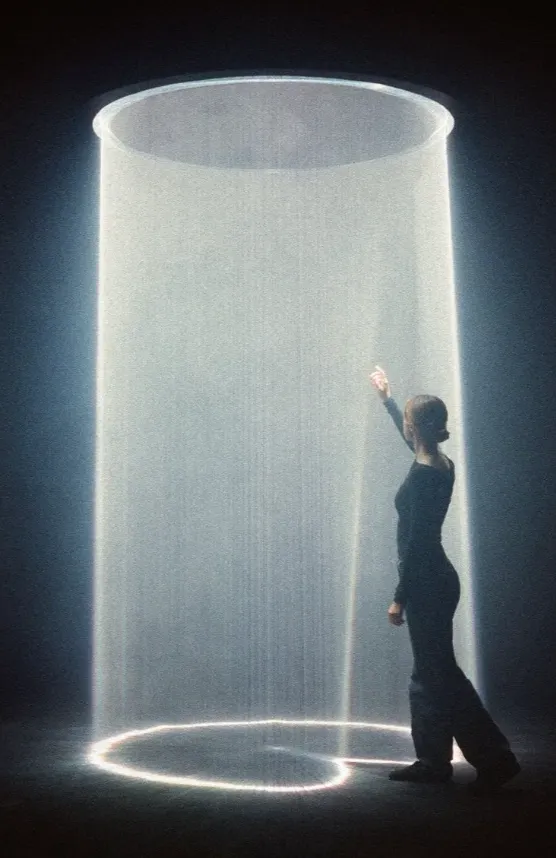
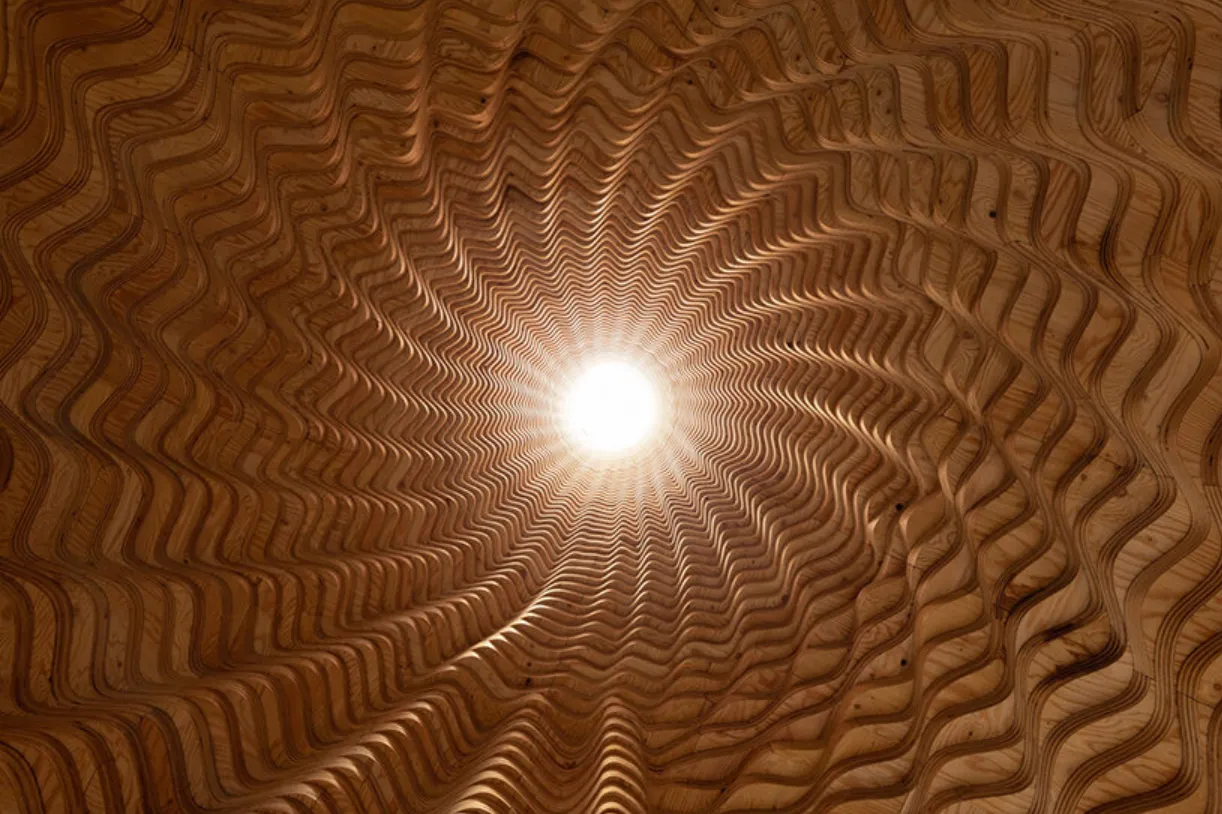
Lighting that can be controlled, not dictated
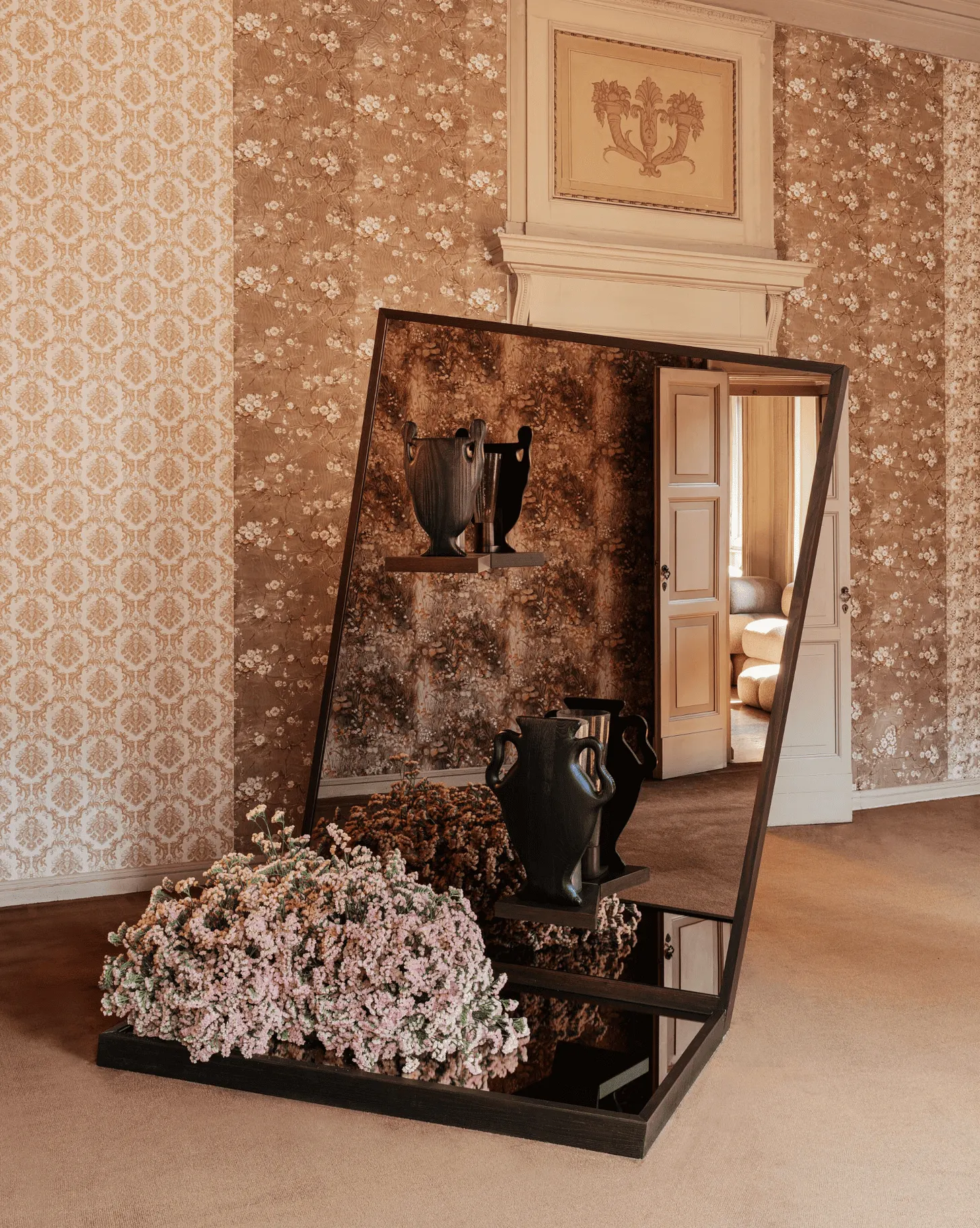
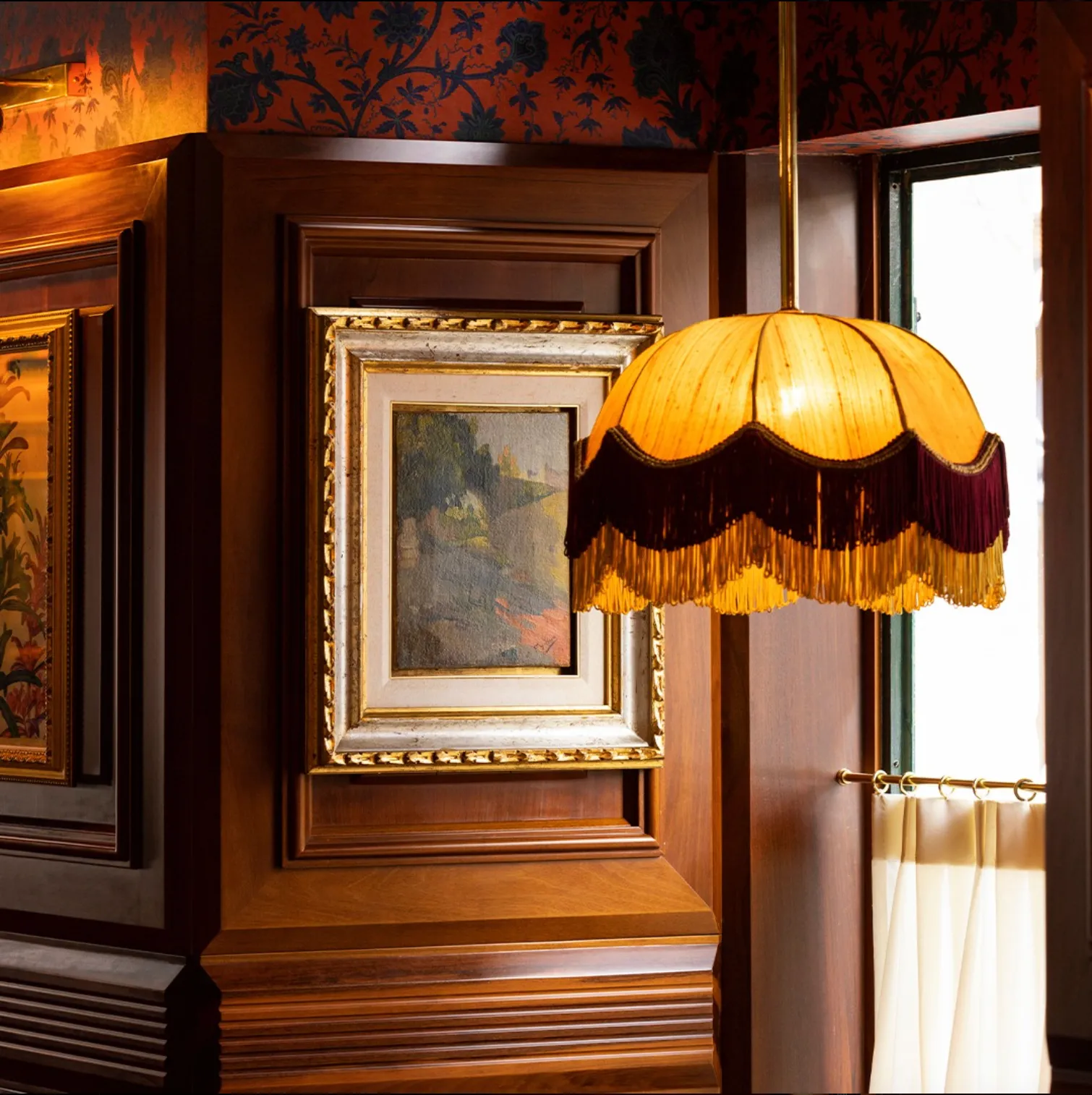
Harsh, uniform lighting can be overwhelming. Warmer, layered lighting that can shift throughout the day supports both focus and calm.
Acoustics that absorb instead of amplify
Sound is one of the biggest stressors. Materials that soften noise, like textiles, carpets, and acoustic panels, can dramatically reduce overwhelm.
Clear spatial organization and wayfinding
Simple layouts, visual cues, and a sense of order help reduce cognitive load and make spaces easier to navigate.

Zones for different states
Not every space should ask the same thing of you.
Places to focus.
Places to retreat.
Places to decompress.
Design that allows for shifting needs, not a single fixed mode.
Reduced sensory clutter, but not emptiness
It’s not about stripping a space down to nothing. It’s about being intentional. Too much visual complexity can overwhelm, but too little can understimulate.

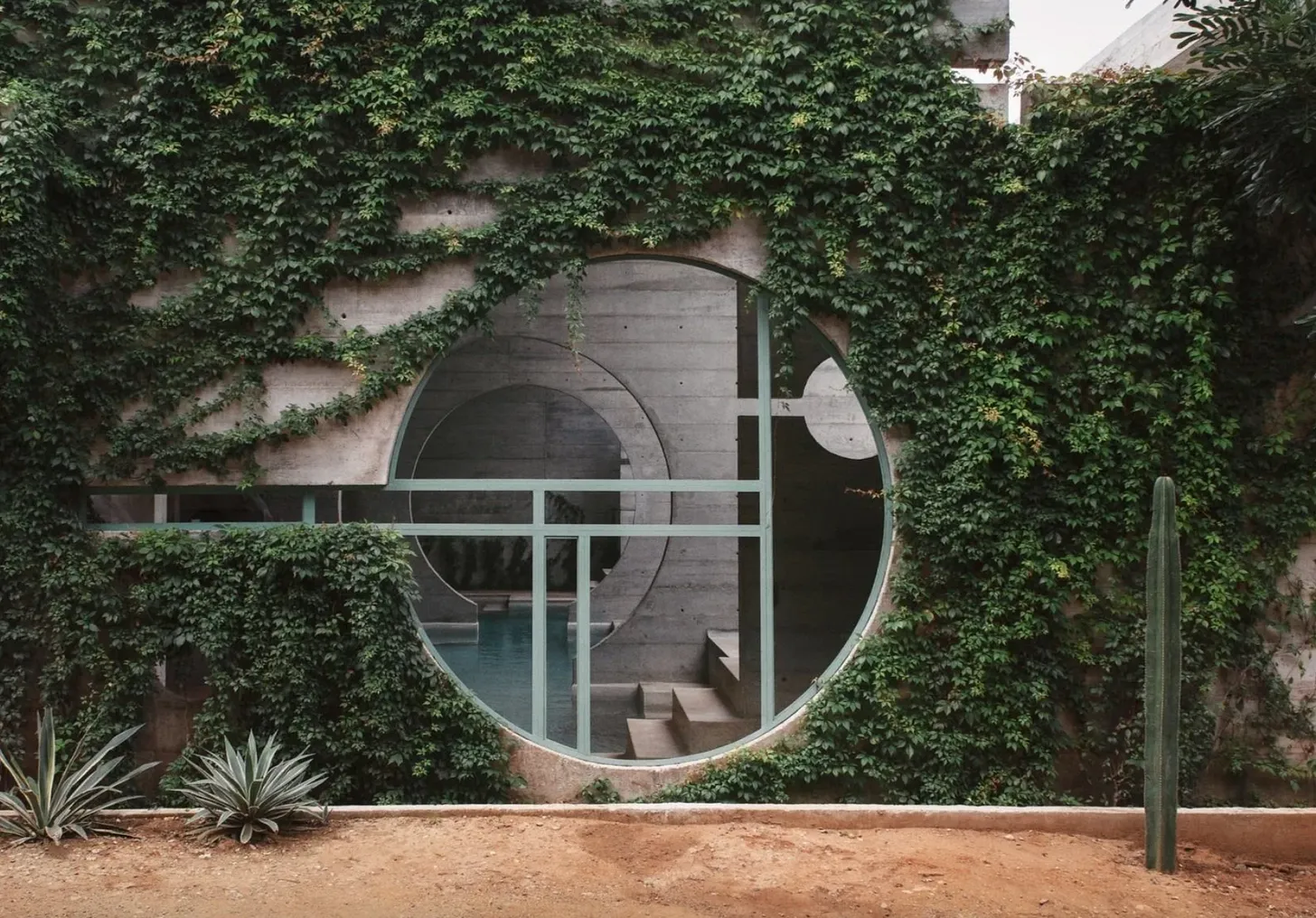
Tactile and natural elements
Textures, materials, and biophilic elements can ground the body and support emotional regulation.
The Bigger Shift
There’s actually now formal guidance emerging around this.
Standards like PAS 6463 are beginning to give designers frameworks for lighting, acoustics, layout, and sensory experience specifically for neurodiverse populations.

Which feels long overdue.
What It Really Means
The more I think about what Ryn said, the more it reframes everything.
Designing for the “least served” isn’t about niche accommodations.
It’s about designing with a deeper awareness of how people actually experience space.
Because the same things that help someone who is highly sensitive to light or sound…
also make a space feel calmer, clearer, and more human for everyone else.
Final Thought
If a space can support someone at their most sensitive,
it will likely feel good at your most average.
And that feels like a much higher bar for design.
💌Elle
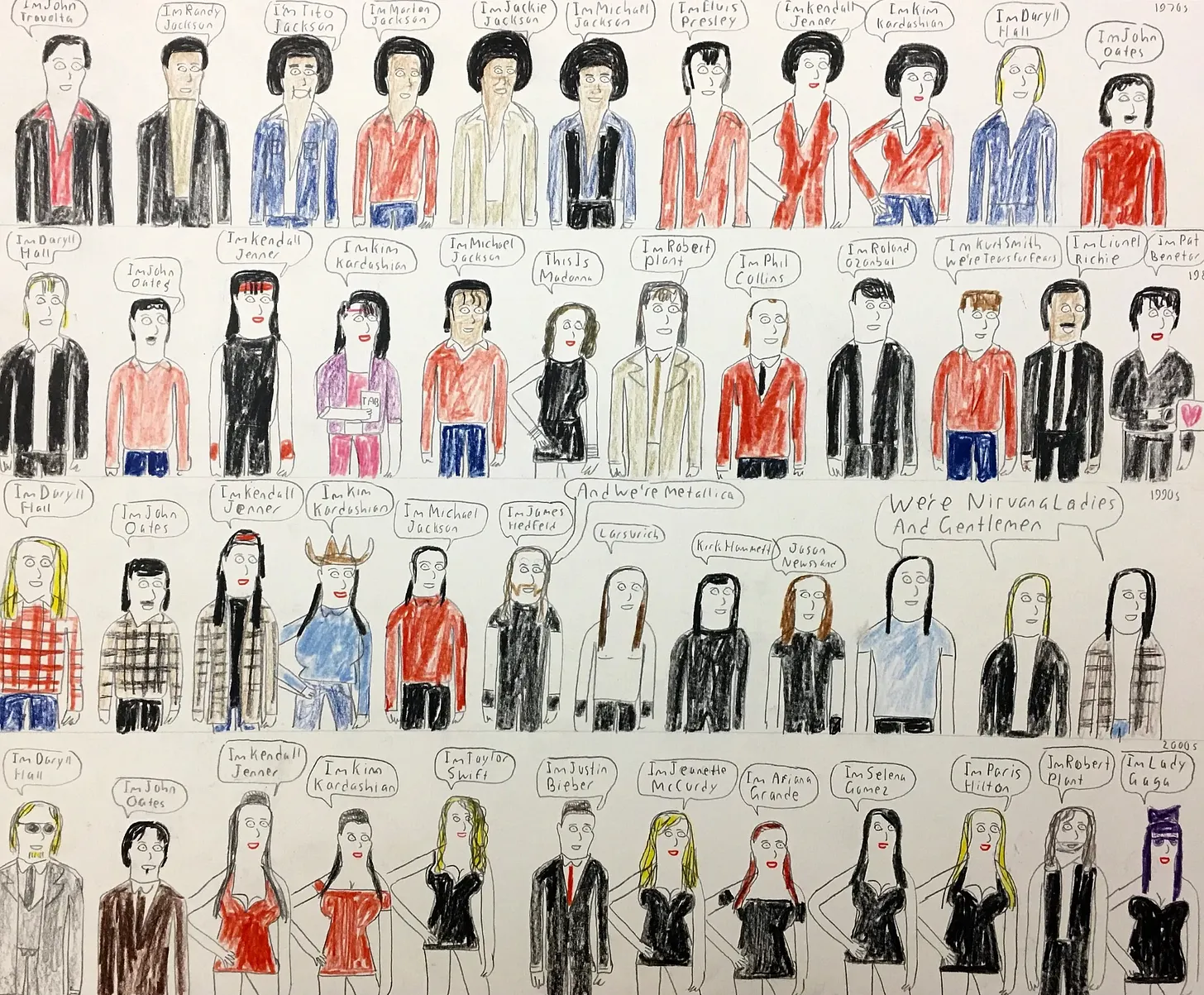
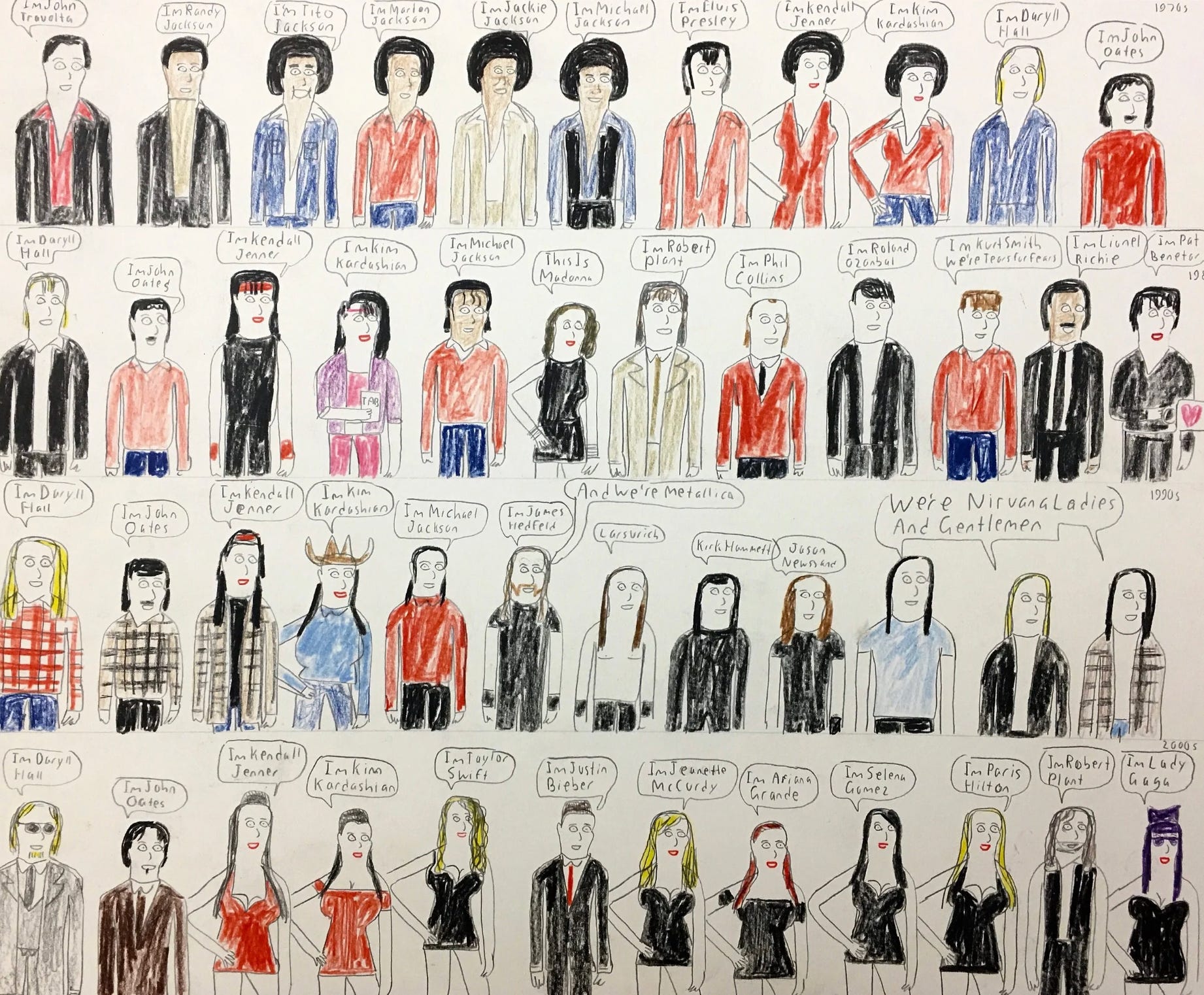
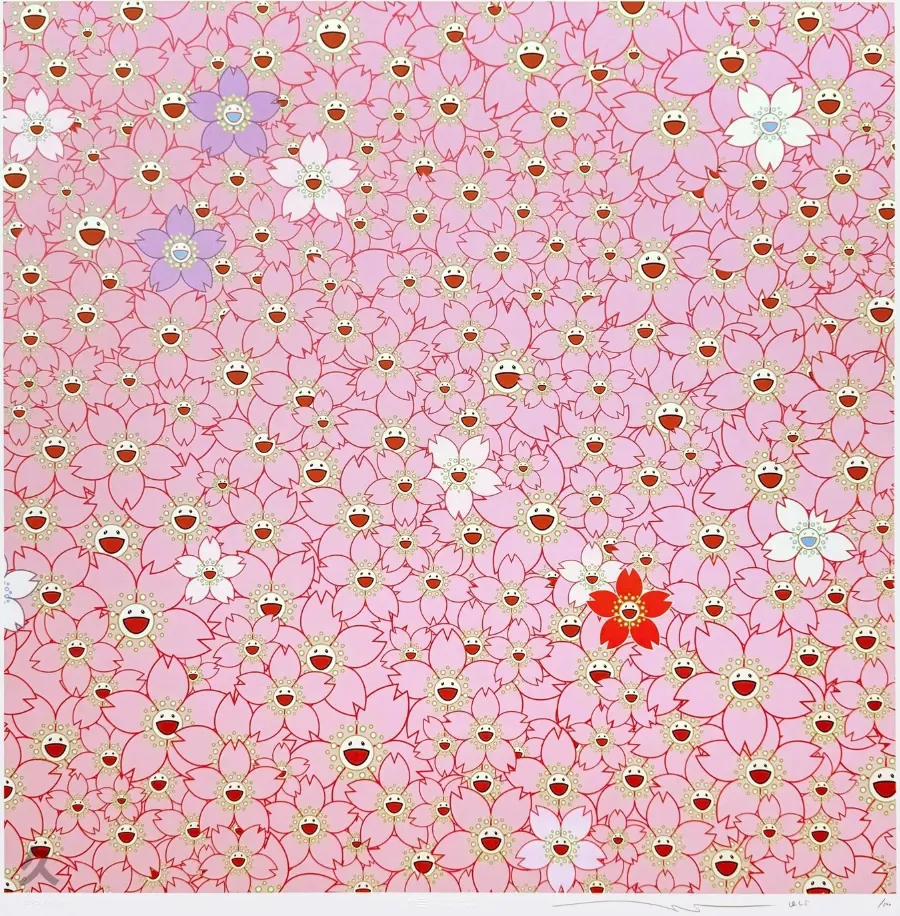
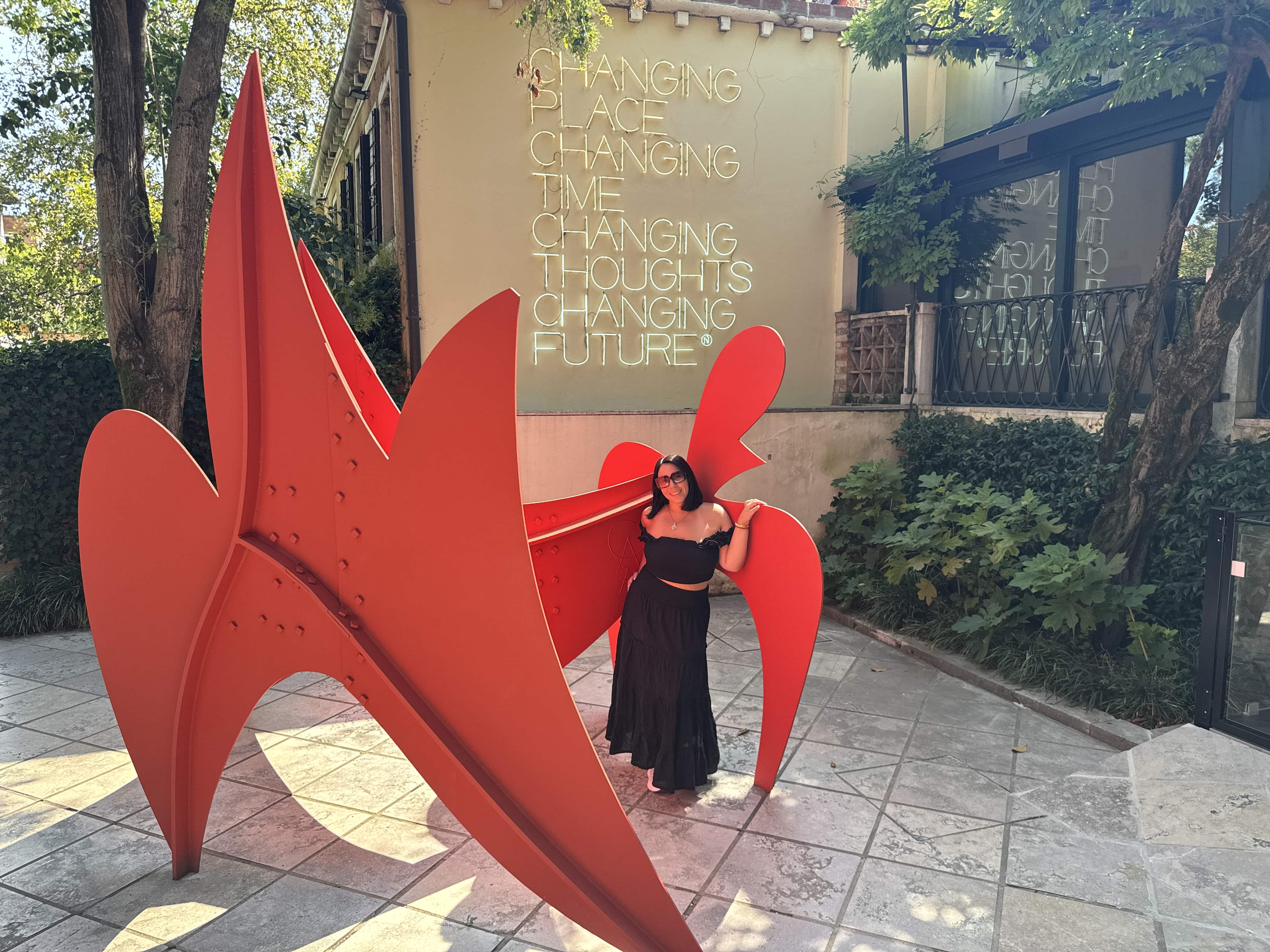
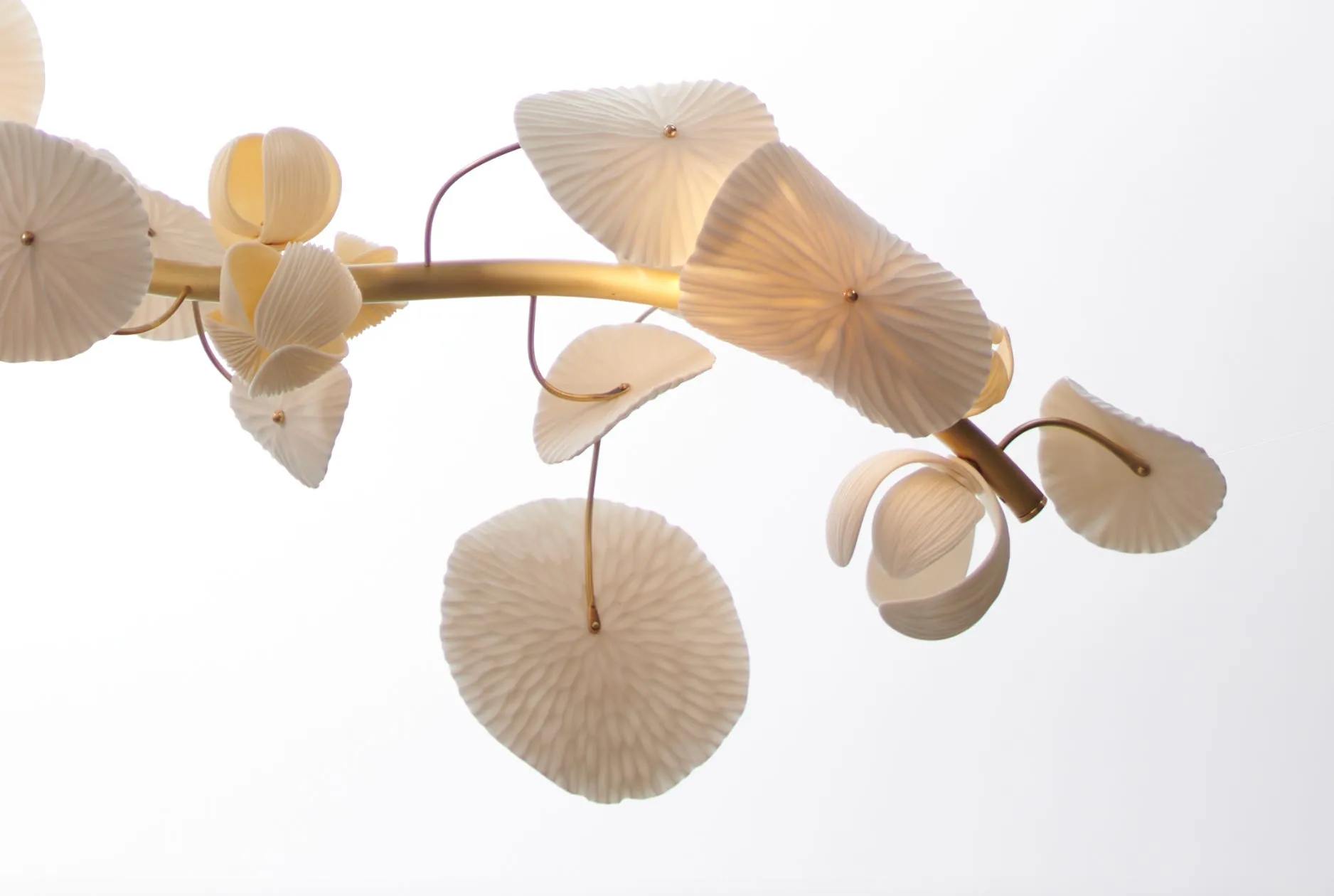
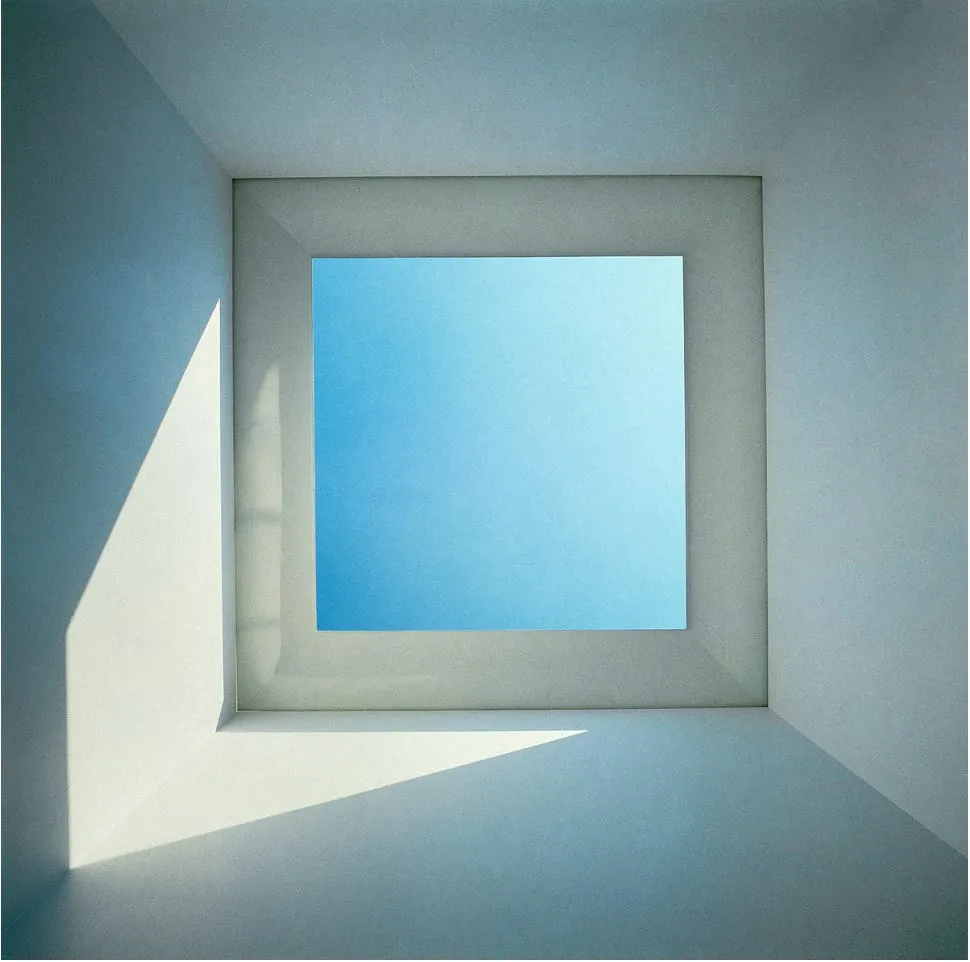
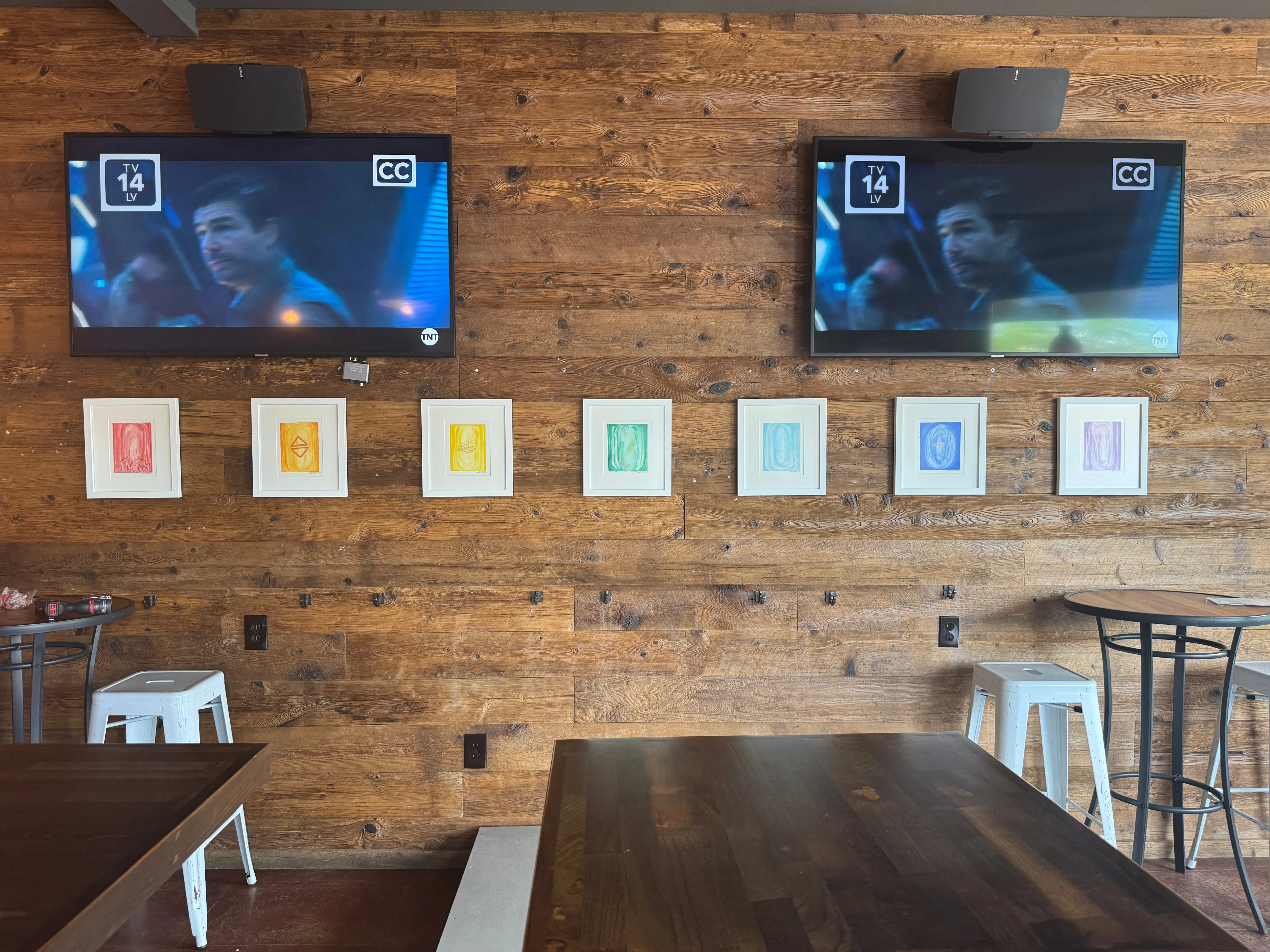
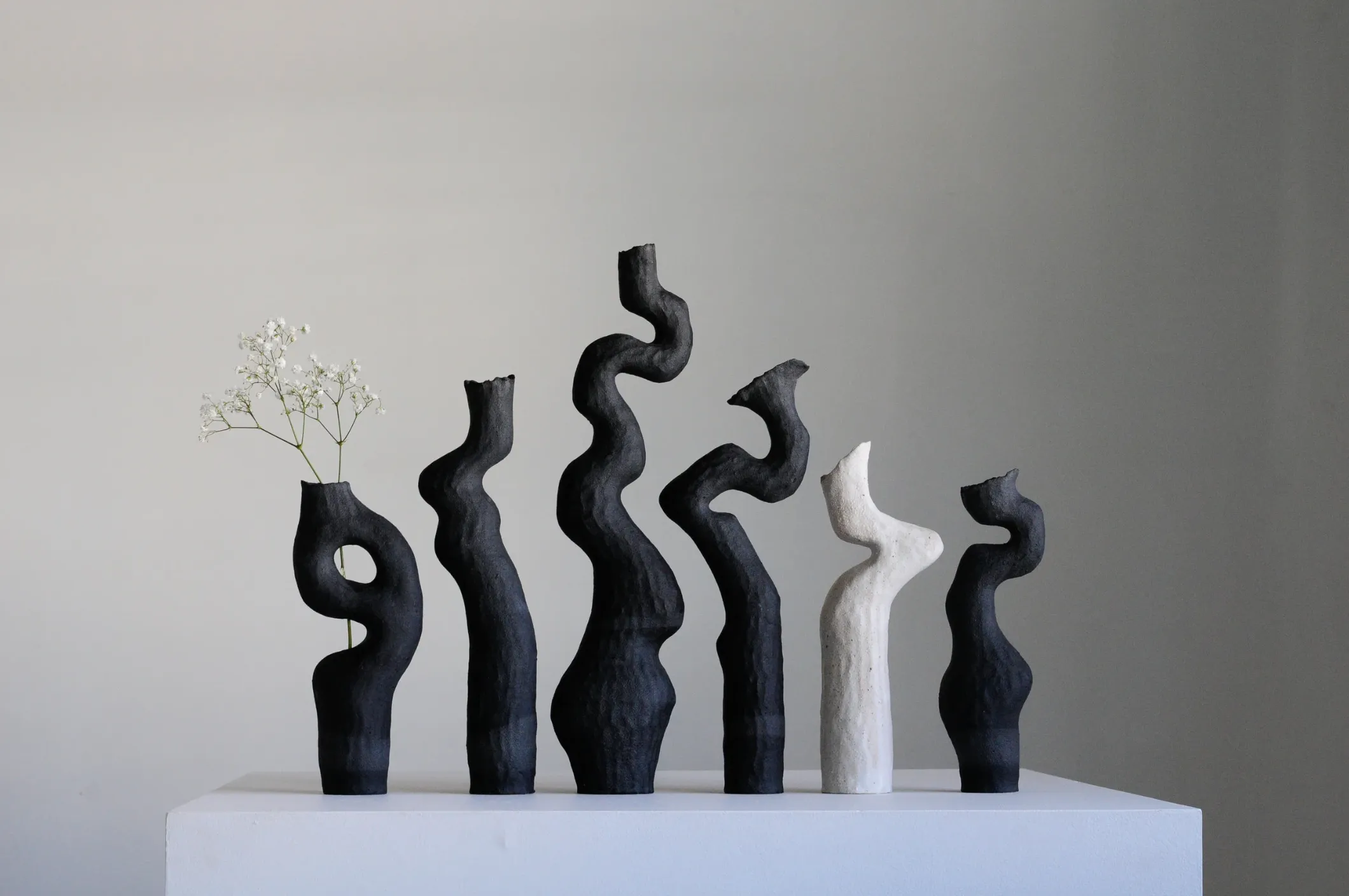
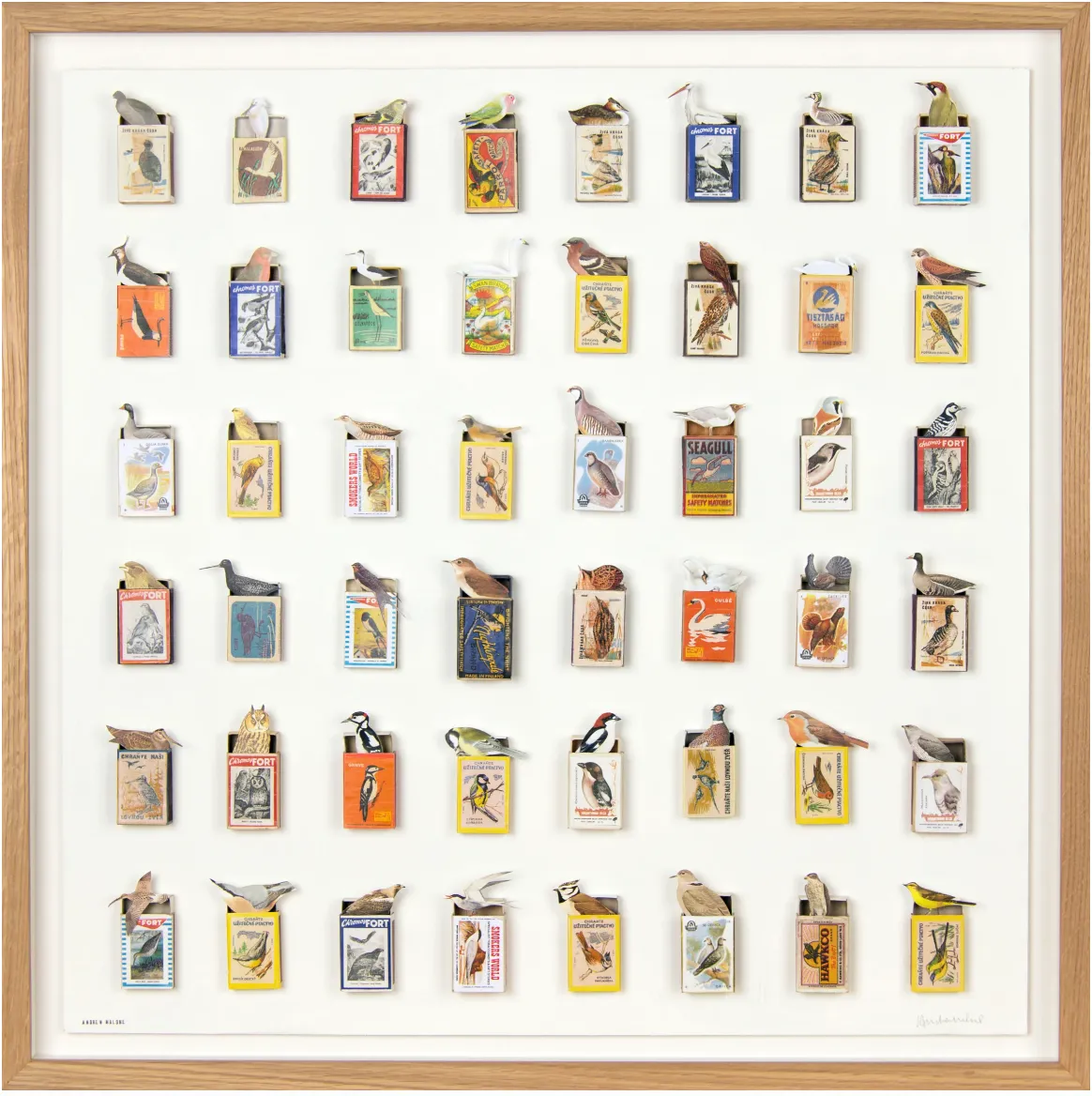
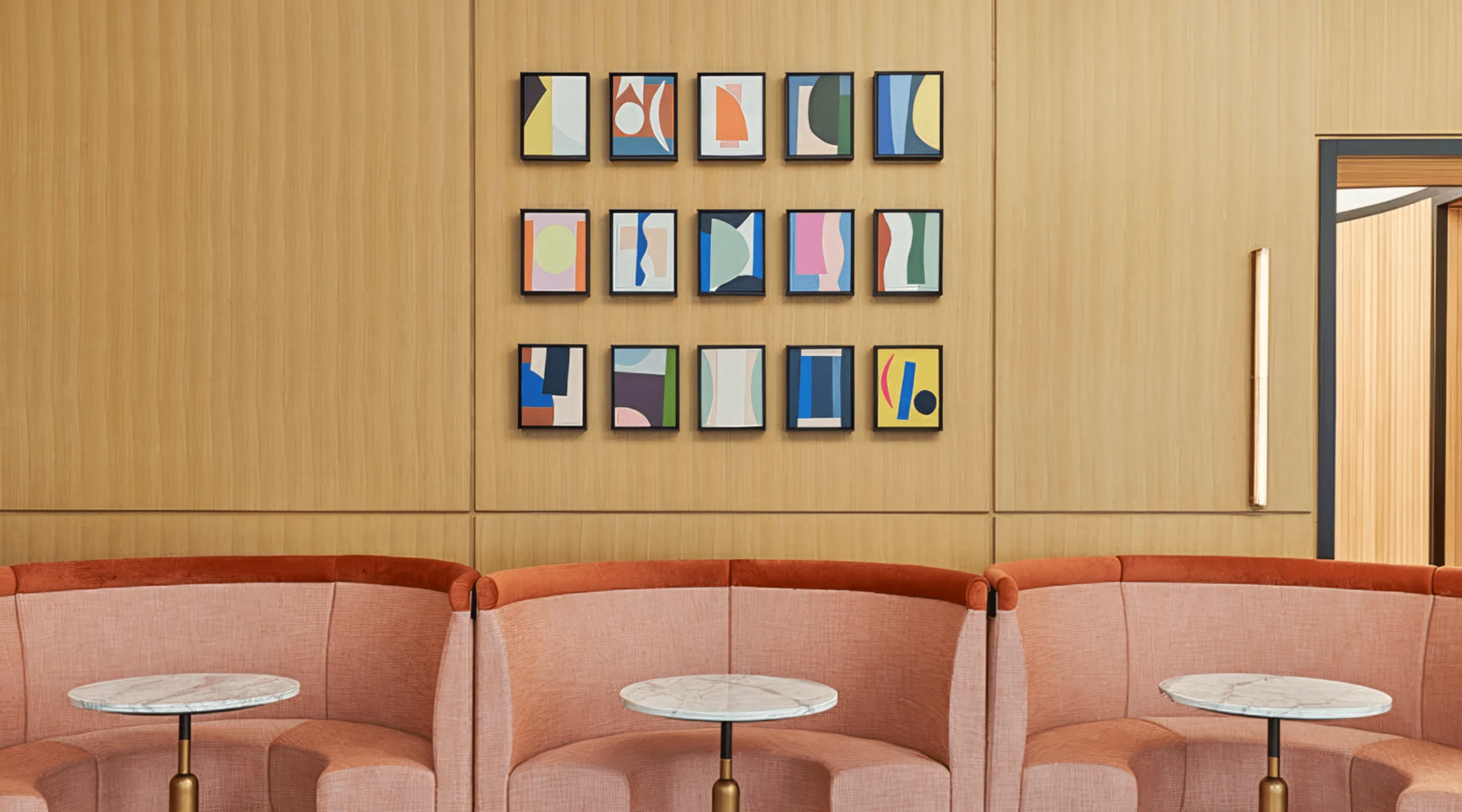
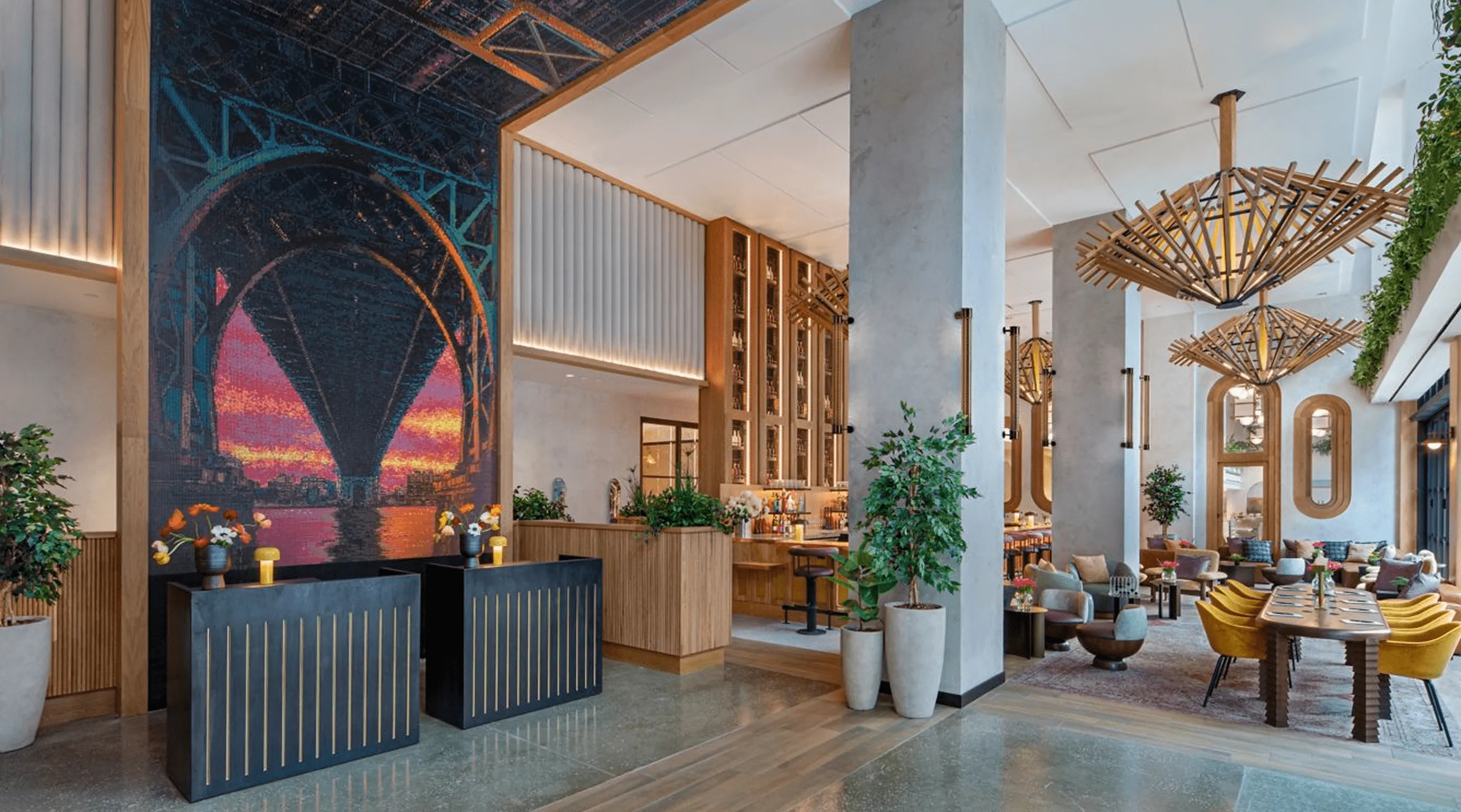
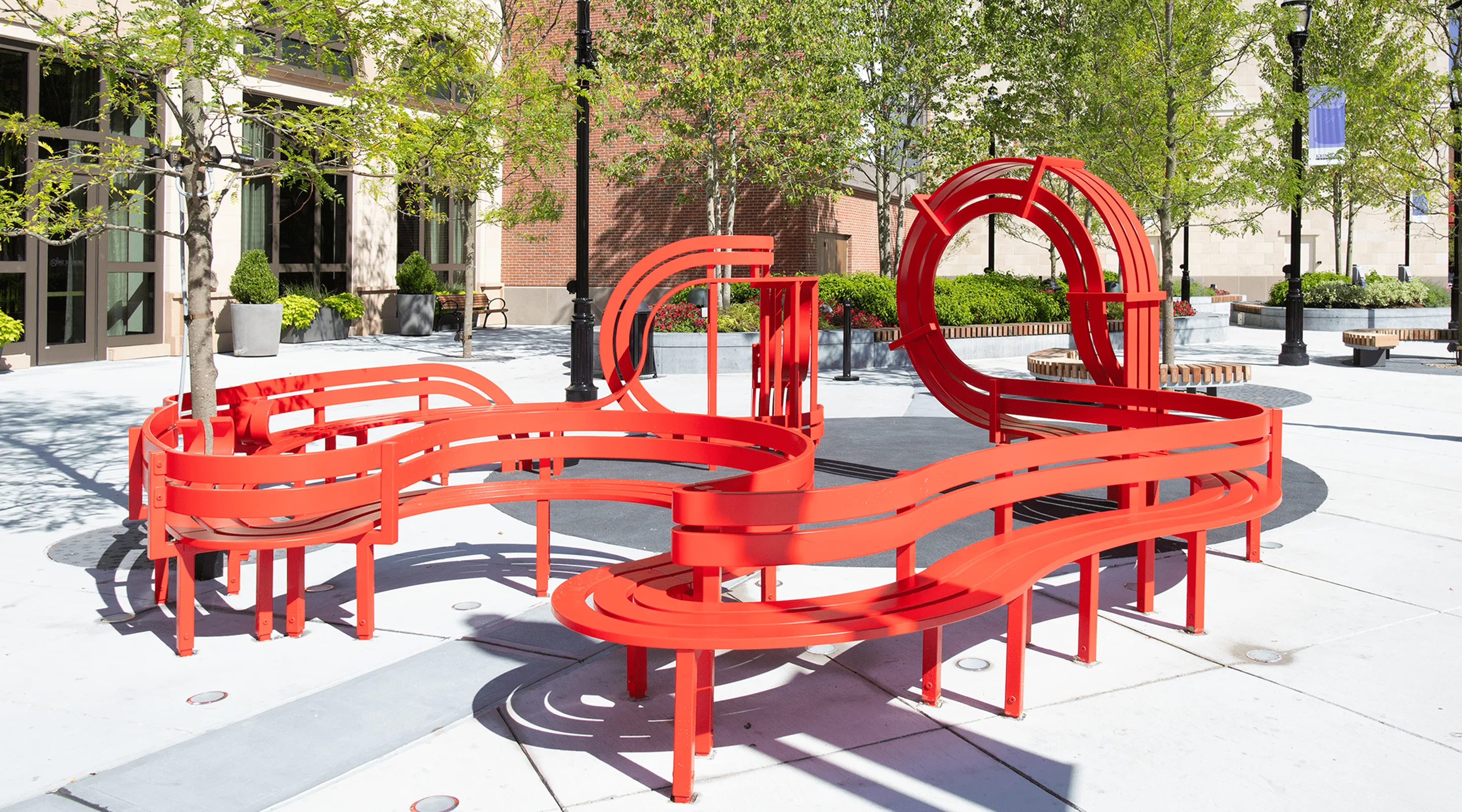
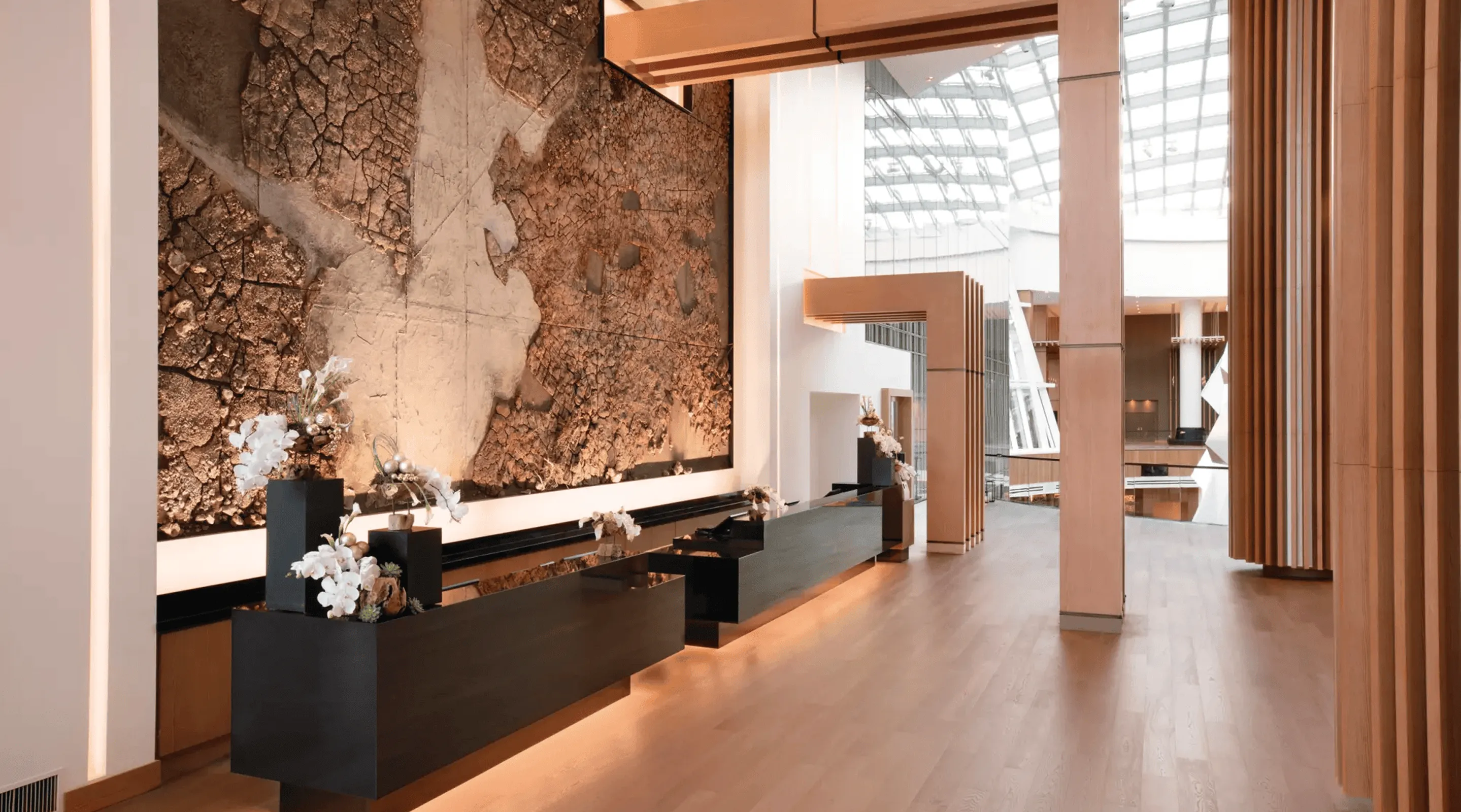
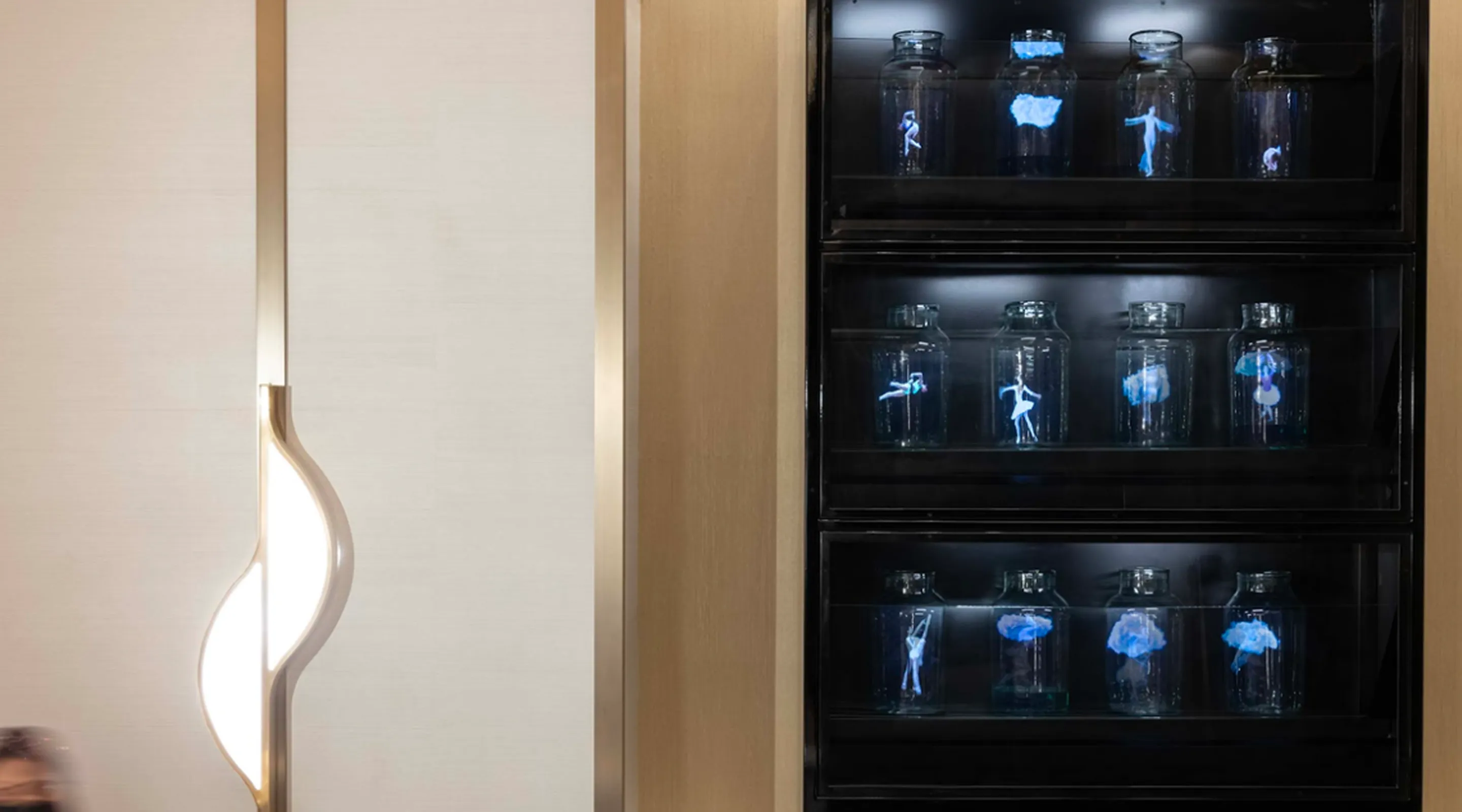
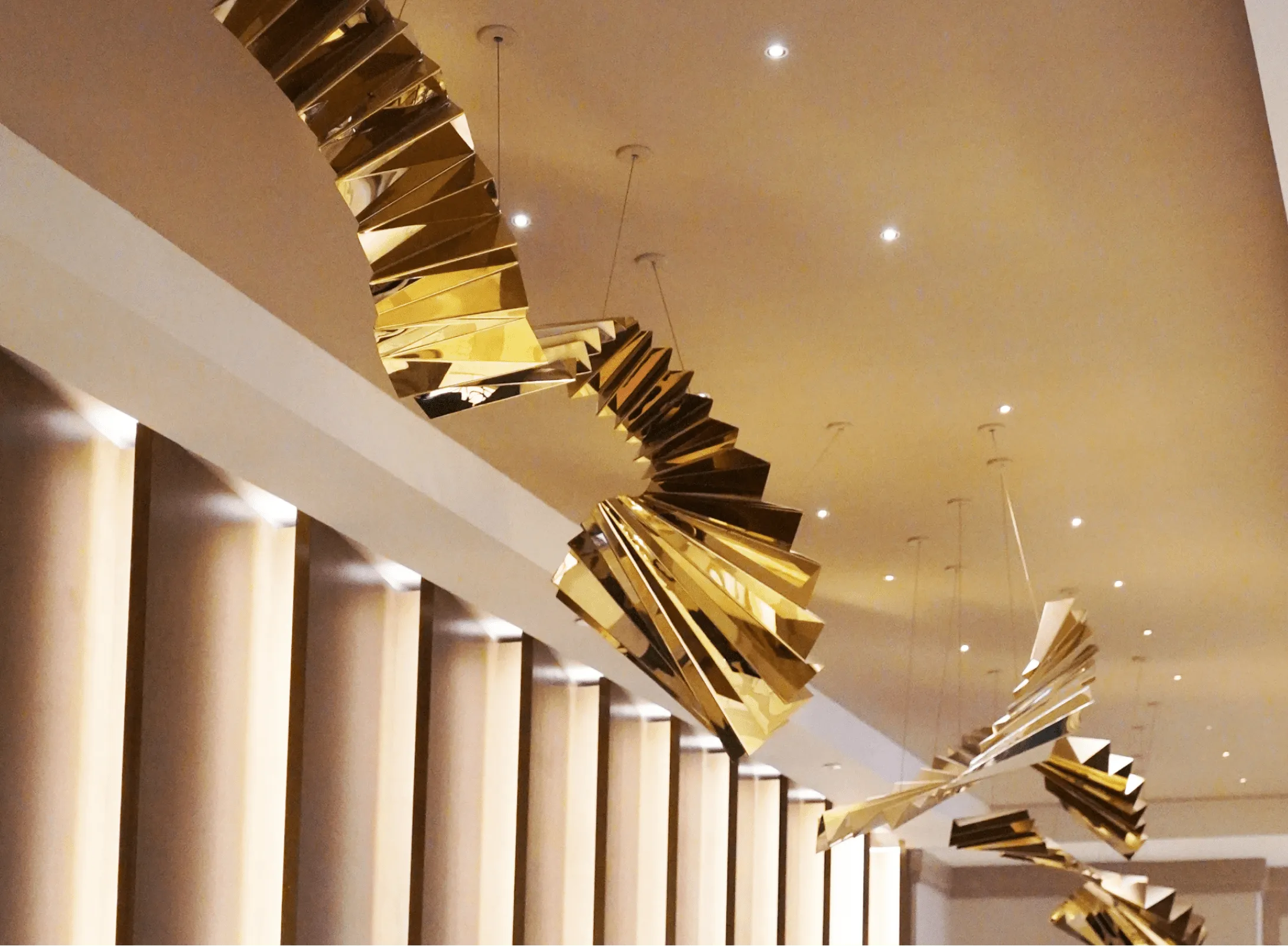
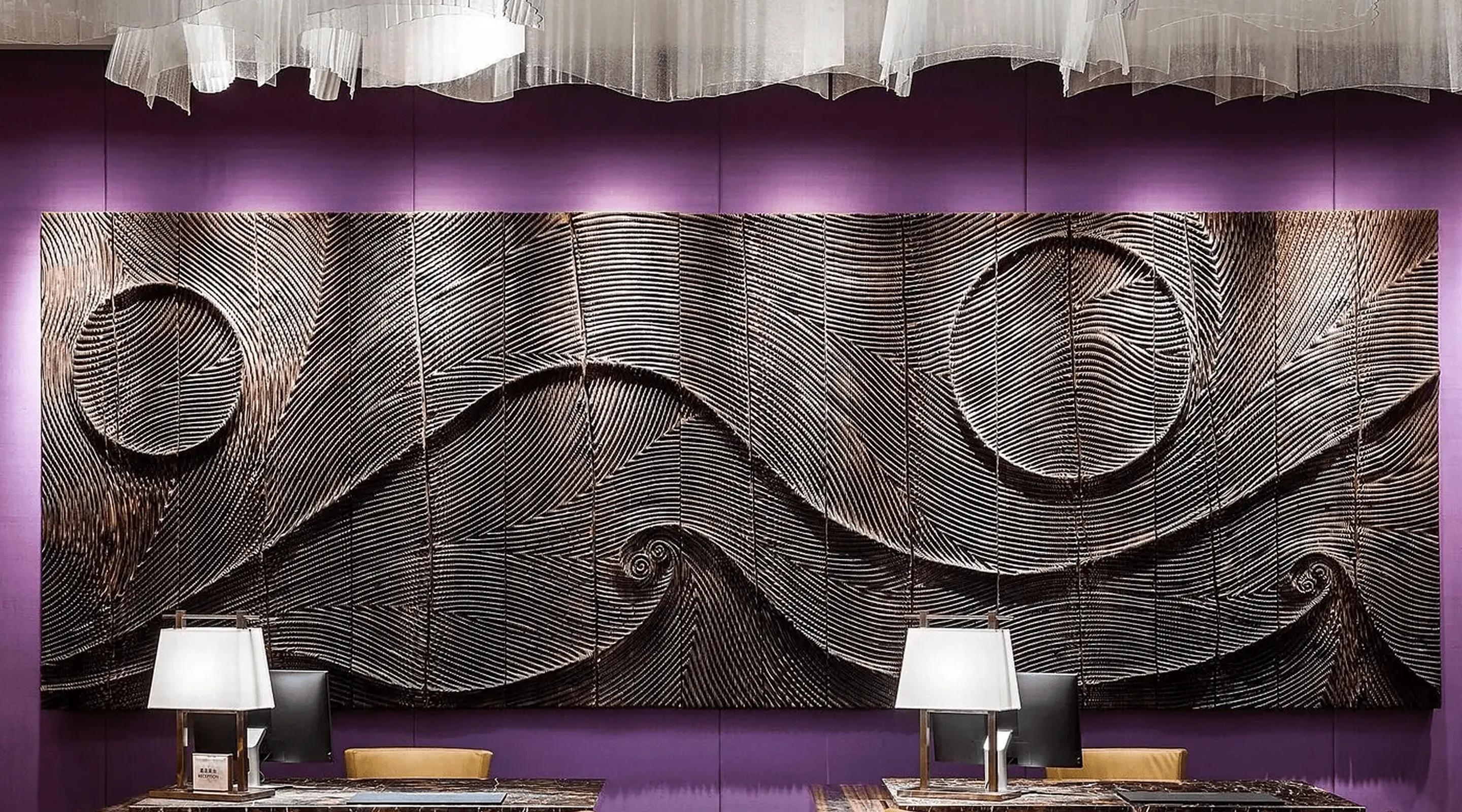
P.S. all the artwork that you see in this article is from one of my favorite galleries in Brooklyn called LAND Studio & Gallery. They serve as both a studio and gallery for adults with developmental disabilities.




.svg)




.svg)




























.webp)
.webp)
.webp)
.webp)
.webp)
-min.webp)